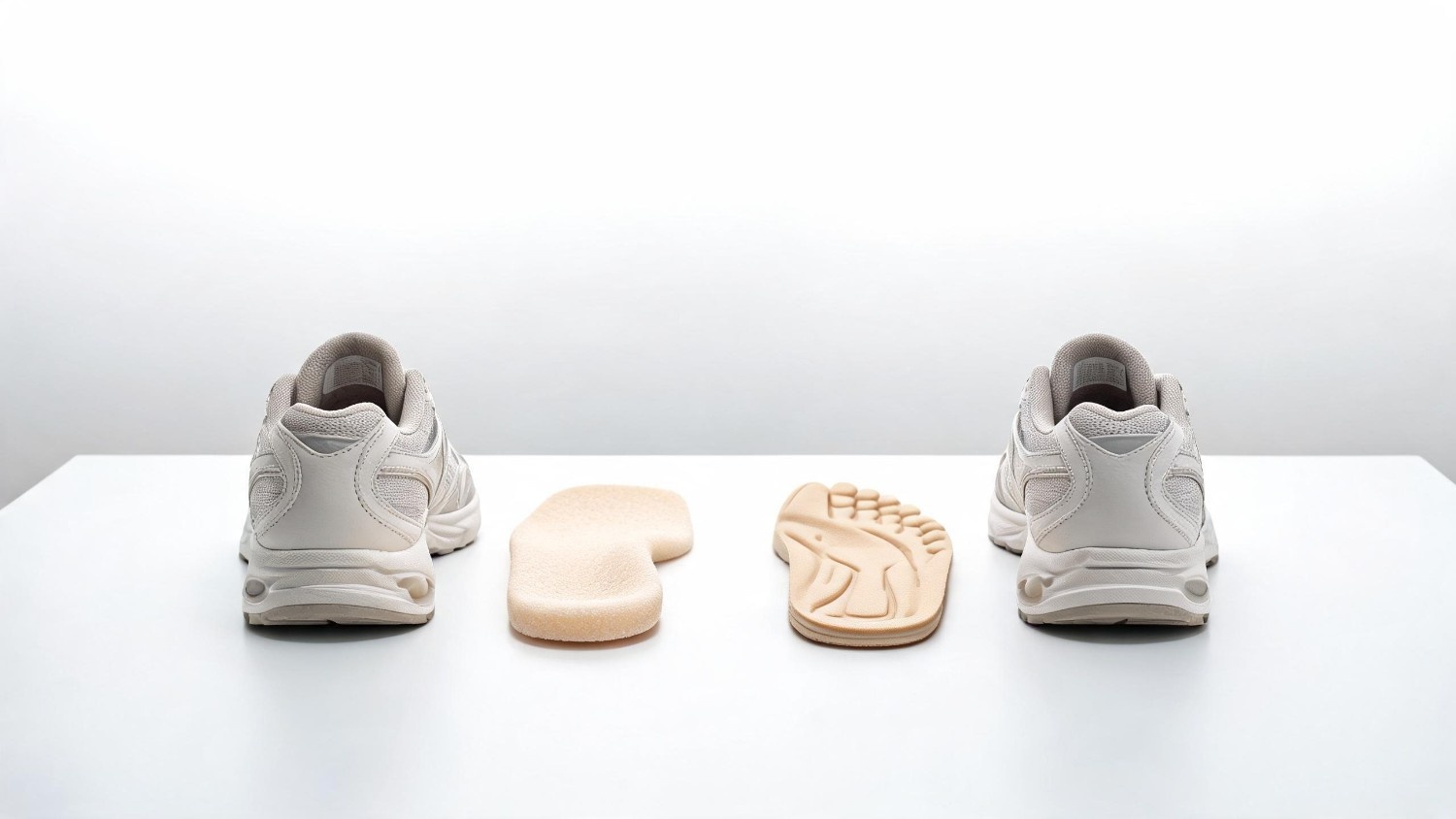
EVA vs PU Insoles: Which Material Lasts Longer?
Many people shopping for insoles focus on arch support, cushioning, or comfort but overlook one of the biggest factors affecting long-term performance: the material itself. Two of the most common insole materials are EVA and PU, yet many buyers are unsure how they differ or which one offers better durability.
The confusion is understandable because both materials are used in supportive insoles, work footwear, athletic shoes, and comfort-focused designs. They can sometimes look similar at first glance, but they behave very differently under daily pressure.
In simple terms, EVA focuses on lightweight cushioning and flexibility, while PU focuses on durability and long-term shape retention. Neither is automatically better for everyone, but understanding their strengths makes it easier to choose the right option for your daily routine.
What Is EVA?
EVA stands for Ethylene Vinyl Acetate.
For memory foam specifically, see our best memory foam insoles.
It is one of the most commonly used foam materials in footwear because it is:
- lightweight
- flexible
- relatively inexpensive
- comfortable underfoot
EVA compresses when pressure is applied and rebounds when weight is removed. This gives it a soft, cushioned feel that many people enjoy during walking and everyday use.
Because it weighs very little, EVA is commonly found in:
- athletic shoes
- running footwear
- casual insoles
- lightweight support inserts
Many comfort-focused insoles use EVA because it provides noticeable cushioning without adding significant weight to the shoe.
What Is PU?
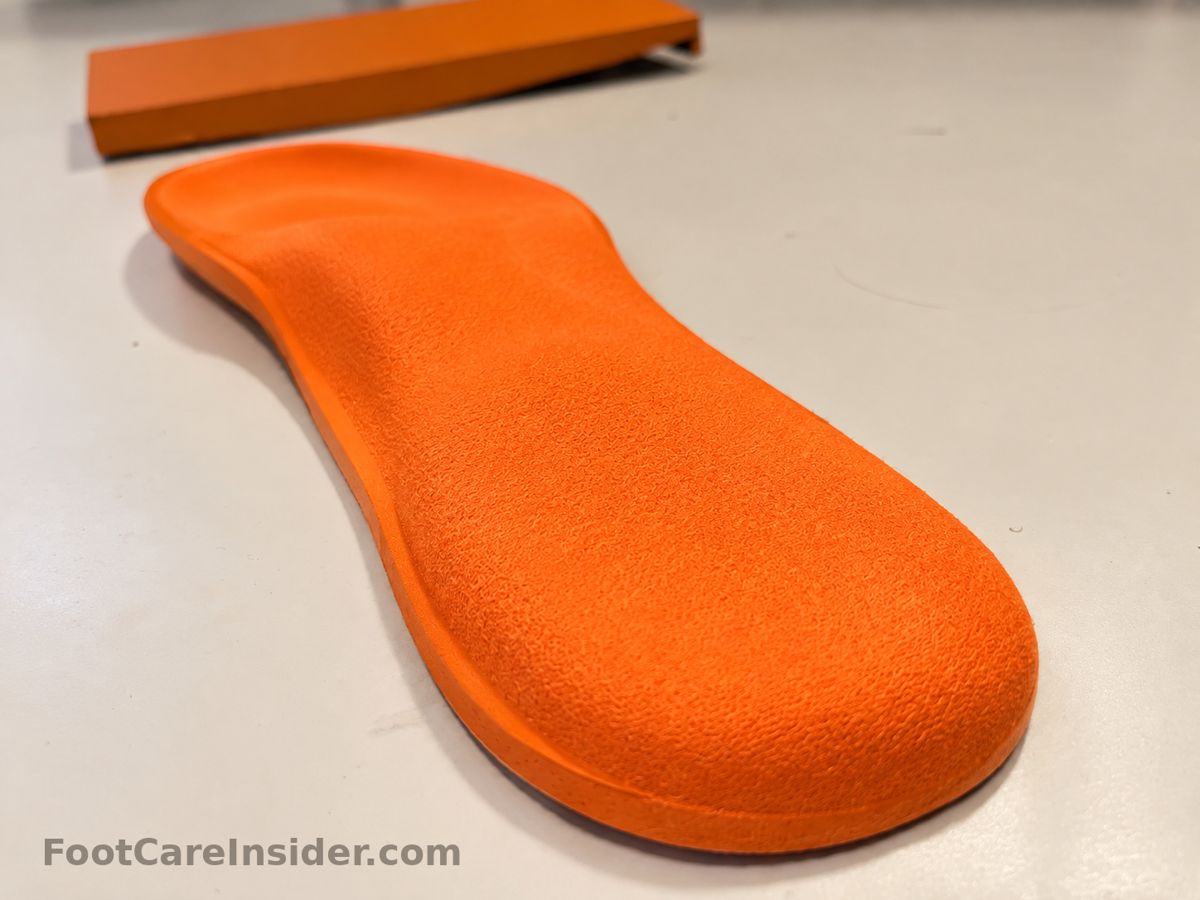
PU stands for Polyurethane.
Unlike EVA, PU is generally denser and more resistant to compression over time.
PU insoles are often designed for:
- prolonged standing
- work environments
- supportive footwear
- heavy daily use
The material tends to maintain its structure longer under repeated loading.
Rather than prioritizing softness alone, PU focuses more on:
- durability
- support consistency
- compression resistance
- long-term performance
People comparing support-focused materials often explore cushioning vs stability insoles when trying to understand why some insoles feel softer while others maintain their shape for longer periods.
Structural Differences
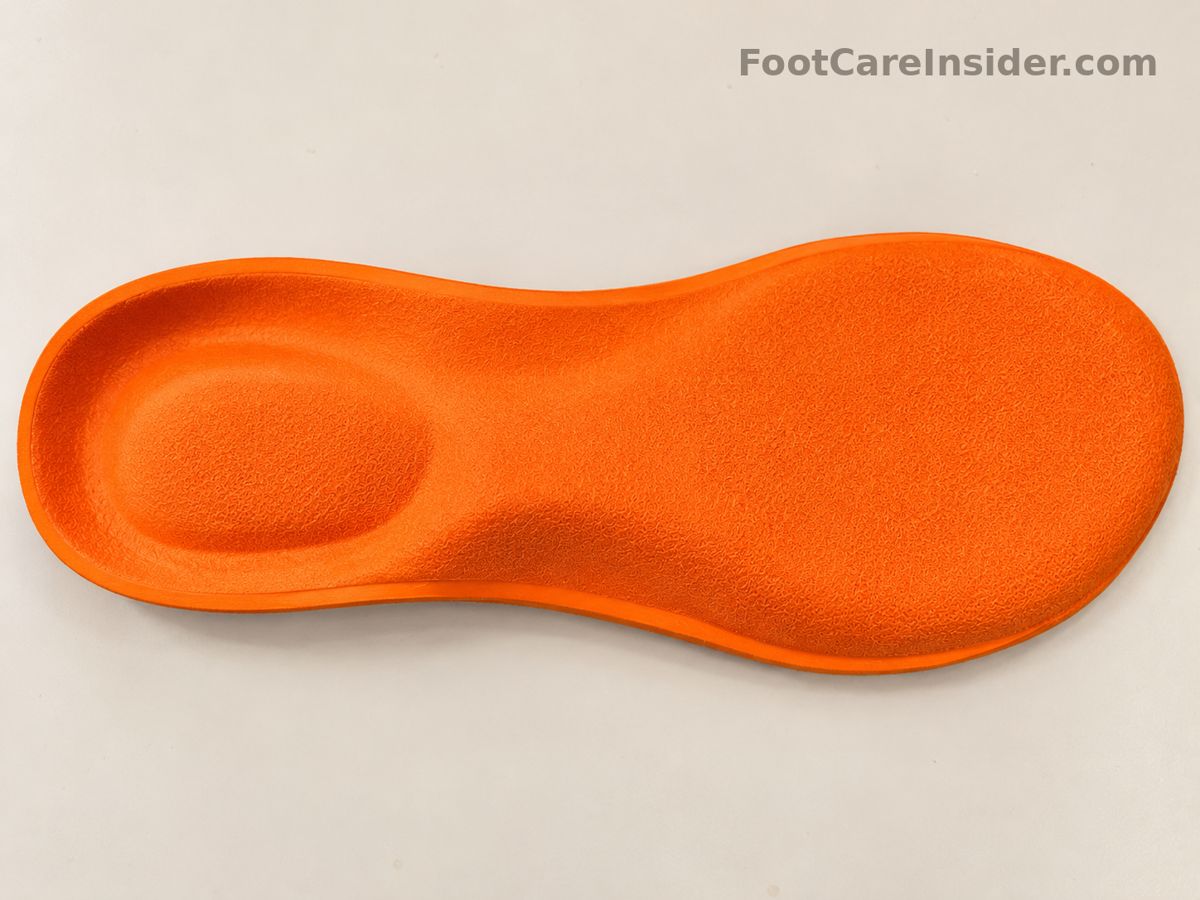
The biggest structural difference is how the materials respond to repeated pressure.
EVA compresses more easily.
That softer response creates:
- immediate comfort
- shock absorption
- reduced ground feel
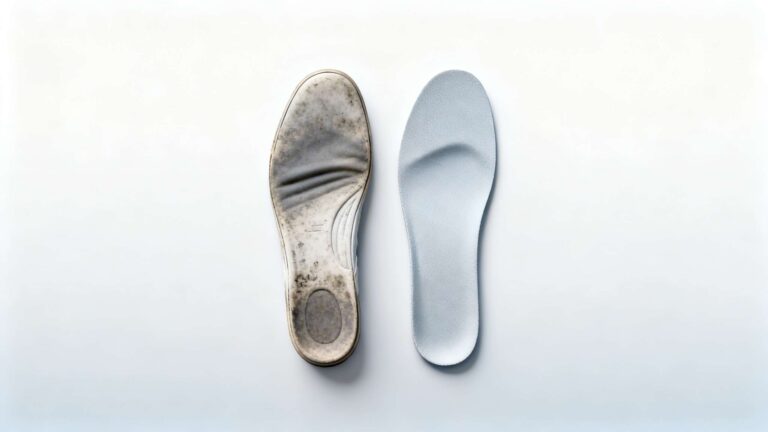
However, repeated compression gradually causes the material to lose some of its original thickness and resilience.
PU is denser.
Because of this, it:
- compresses less
- rebounds more consistently
- maintains support longer
The tradeoff is that PU often feels firmer than EVA during the first few wears.
Some people prefer that extra structure, while others prioritize the softer sensation EVA provides.
How They Behave Under Daily Load
Daily activity plays a major role in how these materials perform.
Someone walking casually for a few hours per day may be perfectly satisfied with EVA for a long time.
A warehouse employee standing on concrete for ten hours daily places far greater demands on an insole.
Under heavier workloads:
EVA often provides:
- softer cushioning
- lighter weight
- more flexibility
PU often provides:
- better shape retention
- greater support consistency
- longer usable lifespan
This difference becomes increasingly noticeable during long shifts where repetitive loading occurs throughout the day.
Workers researching insoles for standing all day often discover that durability becomes almost as important as comfort once standing duration increases significantly.
Cushioning and Comfort Differences
Comfort can feel very different depending on the material.
EVA typically feels:
- softer
- lighter
- more forgiving
Many users notice the comfort immediately after putting the insoles on.
PU often feels:
- firmer
- more supportive
- more structured
The comfort tends to come from stability rather than softness.
Neither sensation is inherently superior.
People with pressure-sensitive feet may prefer EVA’s softer feel. Others appreciate the controlled support PU provides during longer periods of activity.
Readers comparing different comfort profiles often explore soft vs firm insoles when evaluating how cushioning and support influence daily wear.
Pressure Distribution and Support
Both materials can provide support, but they achieve it differently.
EVA distributes pressure primarily through cushioning.
The foam compresses under load, helping absorb force and soften impact.
PU distributes pressure through a combination of cushioning and structural resistance.
Because it compresses less, it may maintain support more consistently throughout the day.
For individuals with:
- long standing shifts
- higher body weight
- demanding work environments
that consistency may become increasingly important over time.
Readers researching pressure management and arch stability often compare different best insoles for flat feet options to reduce uneven loading across the foot.
Real-World Use Cases
The best material often depends on how the insoles will actually be used.
EVA may work well for:
- casual walking
- everyday comfort
- lightweight athletic use
- moderate activity levels
PU may work well for:
- warehouse work
- retail shifts
- factory environments
- prolonged standing
- high-mileage walking
Neither material exists in isolation. Many modern insoles combine EVA and PU layers to balance cushioning and durability.
Cost and Long-Term Value
EVA is generally less expensive to manufacture.
As a result, many budget-friendly insoles rely heavily on EVA foam.
PU often appears in:
- premium work insoles
- occupational footwear
- higher-end support products
The initial purchase price is frequently higher.
However, durability influences long-term value.
An EVA insole may cost less upfront but require replacement sooner under heavy use. A PU insole may cost more initially but maintain support for a longer period.
For light users, that difference may not matter significantly. For people standing on hard floors daily, replacement frequency becomes an important consideration.
Pros and Cons of EVA Insoles
EVA insoles are popular because they provide immediate comfort and keep footwear lightweight.
The softer foam compresses easily under the foot, which helps reduce harsh impact during walking and everyday movement. Many people enjoy the cushioning effect because it creates a comfortable feel from the first wear.
However, that same softness can become a limitation under heavy daily use. Repeated standing and walking may gradually compress the material, reducing its original thickness and support.
For someone using insoles casually, this may not be a major concern. For a person standing on concrete all day, the difference often becomes more noticeable over time.
Pros and Cons of PU Insoles
PU insoles focus more on durability and support consistency.
The denser material resists compression better than EVA, helping the insole maintain its shape under repeated loading. This is one reason PU appears frequently in work-focused and support-oriented insoles.
The tradeoff is that PU may feel firmer initially. Some users who prefer very soft cushioning need an adjustment period before appreciating the support.
The benefit is that comfort tends to remain more consistent as the months pass because the material loses less structure under daily stress.
Who Should Choose EVA Insoles?
This is for you if:
- comfort is the highest priority
- activity levels are moderate
- you prefer lightweight footwear
- you mainly walk rather than stand for long shifts
- softer cushioning feels better under your feet
EVA often works well for casual use, everyday errands, lighter work environments, and athletic shoes where flexibility matters.
People looking for immediate softness usually find EVA more comfortable during the first few wears.
Who Should Choose PU Insoles?
This is for you if:
- you stand for long periods daily
- you work on concrete or hard floors
- durability matters more than maximum softness
- you need consistent arch support
- you want longer-lasting performance
PU is commonly favored by workers, healthcare staff, warehouse employees, and others who place heavy demands on their footwear.
The material’s ability to maintain support throughout long shifts often becomes more valuable than initial softness alone.
Long-Term Comparison
Over extended use, the differences between EVA and PU become easier to notice.
EVA generally:
- feels softer initially
- weighs less
- compresses faster
- may require earlier replacement
PU generally:
- maintains shape longer
- resists flattening better
- supports repetitive loading more effectively
- often lasts longer under demanding use
Neither outcome is automatically better.
A person walking a few miles per week may never fully benefit from PU’s durability advantages. Someone working 50 hours weekly on hard flooring often notices the difference much sooner.
Micro Comparison Summary
- EVA = better for lightweight cushioning and immediate comfort.
- PU = better for durability, support retention, and heavy daily use.
The best choice depends more on activity level and daily load than on material alone.
FAQ
Do PU insoles really last longer than EVA insoles?
In most situations, yes. PU generally resists compression more effectively and maintains its structure longer under repeated use. The difference becomes especially noticeable during prolonged standing and heavy daily activity.
Why do EVA insoles feel softer?
EVA foam compresses more easily under pressure. This creates a softer and more cushioned sensation when walking or standing, which many users find comfortable immediately.
Are PU insoles good for standing all day?
They often perform well in standing-intensive environments because they maintain support more consistently over time. Many work-focused insoles use PU specifically for this reason.
Which material is better for work boots?
PU is commonly preferred for work boots because durability and shape retention become important during long shifts. However, some work insoles combine EVA and PU layers to balance comfort and support.
Can EVA insoles flatten over time?
Yes. Repeated compression gradually reduces EVA’s thickness and resilience. The speed depends on body weight, activity level, and daily usage patterns.
Are more expensive insoles always made from PU?
Not necessarily. Many premium insoles combine multiple materials, including EVA, PU, gel, and support components. Material selection depends on the goals of the design rather than price alone.
Our picks: These are the two we would start with.
EVA foam insoles – Lightweight cushioning that is comfortable from the first wear.
Superfeet Work Support – A firm, durable support insole for long shifts and work shoes.
Final Verdict
When comparing EVA vs PU insoles, the answer depends on what matters most to your daily routine.
If you value lightweight cushioning and immediate comfort, EVA often feels better right away and works well for lighter activity levels.
If you need durability, long-term support, and resistance to compression, PU usually performs better under demanding conditions such as prolonged standing and repetitive walking.
Neither material is universally superior. The better choice is the one that matches your workload, comfort preferences, and how much pressure your insoles handle every day.