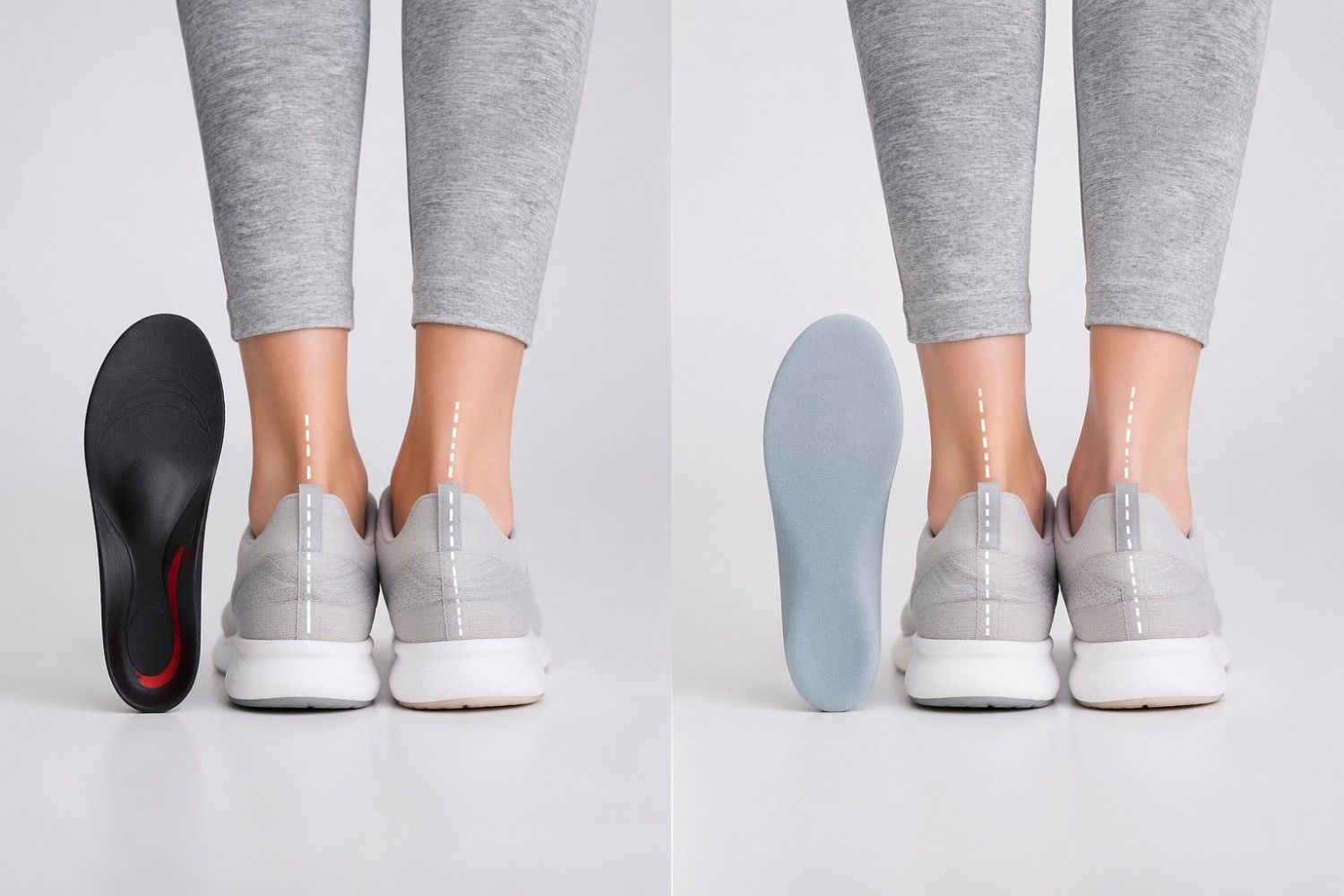
Are Expensive Insoles Worth It for Flat Feet?
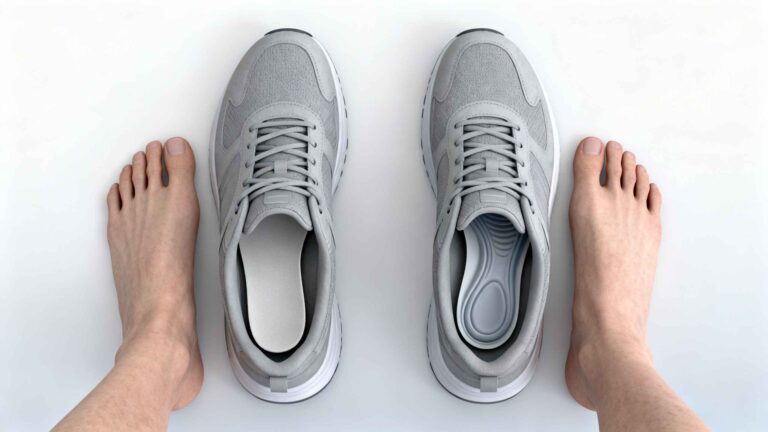
People with flat feet often reach the point where basic shoe inserts no longer feel helpful enough. Maybe the arches still ache after standing for hours, or the knees feel sore after walking longer distances. That’s usually when expensive insoles start appearing in search results, promising stronger support, better alignment, and longer-lasting comfort.
The problem is that higher price does not always guarantee better results. Some premium insoles genuinely provide better structure and durability, while others mainly focus on branding or softer materials that may not actually improve flat foot mechanics. Understanding what you are paying for matters more than simply choosing the most expensive option available.
For many people, flat feet create a gradual buildup of fatigue rather than immediate severe pain. The discomfort often becomes more noticeable after long work shifts, repeated walking, or standing on hard surfaces. Readers exploring flat feet vs overpronation are often trying to understand whether their discomfort comes from arch collapse itself or from the inward rolling movement that frequently follows it.
Why Flat Feet Often Need Better Support
Flat feet reduce the natural arch structure that normally helps absorb and distribute pressure during movement. Without enough support, body weight spreads differently across the foot, especially during standing and walking.
That change in mechanics can increase stress on:
- heels
- ankles
- knees
- calves
- lower back
The symptoms are not always dramatic at first. Some people simply notice tired feet at the end of the day, while others experience soreness after exercise or stiffness in the morning.
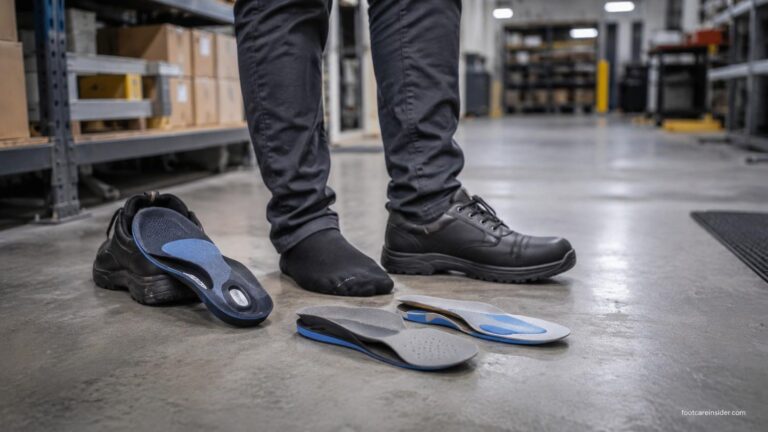
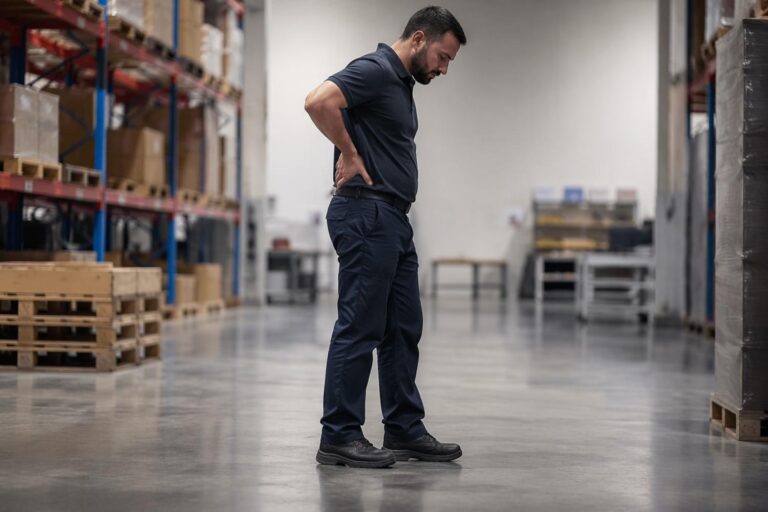
Over time, repeated strain can gradually affect posture and walking efficiency. This is especially common in jobs that involve concrete floors, long standing periods, or constant movement throughout the day.
Higher-quality insoles attempt to improve this by:
- supporting the arch more consistently
- stabilizing foot motion
- redistributing pressure
- reducing fatigue buildup
However, not every expensive insole achieves those goals equally well.
What Makes Some Insoles More Expensive?
The price difference usually comes down to materials, structure, durability, and support design.
Budget insoles often use:
- soft foam
- thin gel layers
- basic cushioning materials
These may feel comfortable initially but can compress quickly under repeated body weight.
More expensive insoles commonly include:
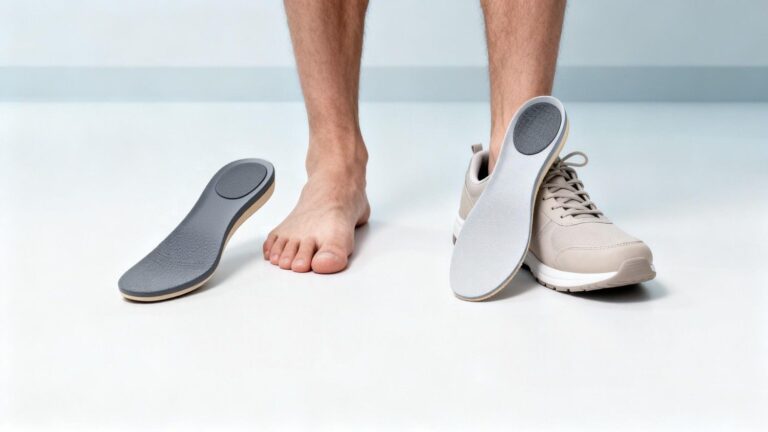
- denser EVA foam
- reinforced arch structures
- multi-layer cushioning systems
- moisture-control materials
- deeper heel stabilization
The goal is usually longer-lasting support rather than short-term softness alone.
For people with flat feet, structural consistency matters because the foot repeatedly collapses inward during movement. A soft insert that feels comfortable for one hour may flatten significantly after several weeks of daily use.
This is why some premium insoles feel firmer than expected. The extra firmness is often intended to maintain support during repeated walking and standing instead of simply creating a plush feeling inside the shoe.
Comfort and Support Are Not Always the Same
One of the biggest misconceptions is that the softest insole is automatically the best choice for flat feet.
Soft cushioning can absolutely improve comfort temporarily, especially for tired feet. But support and cushioning are not identical. A heavily cushioned insert may reduce surface pressure while still allowing unstable foot movement underneath.
This becomes noticeable during long standing shifts or extended walking sessions. Some softer insoles begin to compress unevenly, which may increase fatigue later in the day.
More supportive premium insoles usually focus on balancing:
- firmness
- pressure relief
- arch stability
- heel alignment
People researching why flat feet cause knee pain are often learning that foot alignment affects much more than the arches themselves. When the foot rolls inward excessively, the knees and hips may compensate during movement.
That is one reason why higher-quality support systems can sometimes feel more helpful over time even if they do not feel dramatically softer immediately.
When Expensive Insoles May Actually Help
More expensive insoles tend to make the biggest difference for people who:
- stand for long hours
- walk frequently during work
- have moderate to severe flat feet
- experience recurring fatigue
- notice instability during movement
They may also help individuals who repeatedly wear down cheaper inserts within a few months.
A stronger arch structure often maintains its shape better during repeated use, especially on hard floors. This can create more consistent support throughout the day instead of gradually collapsing under body weight.
People searching for best insoles for flat feet are often trying to solve this exact issue: finding support that still feels stable after several hours instead of only during the first part of the day.
Footwear also matters. Even expensive insoles struggle inside worn-out shoes with poor stability. The overall support system works best when both the shoe and insole contribute to alignment and cushioning together.
Situations Where Expensive Insoles May Not Be Necessary
Not everyone with flat feet needs premium-priced support.
For mild flat feet or occasional soreness, a moderately supportive insole may provide enough comfort improvement without requiring a large investment.
Some people mainly need:
- slightly better arch support
- improved heel cushioning
- reduced pressure during standing
In those situations, paying significantly more may not create a dramatic difference.
There are also cases where expensive insoles feel overly aggressive. Firmer support systems sometimes require an adjustment period, especially for people who are used to very soft cushioning.
Flat foot severity, daily activity level, body weight, and footwear type all influence whether premium support is actually beneficial. Someone walking casually for short periods each day may have completely different support needs compared to a warehouse worker standing on concrete for 10 hours.
If your shoes already feel tight, it helps to understand how insole thickness affects support, cushioning, and fit before buying a bulkier pair.
Durability Often Matters More Than Initial Feel
One reason expensive insoles can become worthwhile over time is durability.
Cheaper foam inserts often break down faster under repeated pressure. Once the material compresses permanently, the support effect becomes less consistent.
Premium insoles are usually built to resist:
- flattening
- uneven compression
- arch collapse
- material fatigue
That longer lifespan sometimes offsets the higher upfront cost, especially for people who use insoles daily.
Readers exploring what causes flat feet often discover that body mechanics, genetics, weight distribution, and long-term movement patterns all affect how quickly support materials wear down.
For people placing heavy repeated load on their feet every day, durability becomes much more important than the first impression after putting the insole into the shoe.
Support Matters More Than Marketing Claims
One of the biggest mistakes people make is assuming that a higher price automatically means medically superior support. In reality, the most effective insole is the one that matches the individual foot structure, activity level, and type of daily movement.
Some premium models genuinely provide stronger arch stabilization and longer-lasting materials. Others mainly add softer foam layers or branding without improving alignment very much.
That is why comfort should be evaluated over time rather than during the first five minutes of wear. A softer insert may feel impressive immediately but lose effectiveness after several hours of standing. Firmer support systems often feel less dramatic initially but maintain consistency better during repeated use.
People exploring insoles for standing all day are usually balancing this exact issue between short-term softness and long-term fatigue reduction.
Footwear Changes the Results
Even high-quality insoles cannot fully compensate for unstable shoes.
Shoes with:
- weak heel structure
- compressed midsoles
- poor arch shape
- excessive flexibility
can reduce how effective supportive insoles feel throughout the day.
This becomes especially noticeable in people with moderate or severe flat feet because the shoe and insole work together as one support system. A premium insole placed inside worn-out footwear may still leave the foot unstable during walking.
In many cases, upgrading footwear and improving insole quality together creates a much more noticeable improvement than focusing on one alone.
When Medical Advice Becomes Important
Flat feet become more concerning when discomfort progresses beyond simple fatigue.
Medical evaluation may be helpful if:
- pain becomes persistent
- walking mechanics change noticeably
- swelling develops
- instability worsens
- knee or hip discomfort increases
- normal activity becomes difficult
Some flat feet remain flexible and relatively mild throughout life, while others gradually become more rigid or symptomatic over time.
In those situations, support decisions become less about comfort alone and more about managing long-term movement mechanics safely.
Prevention and Long-Term Foot Support
Flat feet cannot always be completely prevented, especially when genetics play a major role. However, reducing repetitive strain can help slow the progression of discomfort.
Helpful strategies often include:
- supportive footwear
- replacing worn-out insoles regularly
- avoiding prolonged unsupported standing
- maintaining healthy walking mechanics
- managing repeated impact on hard surfaces
For many people, prevention is less about “fixing” flat feet and more about controlling fatigue and reducing excessive stress across the body over time.
Even small improvements in support consistency can sometimes reduce end-of-day soreness significantly.
Our picks: If you decide support is worth paying for, these are the three we would start with.
Moderate support insoles – A good first step for mild flat feet.
Powerstep Maxx Support – A structured arch with cushioning on top for flat feet that tire.
Superfeet Green – A firm arch for flat feet that need more control.
Common Questions
Are expensive insoles better for severe flat feet?
They can be, especially when the higher cost reflects stronger structural support and better durability. People with severe flat feet often place heavier repeated strain on insoles, so stronger materials may maintain support more consistently throughout daily use.
How long do premium insoles usually last?
That depends on activity level, body weight, and material quality. Many higher-end insoles last considerably longer than cheaper foam inserts because they resist compression and structural breakdown more effectively during repeated walking and standing.
Can cheap insoles still help flat feet?
Yes, especially for mild discomfort or occasional use. Some affordable insoles provide decent cushioning and moderate support. The main difference is often how long that support remains effective under daily load.
Why do some expensive insoles feel firmer?
Firmer materials are often used to maintain arch stability and reduce excessive inward movement. Softer cushioning may feel comfortable initially but sometimes loses shape faster during prolonged standing or walking.
Should flat feet always use arch support?
Not necessarily in the same way for everyone. Some people benefit from moderate support and cushioning, while others require firmer stabilization depending on foot mechanics and symptom severity.
Can insoles completely fix flat feet?
Most insoles are designed to improve support and reduce strain rather than permanently change foot structure. They help manage movement mechanics and comfort, but they are not usually a complete structural correction.
Flat feet often require a balance between comfort, stability, durability, and realistic daily support needs. Expensive insoles can absolutely be worthwhile for some people, particularly when long standing hours, repeated walking, or structural instability place heavy strain on the feet.
But price alone is not the deciding factor.
The real value comes from whether the insole:
- maintains support over time
- matches the foot’s movement pattern
- reduces fatigue consistently
- fits properly inside supportive footwear
For mild flat feet, moderate support may be enough. For more demanding movement patterns or recurring discomfort, stronger premium support systems may provide a noticeable long-term benefit.
The goal is not finding the most expensive insert possible. It is finding support that actually works for the way your body moves every day.