Best Insoles for Daily Walking Comfort
Why Everyday Walking Can Leave Your Feet Feeling Worn Out
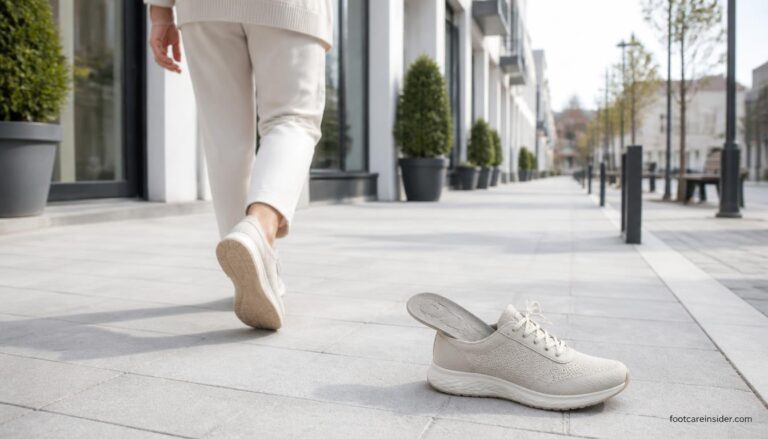
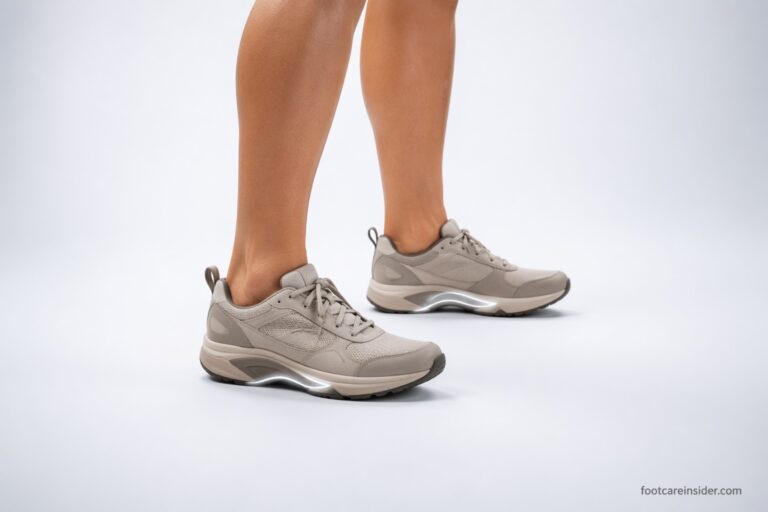
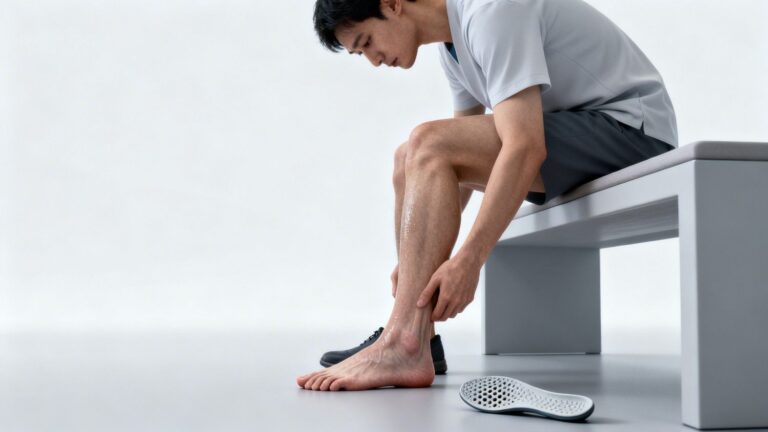
A normal day of walking does not always feel demanding at first. You head to work, run errands, walk through stores, take the stairs, and perhaps add an evening walk. By late afternoon, though, your heels may feel tender, your arches tired, or your feet simply heavier than they did that morning. Choosing insoles for daily walking comfort is less about finding the softest padding and more about matching support to how your feet actually handle repeated steps.
Someone walking a few miles across mixed indoor and outdoor surfaces has different needs from a person doing occasional short trips. The right direction depends on where fatigue builds, how much you walk, and whether your everyday shoes have enough room for added support.
How to Narrow the Right Insole for Everyday Walking
For regular walking, start by paying attention to your discomfort pattern rather than chasing one feature. Heel soreness may point you toward a different insole style than tired arches or general forefoot pressure.
Your daily walking load matters too. So does the fit of your sneakers or casual shoes and whether your feet feel unstable as the day goes on. The goal is to identify whether you need more cushioning, stronger support, a slimmer fit, or better structure that continues to feel consistent after thousands of steps.
Why Repeated Steps Create a Different Kind of Foot Fatigue
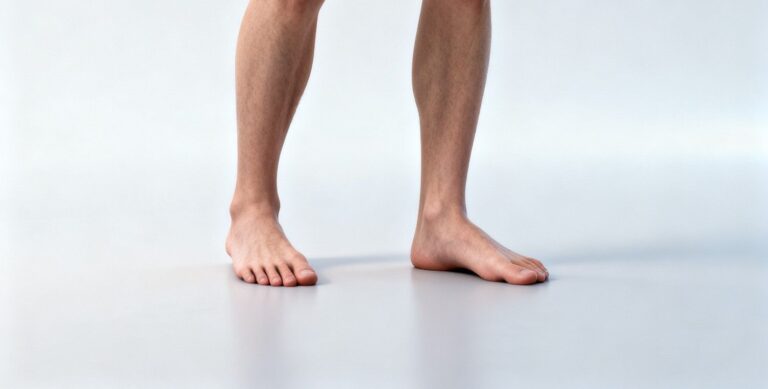
Daily walking places your feet under repeated, moderate load. Each individual step may feel easy, but the total number of steps adds up. Your heel repeatedly contacts the ground, weight moves through the midfoot, and pressure shifts toward the front of the foot as you move forward.
Fatigue often develops gradually rather than appearing during the first ten minutes. This is why your shoes can feel perfectly comfortable in the morning yet less supportive after several hours of errands, commuting, or routine walking.
Readers who notice this gradual buildup may find Why Your Feet Feel More Tired After Long Shifts useful for understanding how accumulated load can change foot comfort over time.
Walking surfaces also change throughout a normal day. Sidewalks, store flooring, office corridors, and hard indoor surfaces do not all feel the same underfoot. An insole for everyday walking therefore needs to manage repeated movement without feeling excessively soft, rigid, or unstable as the hours pass.
Why the Insoles That Come With Your Shoes May Not Be Enough
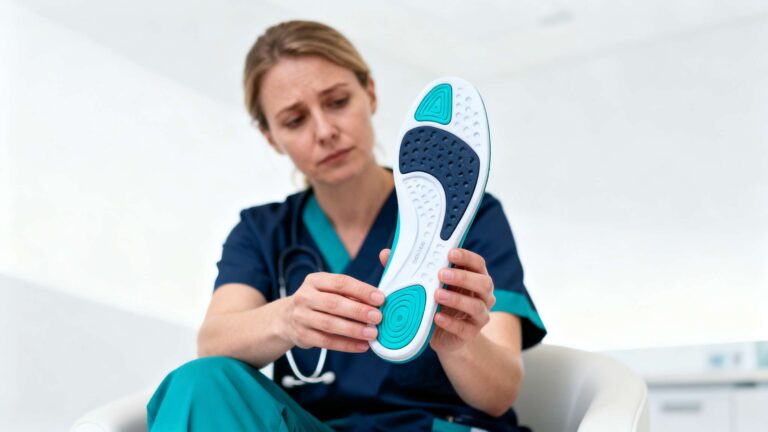
The original liner inside a walking shoe may be perfectly adequate for lighter use. The problem is that basic liners are not always designed around a specific fatigue pattern or a higher daily step count.
A thin, soft liner can feel comfortable when you first put the shoe on but compress under repeated walking. If your arches become tired, softness alone may not provide the structure you are looking for. If your main issue is heel soreness, a very firm insole may feel like more support than you actually need.
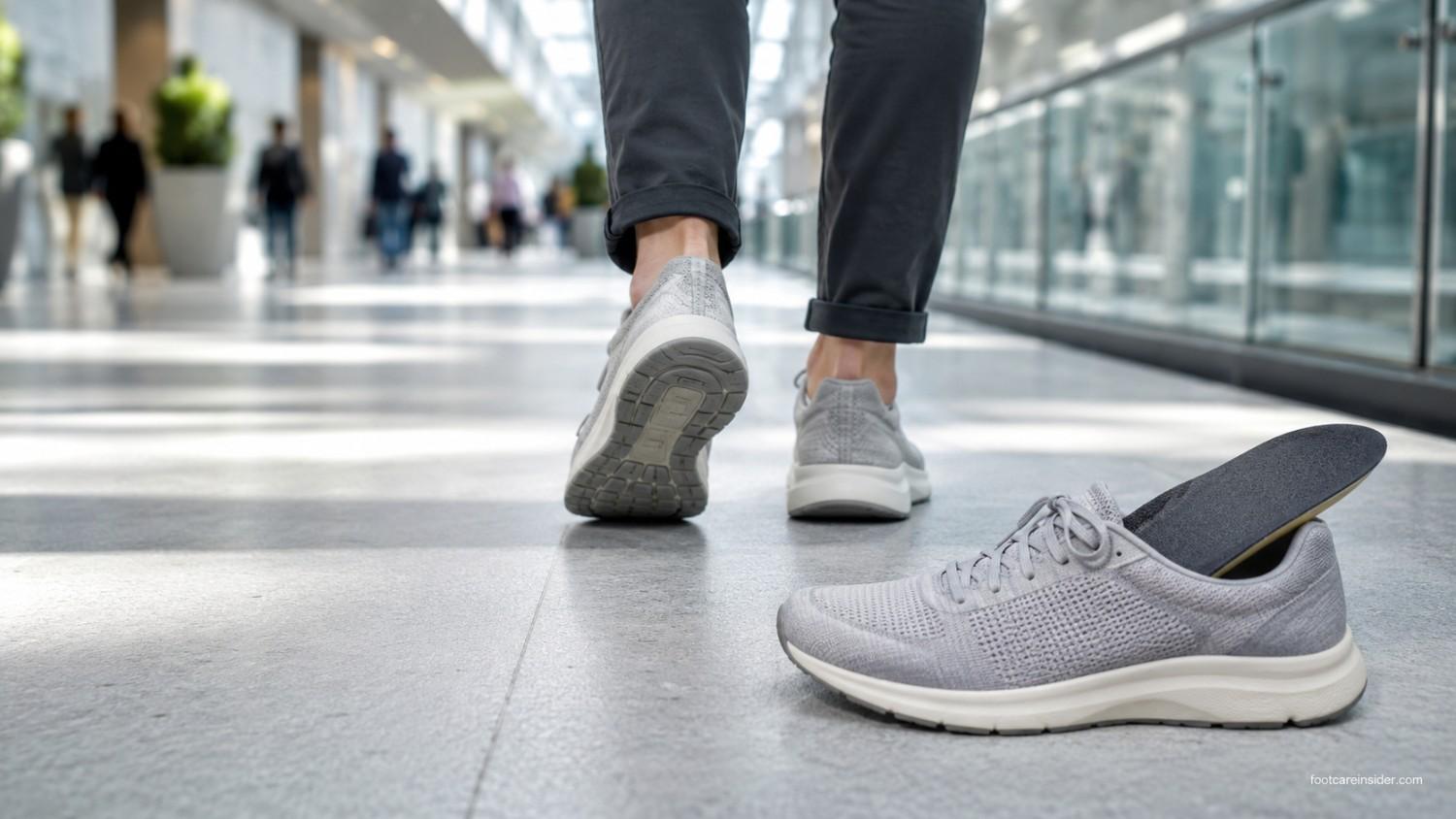
Fit can also become a problem. Adding a thick comfort insole to a sneaker that already fits closely may lift the heel or reduce toe room. In that situation, more cushioning does not automatically mean more walking comfort.
The better question is not whether the stock insole is “bad.” It is whether its cushioning, support, and volume still match your feet after the amount of walking you actually do each day.
Which Insole Direction Fits Your Daily Walking Pattern?
If your feet mainly feel generally sore after routine walking, a balanced cushioning insole may be the simplest direction. Look for comfort that softens repeated ground contact without creating an overly squishy feeling beneath the foot.
If tired arches are the main pattern, structured arch support often makes more sense than adding another layer of softness. The aim is a supportive feel that remains comfortable while your foot moves through repeated steps, not an aggressive arch shape that feels intrusive.
For heel soreness that becomes more noticeable after several hours, a heel-focused cushioning direction may help manage repeated contact pressure. This is more specific than choosing a heavily padded insole from heel to toe.
People whose feet begin to feel slightly unstable or unsupported during longer walks may prefer a stability-focused insole. These options generally feel more structured than plush comfort insoles, although some walkers need time to adjust to the firmer underfoot feel.
If your everyday sneakers already fit closely, a slim or low-volume insole deserves priority. A technically supportive insole is not useful if it crowds your toes, changes heel fit, or makes a familiar walking shoe uncomfortable.
For higher daily step counts, durability and support retention become more important. Readers regularly covering longer distances may also want to compare Best Insoles for Heavy Walking because high-mileage use can require a more durable direction than ordinary daily comfort.
The main choice comes down to what changes first as your walking day progresses: general comfort, heel pressure, arch fatigue, stability, or shoe fit. Once that pattern is clear, it becomes much easier to choose an insole direction that matches your actual steps rather than simply buying the softest option on the shelf.
Best for General Soreness From Routine Daily Walking
If your feet simply feel worn out after errands, commuting, and moderate everyday walking, start with balanced cushioning that still feels controlled underfoot. This direction suits standard walking sneakers and mixed surfaces without adding excessive firmness. It is more forgiving than structured support, although walkers with persistent arch fatigue may find it lacks enough stability.
Best for Arches That Feel Tired as Your Step Count Builds
A structured arch-support insole makes more sense when your arches gradually feel weak or fatigued during longer walking days. It can provide a steadier platform through repeated steps and suits many standard walking shoes. Compared with plush cushioning, it feels more supportive, but an overly aggressive arch shape may feel uncomfortable if you prefer a neutral underfoot feel.
Best for Heel Soreness After Hours of Walking
If repeated heel contact is where you notice discomfort first, consider an insole with focused heel cushioning and a stable heel area. This direction works well for mixed indoor and outdoor walking where impact accumulates gradually. It is more targeted than full-length plush padding, although it may do less for walkers whose main problem is tired arches.
Best When Your Everyday Walking Shoes Already Fit Closely
Slim, low-volume insoles are the practical choice when your sneakers have limited internal space. They can add moderate cushioning or support without lifting your heel or crowding the forefoot as much as bulky options. They are easier to fit than heavy-duty insoles, but walkers covering higher daily mileage may want stronger support retention and durability.
Best for Longer Daily Walks and Support That Lasts
For consistently high step counts, a firmer stability-focused insole may hold its shape better through repeated walking. This suits walkers whose stock liners flatten quickly or whose feet feel less supported late in the day. It is more durable than plush comfort cushioning, though the firmer feel can require adjustment and may be unnecessary for lighter walking routines.
FAQs
Are soft or firm insoles better for daily walking?
Soft insoles can suit general soreness and lighter walking. Firmer support often makes more sense when arch fatigue or mild instability builds as your step count increases.
Should I remove the original shoe insole first?
If the original liner is removable, replacing it usually provides better space and fit. Stacking insoles can make the shoe tight or lift your heel.
How often should daily walking insoles be replaced?
Replacement depends on mileage, body load, and construction. Consider replacing them when cushioning stays compressed or support feels noticeably less consistent.
Are walking insoles supposed to feel supportive immediately?
They should fit securely without creating sharp pressure. A firmer insole may feel different at first, but persistent discomfort is a reason to reassess the shape or support level.
Which Insole Direction Makes the Most Sense?
For general walking soreness, start with balanced cushioning. Choose structured support when tired arches build with mileage, and low-volume insoles when shoe space is limited. If you regularly cover longer distances or flatten soft liners quickly, a firmer stability-focused option is usually the more practical direction for daily walking.