Flat Feet Pain After Standing All Day: Why It Happens
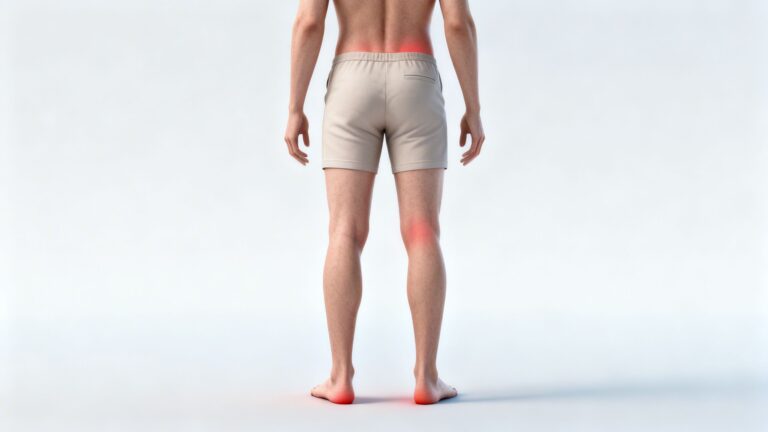
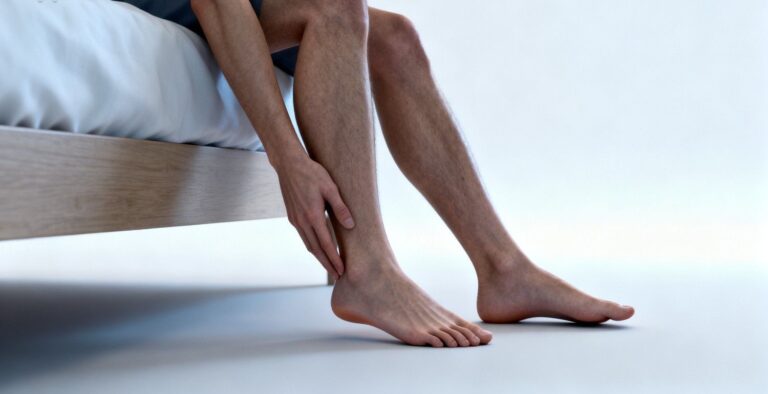
If your feet ache after a long shift, feel heavy by the evening, or seem to “collapse” when you stand still, you’re not alone. Flat feet standing pain often builds gradually through the day, especially when your job or routine keeps you on hard surfaces for hours. The discomfort isn’t just about the arch looking low—it’s about how your foot handles load over time.
When the arch doesn’t support and distribute pressure effectively, muscles and tendons have to work harder. That extra effort can lead to fatigue, soreness, and sometimes pain that lingers even after you sit down.
Our picks: If your flat feet ache after hours on a hard floor, these are two we would start with.
Powerstep Maxx Support – A structured arch with cushioning on top, which suits flat feet that tire over a long shift.
Spenco RX – Extra cushioning for hard floors such as concrete and tile, where the foot has to absorb more of the impact.
What Flat Feet Pain Feels Like After Long Standing
People describe this pain in slightly different ways, but there are common patterns.
For background on the condition itself, read our flat feet guide.
You might notice:
- a dull ache along the inner arch
- a tired, heavy feeling in the feet
- soreness that increases toward the end of the day
- discomfort when you first start walking again after resting
Early on, it may feel like simple fatigue. Over time, it can become more persistent or show up sooner in the day.
Why Standing Makes It Worse
Standing puts continuous load on the foot without giving it a break between steps. Unlike walking—where pressure shifts and muscles alternate—standing keeps the same structures engaged for long periods.
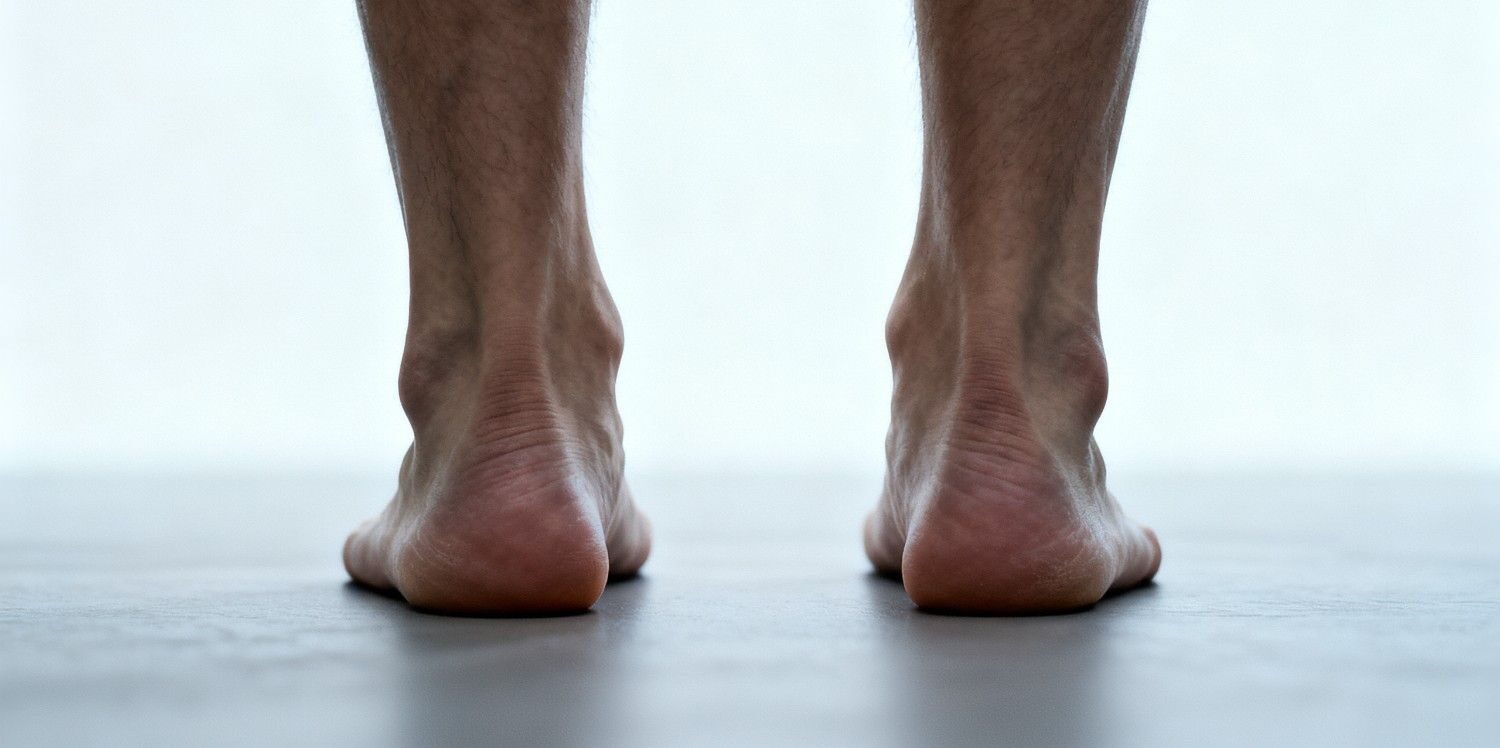
With flat feet, the arch tends to lower under weight. When that happens:
- the foot spreads more than usual
- pressure shifts toward the inner side
- stabilizing muscles stay active longer
This constant demand can lead to fatigue even if you’re not moving much.
It’s also why standing on hard floors feels worse. There’s less natural cushioning, so your foot has to absorb more of the load itself.
How Movement Patterns Play a Role
Flat feet are often connected to how the foot moves, not just how it looks. In many cases, there’s also inward rolling of the foot during standing or walking.
This movement pattern—often explained in flat feet vs overpronation — can increase strain on the inner side of the foot and ankle. When combined with long periods of standing, it makes fatigue build faster.
The result isn’t always sharp pain. It’s often a gradual loss of comfort that becomes harder to ignore as the day goes on.
What a Long Shift Does to Flat Feet
Many people with flat feet describe the same pattern over a standing day. The first hours feel fine. By mid-shift the arch starts to tire and you shift your weight more. By the end the feet feel heavy and achy, and the first steps after sitting down can be sore.
The cause is steady load without breaks. The small muscles and tendons that hold the arch work continuously, and they run out of energy before the day ends. For the underlying reasons the arch is weaker in the first place, see what causes flat feet.
Risk Factors That Increase Daily Foot Pain
Some situations make standing-related pain more likely.
Long shifts
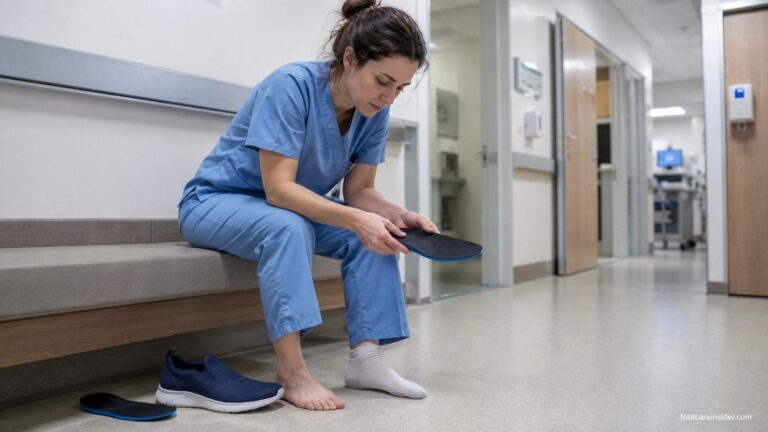
Jobs that involve standing in one place—like retail, healthcare, or warehouse work—limit variation in movement.
Footwear
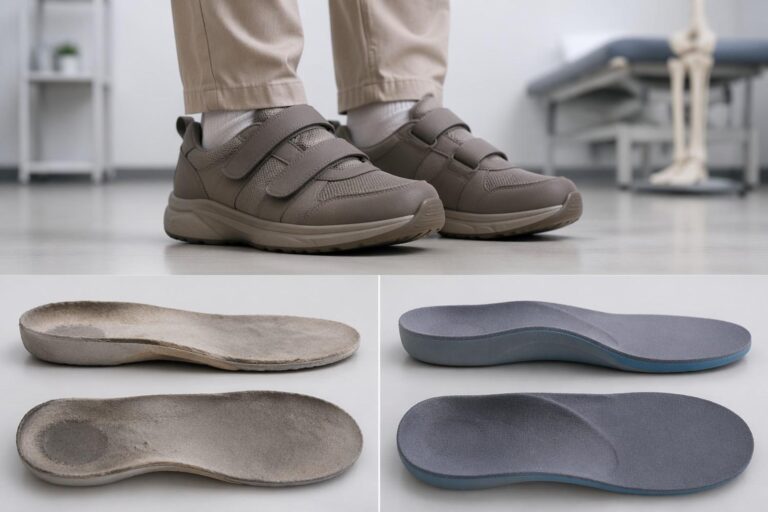
Shoes with worn-out soles or limited support allow the foot to collapse more under pressure.
Surface type
Hard flooring increases impact and reduces natural shock absorption.
Body load
More weight or carrying loads increases the demand placed on the arch and supporting structures.
These factors don’t always cause pain on their own, but together they increase the strain your feet experience throughout the day.
Early vs More Noticeable Symptoms
Flat feet standing pain often develops in stages.
Early signs:
- mild fatigue after long periods
- slight arch discomfort
- relief after resting
As it becomes more noticeable:
- pain appears earlier in the day
- discomfort lasts longer after activity
- the foot feels less stable during standing
Some people also notice that their shoes wear unevenly or that standing still feels more tiring than walking.
When It Becomes More Than Just Fatigue
Occasional discomfort after a long day is common. It becomes more important to address when the symptoms start affecting daily movement.
Watch for:
- persistent pain that doesn’t improve with rest
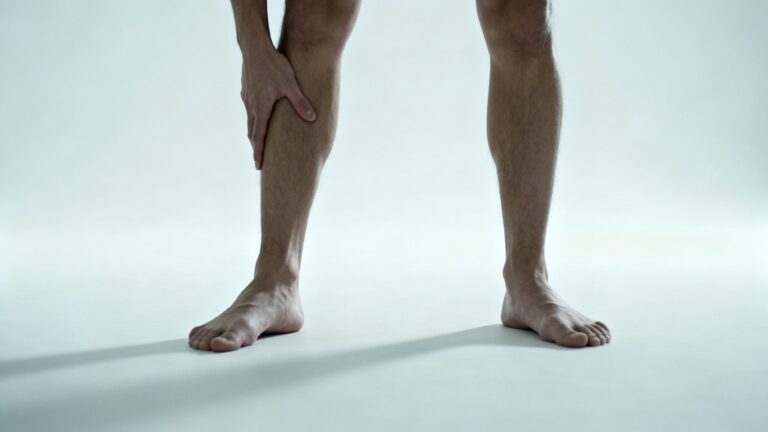
- swelling along the inner ankle
- discomfort spreading beyond the foot
Because your feet influence overall alignment, ongoing strain can affect other areas. For example, changes in how your foot handles load can contribute to knee discomfort, which is explained further in why flat feet cause knee pain.
At that point, the issue isn’t just about standing—it’s about how your body is managing load over time.
Who Gets It Worst: Jobs and Floors
Standing in one place on a hard floor is the hardest combination. It shows up often in these jobs:
- Nurses and healthcare staff, with long shifts on hospital floors
- Cashiers and retail workers, who stand at a fixed spot
- Teachers, who stand and pace on hard classroom floors
- Warehouse and factory workers, often on concrete
The floor matters too. Our guide to tile vs concrete floors compares them, and standing on concrete foot pain covers the hardest case.
How to Reduce Pain From Standing All Day
Improving comfort starts with reducing how much strain your feet handle during long periods of standing. That doesn’t mean completely changing your routine—it means adjusting how your feet deal with load.
Foot-strengthening exercises can help improve how the arch supports your weight. Simple movements like short-foot activation, toe lifts, or controlled balance work encourage the muscles to stay active without becoming overloaded. Over time, this can improve endurance and reduce fatigue.
Movement variation also makes a difference. Even small changes—like shifting weight between feet, taking short walking breaks, or changing stance—help reduce constant pressure on the same areas.
Load management is just as important. If your day involves standing for hours, breaking that time into shorter segments or alternating tasks when possible can help prevent fatigue from building too quickly.
A Practical Checklist for Your Shift
- Before: wear supportive shoes with a firm heel, and check your insoles are not worn out. See the signs you need new insoles.
- During: shift your weight, take a short walk or sit briefly when you can, and use an anti-fatigue mat at a fixed station.
- After: put your feet up for a few minutes and gently stretch your calves.
- Over weeks: do arch and balance exercises a few times a week.
If the pain is mainly around the ankle, read flat feet and ankle pain. If it is mostly in the heel, see heel pain after standing.
Where Insoles Can Help
Even if you’re focusing on natural improvement, insoles can still play a supportive role.
They don’t “fix” flat feet, but they can reduce strain by redistributing pressure and providing temporary arch support. This is especially useful during long shifts where your feet don’t get much recovery time.
For example, people who spend extended periods on hard floors often explore options like insoles for standing all day to improve daily comfort.
The key is to think of insoles as support—not a solution on their own. They work best alongside strengthening and better movement habits.
When to Seek Medical Advice
Sometimes, standing-related pain goes beyond what simple adjustments can manage.
You may want to seek professional advice if:
- pain becomes persistent or worsens over time
- swelling appears along the inner ankle
- walking or standing feels unstable
- discomfort begins to affect your knees or other joints
A clinician can assess how your foot moves under load and recommend targeted treatment if needed.
Preventing Pain From Getting Worse
Even small daily habits can help reduce the chance of pain becoming more serious.
Wearing supportive footwear is one of the most effective steps. Shoes that maintain structure and provide cushioning reduce the amount of work your foot has to do.
Consistency with movement also matters. Regular walking, light strengthening, and avoiding long periods of complete inactivity help maintain function.
Rotating activity levels can also reduce repetitive strain. If your routine allows, alternating between standing, walking, and sitting can help your feet recover throughout the day.
A Simple Way to Think About It
Exercises help improve how your foot functions over time, while external support helps manage stress during long periods of standing.
They don’t replace each other—they work together.
Common Questions
Why do my flat feet hurt more when I stand than when I walk?
Standing keeps the same structures under constant load without variation. Walking shifts pressure and gives muscles short breaks, which often feels less tiring.
Can flat feet pain go away on its own?
Mild discomfort may improve with rest, but recurring pain usually requires some form of support, strengthening, or adjustment in daily habits.
Do better shoes really make a difference?
Yes. Footwear that provides structure and cushioning can reduce strain significantly, especially during long hours on hard surfaces.
Should I avoid standing completely?
Not necessarily. The goal is to manage how long and how continuously you stand, rather than eliminating it entirely.
Is this pain permanent?
Not always. Many people reduce or manage symptoms effectively by improving support, strengthening the foot, and adjusting daily routines.
How long should I stand before taking a break?
There is no fixed number, but breaking up long unbroken standing helps. Even a minute of walking or sitting every hour or so lets the arch muscles recover.
Do compression socks or an anti-fatigue mat help?
A mat adds a little give at a fixed station and many people find it helps. Compression socks help some people with leg tiredness, but they do not support the arch, so shoes and insoles still matter.
Final Thoughts
Flat feet pain after standing all day isn’t just about the shape of your arch—it’s about how your foot handles continuous load.
For some people, it’s a mild discomfort that builds slowly. For others, it can become a more noticeable issue that affects daily movement.
The most effective approach is usually a combination of improving function, managing load, and using support when needed. When these elements work together, it becomes much easier to reduce strain and stay comfortable throughout the day.