Best Insoles for Food Service Workers
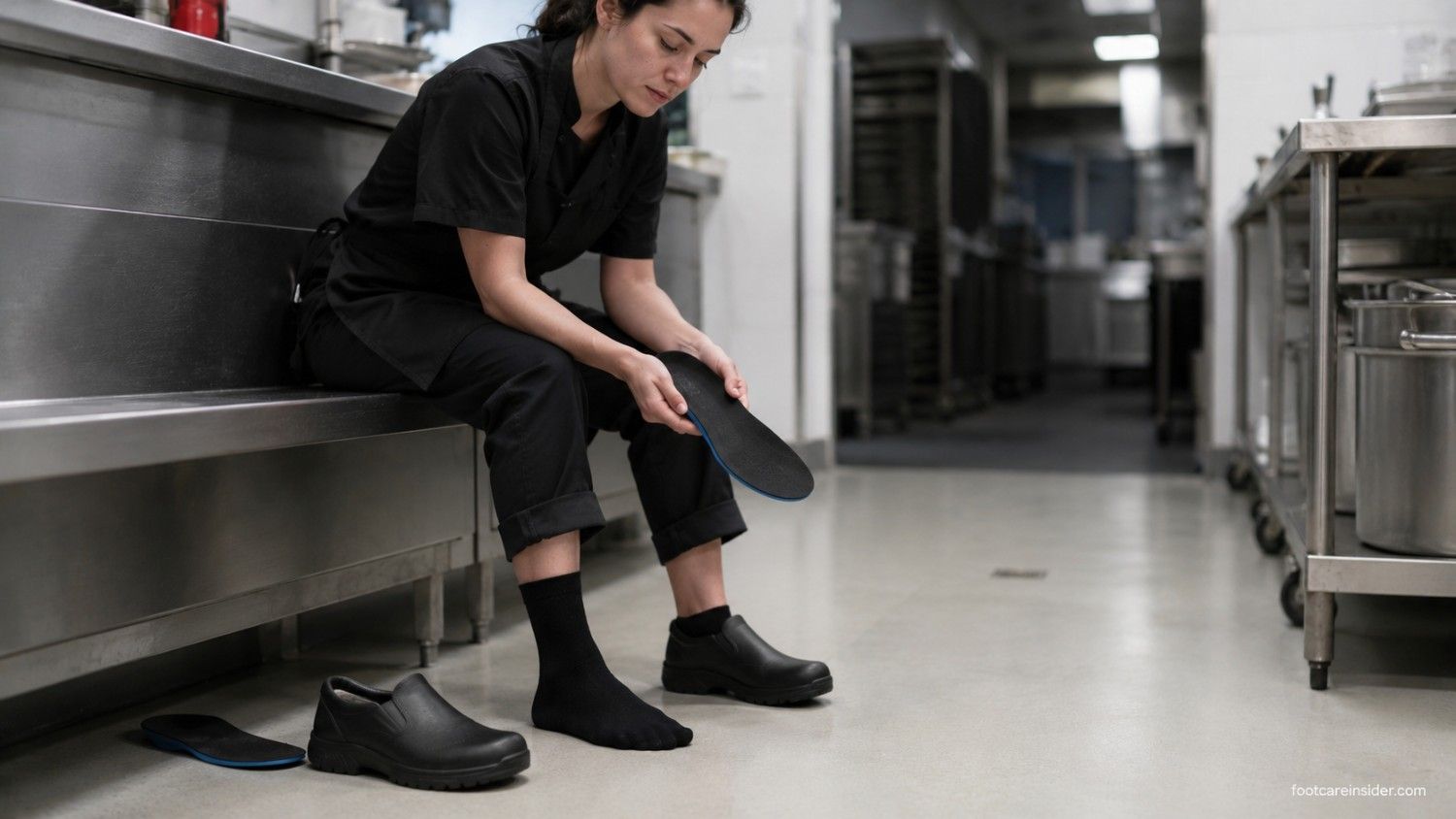
Food service work is rough on feet in a very specific way. You’re not just standing around for hours — you’re usually shifting, pivoting, hustling between stations, carrying trays or supplies, and doing it all on hard, unforgiving floors that don’t give much back. By the end of a long shift, that often turns into sore heels, tired arches, burning forefeet, and that heavy “my feet are done” feeling that can make even the walk to the car annoying. Add slip-resistant work shoes that can run stiff, flat, or cramped, and it’s easy to see why so many food service workers end up looking for better insoles rather than just “more comfortable shoes.”
How to Choose the Right Insoles for Food Service Work
The right insole for food service workers usually depends on four things: where your feet get tired first, how much walking vs standing your shift involves, how much room your work shoes actually have, and whether you need softness, support, or something that holds up better over repeated long shifts. The goal here isn’t to explain every insole type on the market. It’s to narrow which direction makes the most sense for your actual workday so the final choice is easier.
Why Food Service Shifts Beat Up Your Feet So Fast
Food service jobs create a different kind of foot fatigue than a desk job or even some retail work. You’re often on tile or sealed concrete, moving in short bursts, stopping suddenly, turning quickly, and loading the front of the foot over and over during service. That repeated low-level strain adds up. Instead of one dramatic pain point, many workers get a mix of heel soreness, arch fatigue, forefoot pressure, and general foot exhaustion that builds through the shift.
The shoe setup matters too. Many kitchen clogs, slip-resistant sneakers, and service shoes prioritize grip and spill resistance, but they don’t always give you much underfoot support. If you also have flat feet, mild pronation, or a habit of rolling inward as you get tired, the fatigue can show up even earlier. Readers dealing with that kind of collapse-and-fatigue pattern may also want to compare Best Insoles for Flat Feet at Work.
Why the Stock Insole Usually Isn’t Enough
A basic insole can feel fine at the start of a shift and still be the wrong tool for a food service schedule. One common problem is that stock insoles are simply too soft and thin for repeated hours on hard floors. They flatten quickly, lose rebound, and stop doing much once the shift gets busy. Another issue is structure: many don’t provide enough arch support or side-to-side stability once your feet start tiring and your posture gets sloppier late in the day.
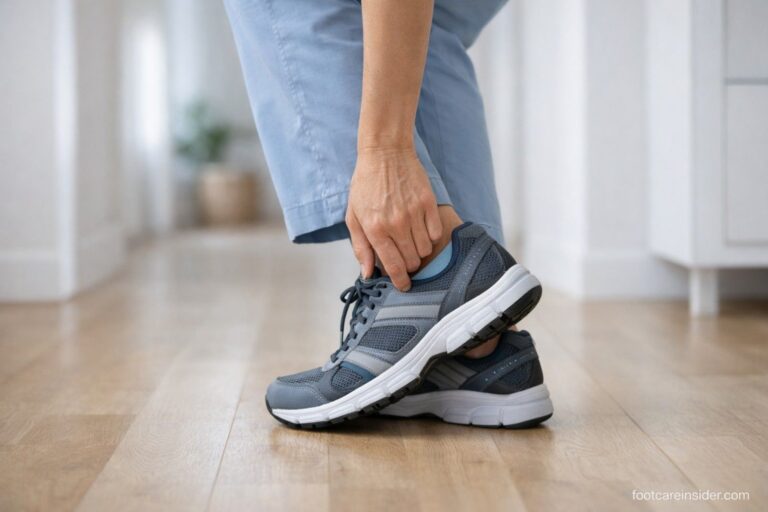
Fit can also work against you. Food service shoes are often snug through the midfoot or toe box, so a bulky aftermarket insole can crowd the foot, lift the heel too much, or make the shoe feel unstable. That’s why the “softest insert possible” approach often backfires here. In many cases, food service workers need a better match between cushioning, support, and shoe volume — not just more padding.
What to Look for Before You Buy
For food service workers, there are usually five insole directions worth thinking about before you buy.
If your biggest issue is that hard floors leave your heels and whole foot feeling beaten up, a cushioning-focused insole with decent shock absorption makes the most sense. This is usually the best fit for workers who spend a lot of time planted at one station, like prep cooks, baristas, or line staff who stand more than they walk.
If your arches feel tired, strained, or unstable by the end of a shift, a support-focused insole is often the smarter choice. This matters more if you have flat feet, mild pronation, or that “my whole foot collapses when I get tired” feeling after several hours on the floor.
If your work shoes already feel tight, especially in slip-resistant shoes or clogs, low-volume insoles become more important than plush ones. A slimmer insole often gives you enough help without ruining fit.
If your problem is that soft inserts feel good for two days and then flatten out, you may need a heavier-duty insole built for durability and long-shift retention rather than immediate softness. That’s often the better path for workers doing back-to-back long shifts or carrying more total body load.
And if most of your discomfort sits under the ball of the foot from constant stepping, pivoting, and pushing off, forefoot-friendly cushioning or pressure-relief design matters more than arch height alone. Workers dealing with all-day standing fatigue across the whole foot may also find Best Insoles for Standing All Day useful as a comparison point.
Once you know whether your main problem is heel impact, arch fatigue, cramped work shoes, forefoot pressure, or insoles that die halfway through the week, the next step gets much easier. From there, the real choice is which insole type best matches the way your shifts actually wear your feet down.
Best if hard kitchen floors leave your heels feeling beaten up
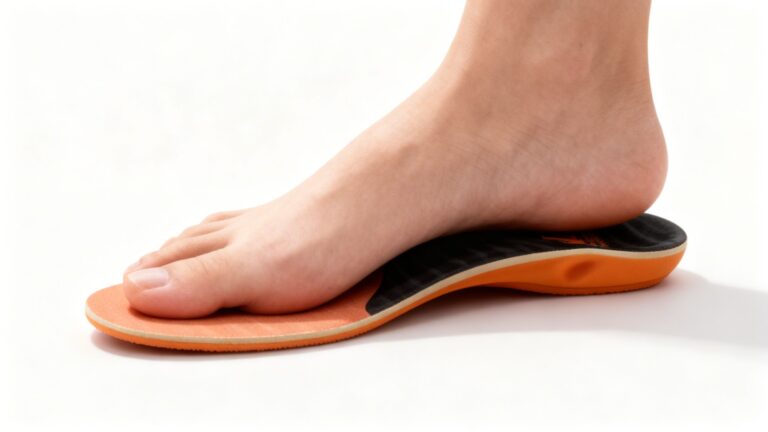
If your feet feel most sore through the heel and general underfoot padding by the end of a shift, start with a cushioning-focused insole that can absorb repeated impact from tile or concrete. This works well for line cooks, prep staff, and anyone who spends long stretches planted in one zone. The tradeoff is that very soft options can feel less stable than structured support insoles once your arches start tiring too.
Best for tired arches during long mixed standing-and-walking shifts
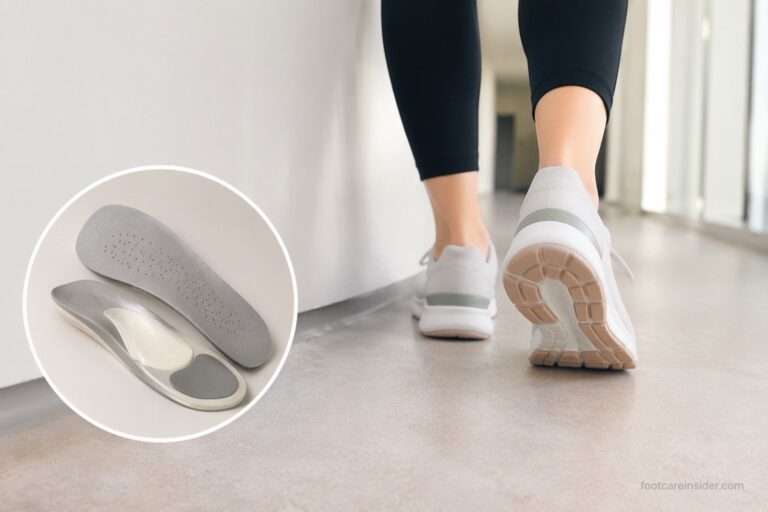
If your fatigue feels more like your arches slowly give up halfway through the shift, a firmer support-focused insole usually makes more sense than a plush comfort insert. This is often the better fit for servers, runners, and workers who are constantly moving between stations. It tends to hold up better over long days too, though it may feel less immediately soft than a cushioning-first option.
Best if your slip-resistant work shoes already feel tight
Food service shoes are often snug enough that a bulky insole creates a new problem instead of solving the old one. If your shoes already feel close through the toe box or instep, a low-volume insole is usually the safer direction. It can add some support or shock absorption without crowding the foot. The downside is that slim insoles usually won’t feel as plush or as protective as thicker long-shift models.
Best if the ball of your foot burns after constant pivoting and push-off
Some food service workers don’t complain about the arch first — they complain about that hot, sore forefoot feeling that builds after hours of stepping, turning, and pushing off near the line or counter. In that case, a forefoot-friendly cushioning design often makes more sense than chasing high arch support alone. It helps spread pressure better, but it may not be enough if your bigger issue is instability rather than pressure.
Best if your insoles feel dead halfway through the week
If you’ve already tried softer comfort insoles and they flatten fast, a heavier-duty insole built for support retention and durability is usually the better move. This makes the most sense for workers doing long back-to-back shifts, carrying more body load, or wearing the same pair of work shoes every day. It won’t feel as plush on day one, but it often performs better by day ten. Readers deciding between softness and structure may also want to compare Soft vs Firm Insoles.
FAQs
Are soft insoles always best for food service workers?
Not always. Soft cushioning can help with hard-floor heel fatigue, but if your arches collapse or your feet feel unstable late in the shift, a firmer support-focused insole often works better over a full day.
Can insoles help with leg and back fatigue too?
They can, especially if some of that fatigue starts with poor underfoot support and long hours on hard floors. Insoles won’t fix every cause of leg or back pain, but they can reduce some of the foot strain that travels upward through the shift.
Should I remove the original insole from my work shoes?
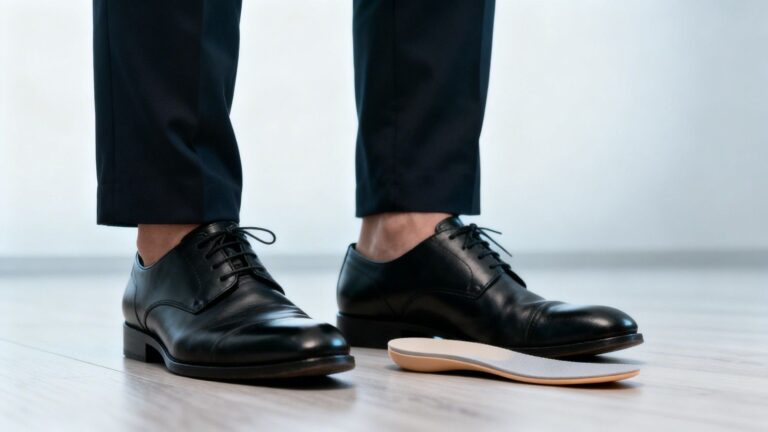
Usually yes, if the aftermarket insole is designed to replace a removable liner. Leaving both in place often crowds the shoe and can make slip-resistant work shoes feel tighter or less stable.
How often should food service workers replace insoles?
That depends on the insole and your shift load, but people working long food service hours usually wear them out faster than casual users. If cushioning feels flat, support drops off, or your foot fatigue returns earlier than before, it’s probably time to replace them.
Final Verdict
If your feet feel pounded by hard floors, start with cushioning. If your arches feel tired, unstable, or overworked by the end of the shift, lean toward support. If your shoes already fit tight, go slimmer rather than softer. And if you keep burning through basic inserts, a heavier-duty insole usually makes more sense than another plush comfort pair.