Best Insoles for Running (Prevent Pain & Injuries)
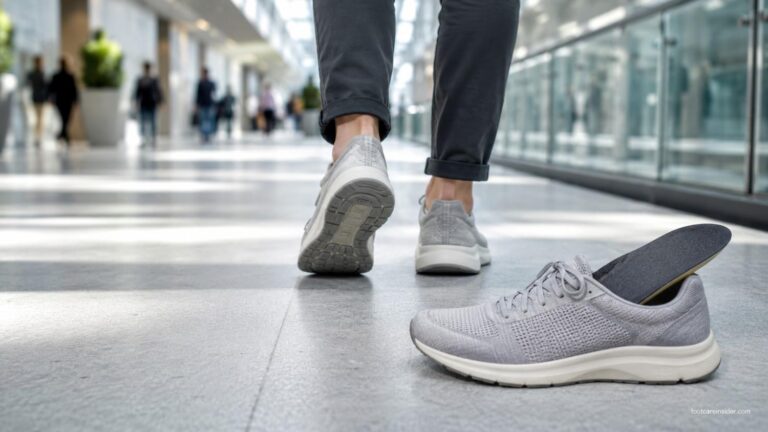
the best insoles for running is supposed to feel freeing. But if every run ends with aching arches, sore heels, or tight shins, something is off—and it’s often happening inside your shoes.
Many runners focus on the shoe itself but overlook what sits directly under their feet. The truth is, even high-quality running shoes can fall short when it comes to support, pressure distribution, and long-distance comfort. That’s where the right insoles for running can completely change the experience.
If you’ve ever felt like your shoes “bottom out” halfway through a run, or you notice discomfort building the longer you go, you’re not imagining it. Your feet are absorbing repetitive impact—hundreds to thousands of times per run—and without proper support, that stress adds up quickly.
The Real Problem Behind Running Discomfort
Running places repeated force through your feet, ankles, and lower body. Each step creates impact that travels upward, affecting not just your feet, but your knees, hips, and even your lower back.
The most common issues runners face include:
- Arch fatigue or collapse
- Heel pain from repeated impact
- Shin splints from poor shock absorption
- Knee strain caused by misalignment
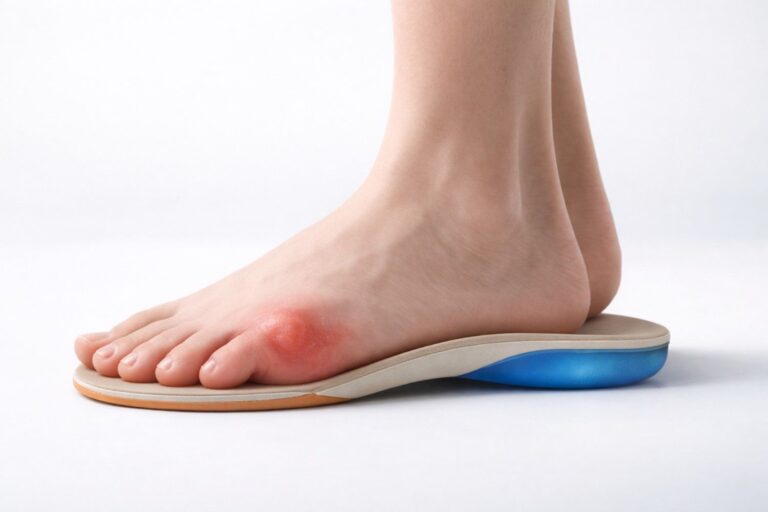
- Hot spots or pressure points inside the shoe
Over time, these small issues can turn into bigger problems. What starts as mild discomfort can become something that affects your performance—or stops you from running altogether.
And in many cases, the root cause is simple: lack of proper support inside the shoe.
Why Standard Running Insoles Fail
Most running shoes come with factory insoles. They look fine at first glance, but they’re designed for mass production—not performance.
Typical stock insoles are:
- Thin and compress easily
- Flat with little to no arch support
- Made from low-density foam
- Built to reduce cost, not improve biomechanics
They might feel comfortable when you first try the shoe on, but once you start running, they quickly lose structure. That means your foot begins to move in ways it shouldn’t—rolling inward, flattening out, or shifting unevenly.
This is where the right insoles for running step in—not just to cushion, but to guide and support your foot through each stride.
If you’re unsure how softness affects support, see Soft vs Firm Insoles for a deeper comparison.
What Actually Matters in Insoles for Running
Not all insoles are built the same. For running, you need a balance of support, cushioning, and durability—not just one of these.
Here’s what to focus on:
1. Arch Support
Your arch plays a key role in absorbing impact and maintaining alignment. Without proper support, it can collapse under repetitive stress.
Look for:
- Low, medium, or high arch options based on your foot
- Structured support (not just soft foam)
- Materials that resist flattening over time
Proper arch support helps reduce fatigue and keeps your stride more efficient.
2. Cushioning (But Controlled)
Cushioning matters—but too much softness can actually work against you.
Good running insoles should:
- Absorb shock without collapsing
- Distribute pressure evenly
- Maintain responsiveness
Too soft → unstable
Too firm → uncomfortable
The goal is controlled cushioning that supports movement, not just softness.
3. Material Quality
Materials determine how long your insoles last—and how they perform under stress.
High-quality options include:
- EVA foam (lightweight and responsive)
- Polyurethane (durable and supportive)
- Gel inserts (for targeted shock absorption)
Cheap materials compress quickly, reducing both comfort and support.
4. Firmness & Stability
Running requires stability. Your foot shouldn’t be sliding or collapsing with each step.
Look for:
- Semi-rigid structure
- Heel stability
- Balanced flexibility
If your foot rolls inward, you may need more structured support—see Insoles for Overpronation for a deeper breakdown.
5. Durability Under Repetition
Walking and running are not the same. Running puts significantly more stress on your insoles.
A good pair should:
- Maintain shape over time
- Resist compression
- Handle repeated impact
Most running insoles last around 300–500 miles depending on usage.
How to Choose Insoles for Running (Simple Framework)
Instead of guessing, use this step-by-step approach:
Step 1: Identify Your Foot Type
- Flat feet → need structured arch support
- High arches → need cushioning + pressure distribution
- Neutral arches → need balanced support
Step 2: Understand Your Running Style
- Short runs → lighter cushioning is fine
- Long-distance → need durability + support
- Trail running → need stability and grip control
Step 3: Match to Your Pain Point
- Heel pain → focus on shock absorption
- Arch fatigue → prioritize support
- Shin splints → improve impact control
- Knee discomfort → focus on alignment
Step 4: Check Shoe Compatibility
Not all insoles fit all shoes.
Make sure:
- You remove the original insole
- There’s enough space inside the shoe
- The new insole doesn’t crowd your foot
Step 5: Consider Break-In Time
Some structured insoles feel different at first.
- Wear them for short runs initially
- Gradually increase usage
- Allow your foot to adjust
Mild discomfort at first is normal. Sharp pain is not.
Why the Right Choice Changes Everything
When you choose the right insoles for running, you’re not just improving comfort—you’re improving how your body handles movement.
Better support leads to:
- More efficient stride
- Reduced fatigue
- Lower injury risk
- More consistent performance
It’s a small upgrade that creates a noticeable difference over time.
Best Types of Insoles for Running (And Who They’re For)
Now that you understand what actually matters, the next step is choosing the right type of insole for your running style, foot structure, and comfort needs.
There isn’t one “perfect” option for everyone. The best insoles for running depend on how your feet behave under stress—and what kind of support your body needs over time.
Below are the five most effective categories, broken down clearly so you can choose with confidence.
1. Cushioned Running Insoles (Shock Absorption Focus)
Best for: Long-distance runners, hard surfaces, heel strikers
These insoles are designed to reduce impact stress. If your runs leave your feet feeling beaten up—especially on pavement—this type can make a noticeable difference.
Why they work:
- Absorb repetitive impact
- Reduce pressure on heel and forefoot
- Improve overall comfort on longer runs
Pros:
- Great for high-mileage runners
- Helps reduce fatigue
- Softer feel without being overly unstable
Limitations:
- Less structural support
- Not ideal for severe overpronation
- Can wear out faster depending on material
Comparison insight:
Compared to stability-focused insoles, these prioritize comfort over correction. If your feet don’t need alignment help, this is often enough.
2. Stability Insoles (For Overpronation Control)
Best for: Runners with flat feet or inward ankle roll
If your foot collapses inward when you run, stability insoles help guide it back into a more neutral position.
Why they work:
- Provide structured arch support
- Reduce inward rolling (overpronation)
- Improve alignment from foot to knee
Pros:
- Reduces injury risk linked to poor mechanics
- Supports long-term joint health
- Helps with shin splints and knee strain
Limitations:
- Firmer feel (less “soft comfort”)
- May require break-in time
- Can feel too rigid for neutral runners
Comparison insight:
Unlike cushioned insoles, these focus on control. If your issue is alignment—not impact—this is the better choice.
For deeper understanding, see Insoles for Overpronation.
3. High Arch Support Insoles
Best for: Runners with high arches or supination
High arches don’t absorb shock efficiently. That leads to concentrated pressure on the heel and forefoot.
Why they work:
- Fill the arch gap to distribute pressure
- Improve contact between foot and shoe
- Reduce strain on specific pressure points
Pros:
- Better pressure distribution
- Helps prevent arch fatigue
- Improves comfort on longer runs
Limitations:
- Too much support can feel intrusive
- Needs proper arch match to avoid discomfort
Comparison insight:
High arch insoles focus more on pressure distribution than motion control. They’re the opposite of flat-foot solutions.
For more details, see Insoles for High Arches .
4. Performance Insoles (Lightweight & Responsive)
Best for: Speed training, racing, athletic performance
These are built for runners who care about responsiveness and efficiency. They’re lighter, thinner, and designed to enhance movement rather than cushion it.
Why they work:
- Improve energy return
- Keep weight minimal
- Maintain natural foot motion
Pros:
- Ideal for tempo runs and races
- Doesn’t feel bulky inside the shoe
- Enhances ground feedback
Limitations:
- Less cushioning
- Not ideal for long-distance comfort
- Limited support for structural issues
Comparison insight:
Compared to cushioned insoles, these sacrifice comfort for performance. Best used when speed matters more than softness.
5. Maximum Support / Orthotic Insoles
Best for: Chronic pain, recurring injuries, severe alignment issues
These are the most structured option available. They’re designed to correct biomechanics and provide strong support under stress.
Why they work:
- Control foot motion aggressively
- Stabilize heel and arch
- Reduce strain across the kinetic chain
Pros:
- Strong correction for overpronation
- Helps with plantar fasciitis and joint pain
- Long-lasting durability
Limitations:
- Bulkier design
- Requires adjustment period
- May not fit all running shoes
Comparison insight:
These go beyond comfort—they actively correct movement. Ideal if basic insoles haven’t solved your problem.
How to Choose Between These Types
If you’re still unsure, simplify it:
- Pain from impact → cushioned insoles
- Foot rolling inward → stability insoles
- High arches → arch support insoles
- Performance focus → lightweight insoles
- Ongoing pain/issues → orthotic support
Matching the type to your actual problem is what makes the difference.
Frequently Asked Questions
Are insoles for running really worth it?
Yes. The right insoles can improve comfort, reduce injury risk, and make your runs more efficient—especially over longer distances.
How long do running insoles last?
Most last between 300–500 miles. If they feel flat or less supportive, it’s time to replace them.
Can I use the same insoles in different running shoes?
Yes, as long as the fit works. Many runners rotate one pair between multiple shoes.
Do insoles help with shin splints?
They can. Better shock absorption and alignment reduce stress on the lower leg. See Insoles for Shin Splints for more.
Should I remove the original insole?
In most cases, yes. Removing the factory insole improves fit and prevents overcrowding.
Final Verdict: Choosing the Right Insoles for Running
Running puts repeated stress on your body. Without the right support, small inefficiencies turn into discomfort—and eventually injury.
The best insoles for running aren’t just about softness. They’re about balance—between cushioning, structure, and durability.
If you want comfort, go cushioned.
If you need control, go structured.
If you’re chasing performance, go lightweight.
The right choice depends on your foot, your stride, and your goals.
But once you get it right, you’ll feel the difference almost immediately—longer runs, less fatigue, and better overall movement.
If your running form causes your feet to roll inward, check our guide on best insoles for overpronation to improve stability and prevent injuries.
Before choosing a pair, it’s worth understanding your foot type—this guide on how to choose insoles explains what actually matters.