How Flat Feet Lead to Back Pain
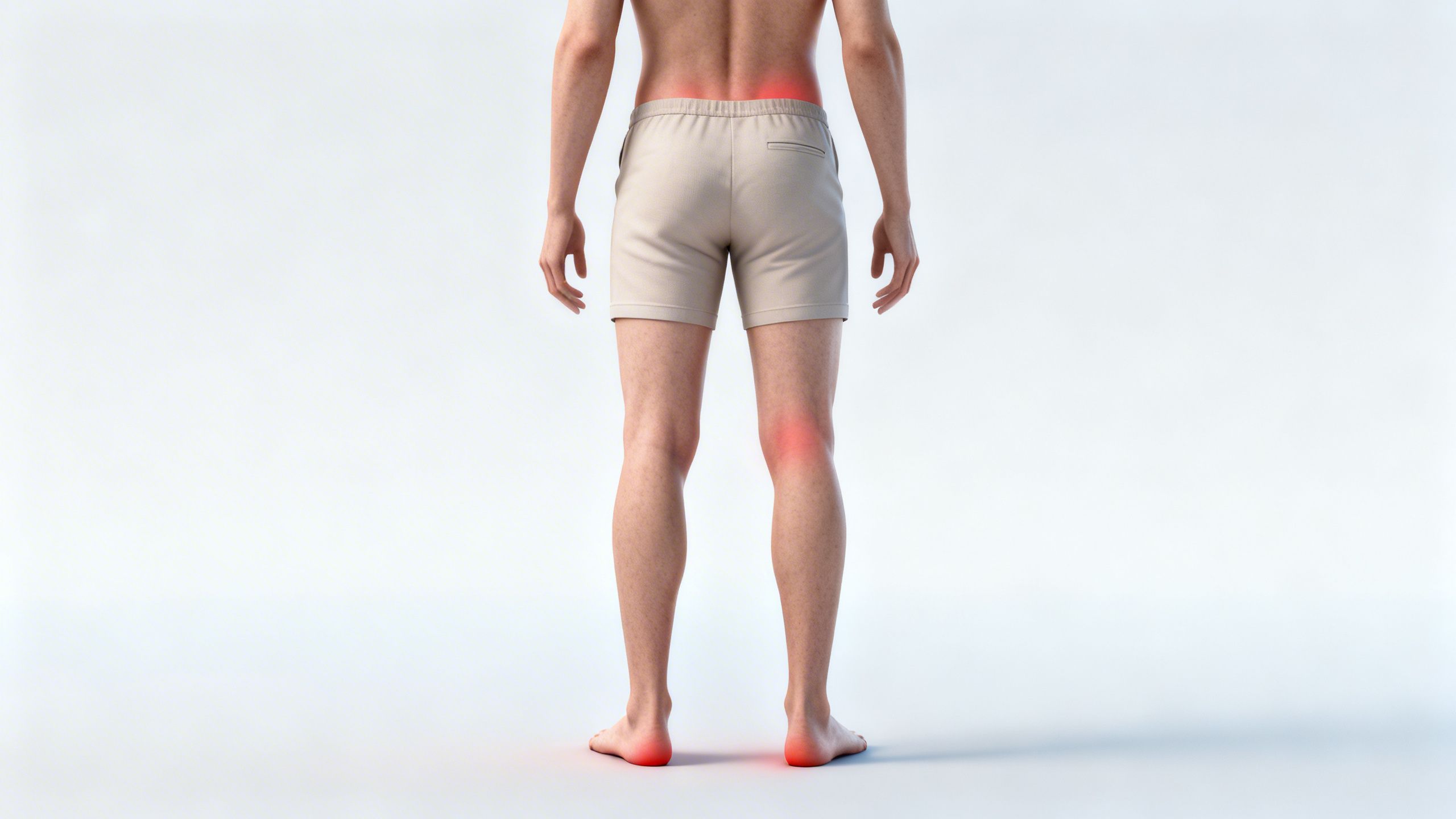
Quick answer: yes, flat feet can contribute to lower back pain. When the arch collapses, the foot rolls inward, and that changes the position of the ankle, knee and hip. The lower back then carries uneven load. It is not the cause for everyone, and back pain with numbness, weakness or pain that spreads down the leg needs a medical check. For many people, supportive footwear, a structured insole and some strengthening help.
Understanding the Connection
If you have flat feet, you may already know that standing or walking for long periods can leave your feet feeling tired or sore. But did you know that flat feet can also play a major role in causing back pain? Many people never make the connection between the arches of their feet and the alignment of their spine. Yet, the mechanics of your feet ripple all the way up your legs and into your lower back.
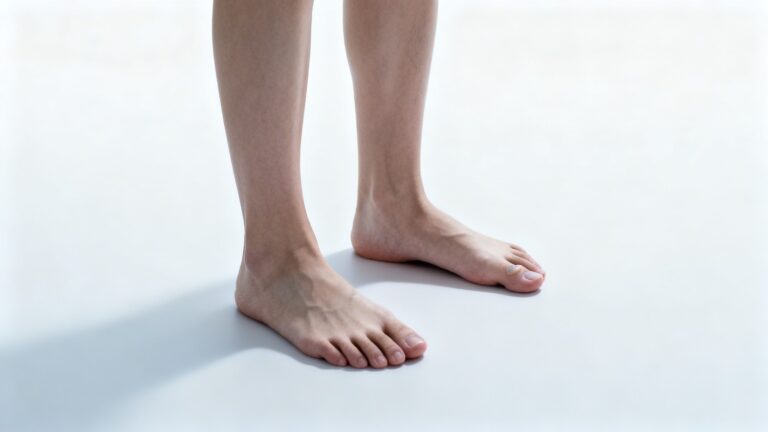
Flat feet, also called fallen arches, occur when the arch on the inside of your foot collapses or sits unusually low. In a normally structured foot, the arch acts as a natural shock absorber, distributing your body weight evenly and providing a spring-like response as you move. When that arch flattens, the foot rolls inward more than it should—a movement known as overpronation. Overpronation can subtly alter the alignment of your ankles, knees, hips, and spine. Over time, this misalignment may place uneven stress on muscles and joints, particularly in the lower back.
People with flat feet often first notice discomfort in the feet, but over weeks or months, that tension can climb upward. What starts as fatigue in the calves or tightness in the legs can evolve into achy or stiff sensations in the lower back. Understanding how and why this happens is crucial for preventing chronic discomfort.
For the full picture, see our complete flat feet guide.
How the Chain Works, Step by Step
- Arch lowers: the foot flattens as it takes weight.
- Ankle rolls inward: this is overpronation. See flat feet vs overpronation.
- Shin and knee rotate inward: the knee takes the twist.
- Hips and pelvis shift: the pelvis tilts a little, as covered in overpronation and hip alignment.
- Lower back compensates: muscles work harder to keep you upright, which can feel like a dull ache or tightness after standing or walking.
Root Causes of Back Pain from Flat Feet
Several factors explain why flat feet can lead to back pain. For some, genetics play a role: low arches or flexible feet may run in the family. Others develop flat feet over time due to weakened tendons or muscles that fail to support the arch adequately.
Foot injuries can also trigger arch collapse. Sprains, fractures, or ligament damage may destabilize the foot’s structure, leading to overpronation. Age and lifestyle factors are contributors as well. Tendons naturally lose elasticity with age, and excess body weight places extra strain on the arches. Poor footwear—shoes that lack proper arch support or cushioning—can accelerate misalignment and make symptoms worse.
When the arches collapse, the entire lower body adjusts. The ankles roll inward, the knees rotate slightly, and the hips shift. These subtle movements are often unnoticed at first, but the spine bears the consequences. Uneven forces across the pelvis can strain muscles in the lower back, creating tightness, fatigue, and sometimes chronic pain.
The same pattern can reach the hips too; read can flat feet cause hip pain to see how that works.
Risk Factors
Not everyone with flat feet experiences back pain, but certain factors increase the likelihood:
- High-impact activity: Running, basketball, or repetitive sports place stress on the legs and spine if foot alignment is off.
- Extended standing: Jobs that require standing for hours can exacerbate misalignment-related tension.
- Weak core or leg muscles: Muscles that normally support posture may fail to compensate for flat feet.
- Previous injuries: An old ankle, knee, or hip injury can amplify misalignment effects.
Understanding your personal risk factors can help you recognize early signs before they escalate into more severe discomfort.
How Symptoms Differ
Back pain caused by flat feet often has unique characteristics. Unlike pain from a slipped disc or muscle strain, flat-foot-related back pain typically:
- Worsens after prolonged standing or walking
- Feels diffuse across the lower back rather than localized
- Appears gradually over weeks or months
- May be accompanied by leg fatigue, calf tightness, or knee discomfort
Some people also notice a subtle imbalance in posture, leaning slightly to one side or noticing uneven wear on shoes. Paying attention to these patterns can help identify the root cause rather than treating only the symptoms.
Is It Your Feet or Your Spine? Clues
| Clue | More likely feet-related | More likely spine-related |
|---|---|---|
| Pattern | Worse after standing or walking, better after sitting with feet up | Worse bending, lifting or sitting for long |
| Feeling | Diffuse dull ache across the lower back | Sharp, localised pain |
| Other symptoms | Tired arches, calves or knees | Numbness, tingling or pain down the leg |
| Shoes | Uneven or inner-edge wear | No link to footwear |
This is a guide, not a diagnosis. If you are unsure, or the right-hand column fits you, see a doctor or physiotherapist first. Our page on how insoles improve posture explains how support changes alignment.
When It Becomes Serious
Mild tension or fatigue in the lower back may not require medical intervention. However, you should seek professional evaluation if:
- Pain persists beyond a few weeks
- Discomfort interferes with daily activities
- Swelling, numbness, or tingling develops in the legs
- The back feels unstable or weak
Early attention can prevent chronic problems and protect your spine from long-term wear caused by misaligned mechanics.
Treatment Options: Exercises, Mobility and Gait
Addressing back pain from flat feet begins with non-invasive approaches. The goal is to improve foot alignment, relieve stress on the spine, and strengthen supporting muscles.
Strengthening Exercises
Targeted exercises can stabilize your arches and reduce compensatory movements up the legs and into the back. Consider:
- Foot arch exercises: Towel scrunches, toe curls, and “short foot” exercises activate small muscles that support the arch.
- Calf and ankle strengthening: Raises, stretches, and resistance exercises improve lower leg stability.
- Hip and glute engagement: Clamshells, bridges, and leg lifts help maintain proper pelvic alignment.
Mobility Work
Limited ankle flexibility can exacerbate overpronation and place extra strain on the spine. Gentle stretches of the calves, Achilles tendon, and plantar fascia can ease tension and promote proper gait mechanics.
Posture and Gait Awareness
Many people with flat feet unconsciously develop walking patterns that worsen back stress. Practicing conscious alignment—keeping the spine neutral and stepping evenly—can reduce strain over time.
When Insoles Help
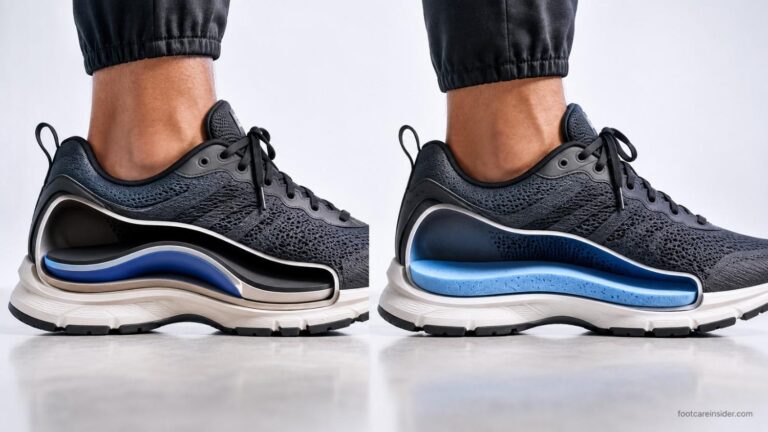
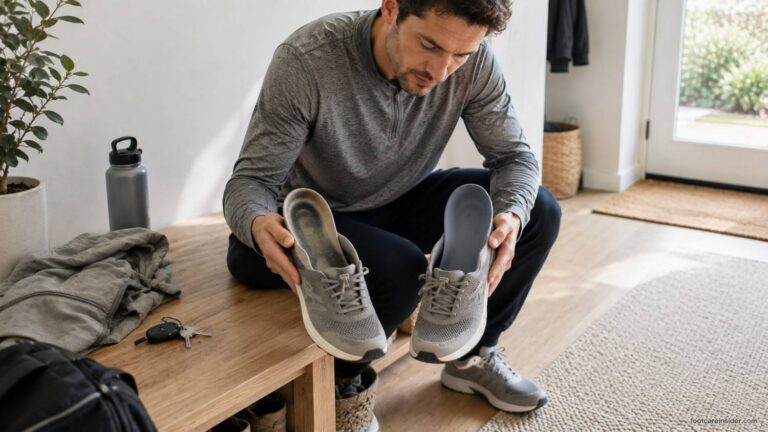
Supportive insoles are one of the most effective tools for managing flat-foot-related back pain.
- Arch support: Guides the foot into a neutral position, reducing overpronation.
- Cushioning: Absorbs impact during walking or standing.
- Stability: Helps align the ankles, knees, and hips, which in turn reduces lower back tension.
Over-the-counter insoles can be sufficient for many people, while custom orthotics may benefit those with severe arch collapse or persistent discomfort.
When Medical Care Is Required
While many people find relief with exercises and supportive insoles, professional care is necessary if:
- Pain persists for several weeks despite home interventions
- Discomfort limits daily activities or mobility
- Numbness, tingling, or radiating pain develops in the legs
- Previous injuries or chronic conditions complicate alignment
A podiatrist or orthopedic specialist can assess your gait, foot structure, and spine alignment. Imaging may be used to evaluate joints, ligaments, and soft tissues if needed. Early evaluation prevents long-term problems and ensures the right treatment plan.
Insoles to Try for Back Strain from Flat Feet
For back strain linked to flat feet you want support that holds alignment and cushioning that softens each step.
Structure with cushioning: Powerstep Maxx Support – a firm arch with extra cushioning on top, good for long standing and walking days.
Balanced everyday option: Moderate Support Insoles – a gentler arch and balanced cushioning if firm support feels too much.
Prevention Strategies
Even after symptoms improve, prevention is key. Strategies include:
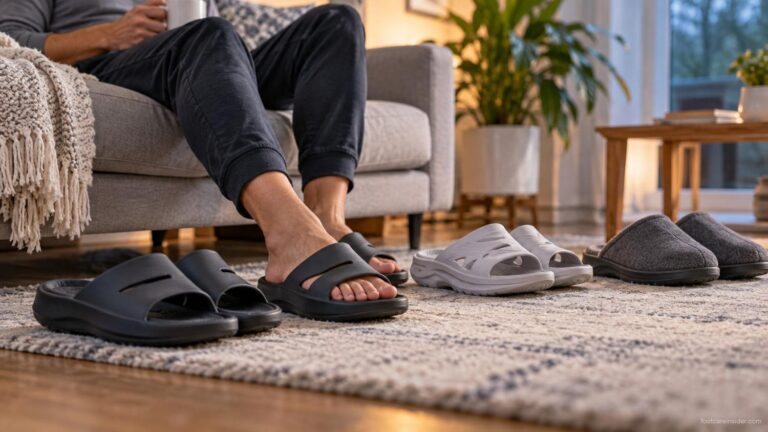
- Supportive Footwear
Choose shoes with proper arch support, firm midsoles, and sufficient cushioning. Avoid shoes that exacerbate pronation. - Targeted Strength Training
Continue exercises for feet, calves, hips, and core to maintain alignment and reduce recurring strain. - Gradual Activity Progression
Increase walking, running, or standing duration gradually to avoid sudden overload. - Weight Management
Maintaining a healthy weight reduces pressure on arches and spine. - Use Insoles When Needed
Even after initial relief, wearing supportive insoles can protect the lower back during long periods of activity.
Pregnancy can also change your arches, so read flat feet during pregnancy if that applies to you.
Frequently Asked Questions
Can flat feet cause permanent back damage?
Not usually. Flat feet do not automatically damage the spine, but chronic misalignment can increase stress on muscles and joints. Early intervention prevents long-term issues.
Do all people with flat feet experience back pain?
No. Many with flat feet never develop symptoms. Pain is more likely when overpronation is severe or compounded by other risk factors.
Are exercises enough to fix flat feet?
Exercises improve muscle support and stability but may not fully change the arch structure. Combining exercises with insoles or orthotics offers the most consistent relief.
Can children with flat feet develop back pain later?
Flexible flat feet in childhood often resolve naturally. Persistent flat feet may contribute to alignment issues in adulthood if unaddressed.
For a deeper understanding, you can browse all foot care guides here.
Can flat feet cause lower back pain?
Yes, they can contribute. A collapsed arch changes the position of the ankle, knee and hip, and the lower back picks up the extra load. It is one possible cause among several, so persistent or severe pain should be checked.
Can insoles help lower back pain from flat feet?
They can help when the back pain is linked to foot alignment. Arch support limits the inward roll and cushioning reduces impact. Insoles work best together with supportive shoes and strengthening for the feet, hips and core.
How long does it take for back pain to improve with insoles?
Give new insoles one to two weeks to adjust to, wearing them for a few hours at first. Improvement in back symptoms often takes several weeks. If there is no change or the pain gets worse, speak to a professional.
Educational Conclusion
Flat feet affect more than your feet—they influence the entire kinetic chain, including your lower back. By understanding the mechanics, you can take proactive steps to prevent discomfort, improve posture, and protect your spine.
Conservative strategies—strengthening, stretching, gait awareness, supportive footwear, and insoles—often provide significant relief. For persistent or severe symptoms, medical evaluation ensures safe and effective management.
Addressing flat feet early creates a foundation for long-term musculoskeletal health, allowing you to remain active with reduced risk of back pain.
Struggling with uneven foot movement? These insoles for overpronation can help correct alignment and reduce strain.
You may also benefit from insoles for flat feet to improve arch support and overall balance.