Ball of Foot Pain: Causes, Symptoms and Treatment
Pain in the ball of the foot can make ordinary walking surprisingly uncomfortable. You may notice tenderness beneath the toes, a burning or aching sensation after a long day, or sharp pressure when you push off during a step. It can appear after spending more time on your feet, increasing exercise, wearing a different pair of shoes, or simply repeating the same walking pattern day after day. The area is under particular stress because the forefoot helps support your weight and transfer pressure as you move.
Ball of foot pain can have several possible causes, including repeated pressure on the forefoot, footwear that does not fit well, increased walking or running, and irritation of tissues around the metatarsals and toe joints. The location and timing of the pain are useful clues, but they do not identify one specific cause on their own.
Quick answer: pain in the ball of the foot usually comes from repeated pressure under the front of the foot, often made worse by narrow or worn shoes, hard floors or a jump in walking or running. Roomier shoes, cushioning and gradually building activity help many people. Pain that is sharp, in one spot, or does not improve needs a professional check.
What Is the Ball of the Foot?
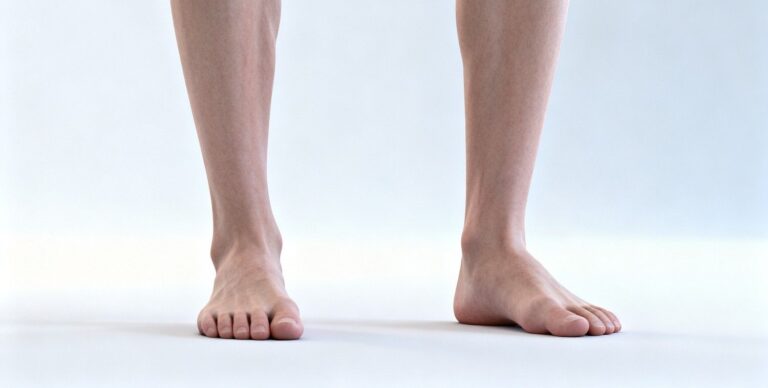
The ball of the foot is the area on the underside just behind the toes. It contains the heads of the metatarsals, the long bones connecting the middle of the foot to the toes, along with joints, ligaments, tendons, nerves, and soft tissue that help absorb and transfer load during movement.
If the pain mostly shows up as you walk, read bottom of foot pain when walking. For products aimed at this area, see best insoles for forefoot pressure.
During a normal step, pressure gradually moves forward through the foot. Near the end of the step, the forefoot helps push the body away from the ground. This makes the area important for walking, climbing stairs, running, and other activities that repeatedly load the front of the foot.
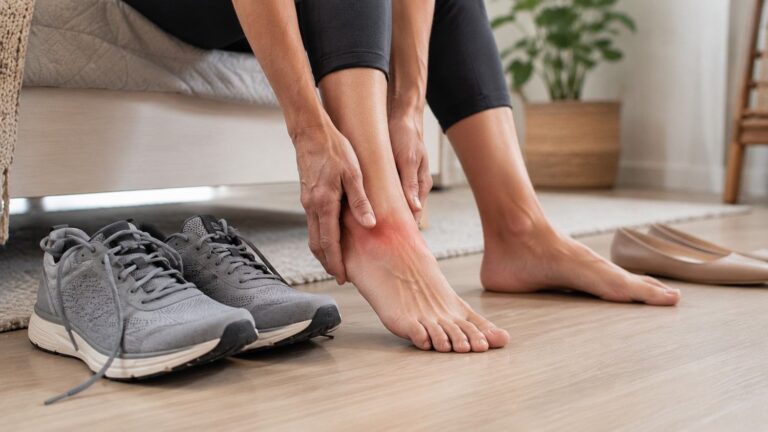
Because so many structures are concentrated in a relatively small area, irritation can feel quite specific. Some people describe a bruised sensation under one spot, while others experience broader aching or burning across several parts of the forefoot.
If you are unsure whether the discomfort is truly centered under the forefoot or somewhere else on the foot, the Interactive Foot Pain Tool can help you identify the location and explore related information.
Why Does the Ball of the Foot Hurt?
One common reason is simply repeated pressure. Standing and walking shift body weight onto the forefoot, and that load increases during activities involving repeated push-off.
A sudden increase in activity can make this more noticeable. Someone who starts walking much farther each day, adds regular running, or spends extra hours standing at work may place more load through the metatarsal area than usual.
Footwear can contribute as well. Shoes that are narrow across the forefoot may squeeze the toes together or concentrate pressure beneath the front of the foot. High heels can also shift more body weight toward the forefoot.
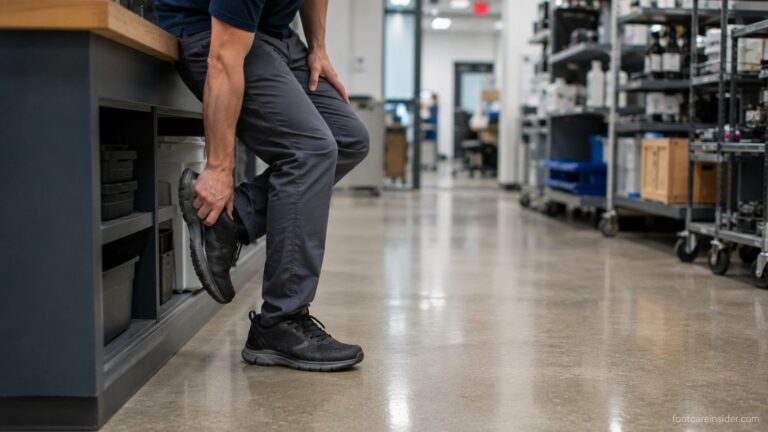
The surface you walk on matters too. Firm flooring does not automatically cause pain, but long periods spent walking or standing on hard surfaces can add to overall foot fatigue and make existing forefoot discomfort more noticeable. Why Hard Floors Cause Foot Fatigue explains how prolonged exposure to firm surfaces can increase the workload on the feet.
Common Causes of Forefoot Pain
There are several possible explanations for pain in this area, and the symptoms can overlap.
Overuse is one of the simpler possibilities. When walking, running, or standing increases faster than your usual workload, the tissues around the forefoot may become irritated. The discomfort may begin as mild tenderness and become more noticeable toward the end of the day.
Poor shoe fit is another frequent contributor. A shoe with a narrow toe box can restrict natural toe movement and increase pressure around the metatarsal heads. Shoes that are too short can create additional pressure toward the front of the foot, especially during longer periods of walking.
A third possibility is irritation involving the structures between the metatarsals. Some people describe this as burning, tingling, or a sensation that something is stuck beneath the foot, although these symptoms can have more than one explanation.
In some cases, pain may also be related to a stress injury or another problem involving the bones or joints. That becomes more important to consider when the pain is very localized, persistent, or increasingly difficult to tolerate during weight-bearing activity.
How Walking and Standing Can Trigger the Pain
The activity that brings on your symptoms can provide a useful clue.
If pain appears after several hours of walking, repeated forefoot loading may be contributing. The problem can be especially noticeable during activities that require frequent push-off, such as brisk walking, running, stairs, or repeated uphill movement.
Standing creates a different pattern. Even when you are not taking steps, your feet continue supporting your body weight. If you spend a long shift standing on a hard surface, pressure under the forefoot can gradually become more noticeable.
The timing matters. Pain that is mild in the morning but becomes stronger after a full day on your feet suggests a different pattern from pain that begins with the first few steps.
It is also worth noticing whether the discomfort occurs in one foot or both. A change that affects both feet after a large increase in activity may point toward workload, while sudden, highly localized pain in one foot deserves more careful attention.
For people whose discomfort is associated with arch strain or flat-foot-related pressure, Flat Feet Pain Relief provides more context on that particular pattern.
How Shoes Can Increase Forefoot Pressure
The shape of your footwear can strongly influence how the ball of the foot feels.
A shoe that narrows toward the toes may leave less room for the forefoot to spread naturally during walking. If the upper presses down over the front of the foot, the combination of compression and repeated loading can become increasingly uncomfortable.
Shoe cushioning also matters, but softer does not automatically mean better. A very soft sole may feel pleasant initially, while a firmer and more supportive setup may distribute pressure differently during walking.
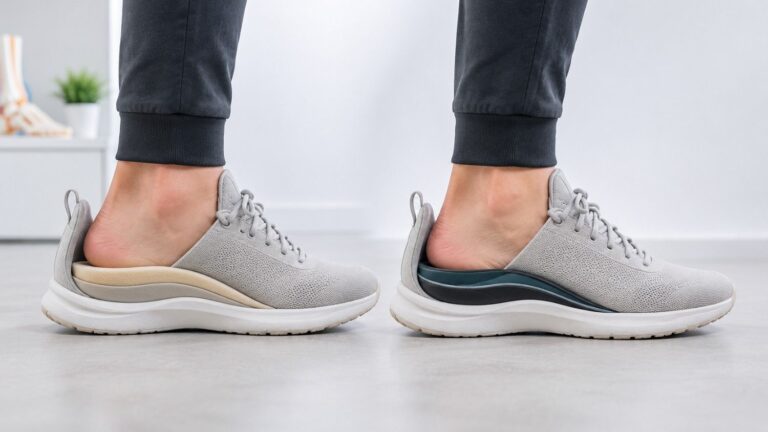
Insoles can change the feel underneath the foot too. Depending on their shape and thickness, they may alter how pressure is distributed around the heel, arch, and forefoot. They can also reduce available room inside the shoe, which is important if your footwear already feels tight.
The most useful question is therefore not simply whether an insole is cushioned. It is whether the shoe, insole, and foot work comfortably together during the activity that triggers the pain.
Early Signs Versus a More Persistent Problem
Mild forefoot discomfort after an unusually long walk or demanding day may settle when the workload is reduced. Early on, you might notice tenderness, pressure, or a bruised feeling that appears only after activity.
A more persistent pattern is different. Pain that starts earlier in the day, becomes easier to trigger, or continues after you stop walking deserves more attention.
Also watch for swelling, bruising, numbness, tingling, or a very specific tender point. Difficulty bearing weight is another sign that the problem should not simply be dismissed as ordinary foot fatigue.
When symptoms are changing rather than improving, the goal is to understand the reason for the pain instead of continually adjusting footwear without knowing what is driving it.
What You Can Try at Home First
If the pain started after more walking, running, standing, or another clear increase in activity, reducing that load temporarily may help. Avoid repeatedly pushing through an activity that consistently makes the forefoot more painful.
Footwear is worth checking as well. Choose shoes with enough room across the toes and forefoot, and avoid pairs that squeeze the front of the foot. For longer walks or work shifts, a comfortable sole can also make the overall load feel more manageable.
When symptoms improve, increase activity gradually rather than returning immediately to the previous level.
Can Insoles Help With Ball of Foot Pain?
An insole may change how pressure is distributed under the forefoot, but it is not appropriate for every cause of pain.
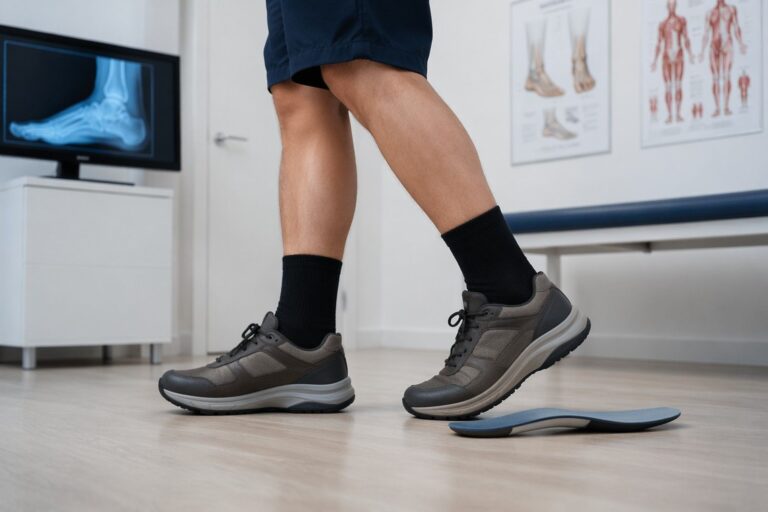
A cushioned insole may make walking on firm surfaces feel more comfortable for some people. A more structured design can change how the foot is supported, but a thick or poorly fitted insole can also reduce space inside the shoe and increase pressure toward the front.
Fit should therefore come before adding more support. The insole should sit securely inside the shoe without pushing the foot upward or making the toe area noticeably tighter.
Our picks: If you want to try an insole for forefoot pressure, these are two we would start with. More options are in best insoles for ball of foot pain.
Cushion Insoles – Extra shock absorption under the front of the foot for long walks and hard floors.
SOLE Active Thin – A low-profile insole for snug shoes, where added thickness would crowd the toes.
When Should Ball of Foot Pain Be Checked?
Persistent or worsening pain deserves professional assessment rather than repeated attempts to manage it through footwear changes alone.
It is particularly important to seek appropriate care when pain follows an injury, when there is significant swelling or bruising, when one very specific area remains tender, or when putting weight on the foot becomes difficult.
Numbness, tingling, or pain that continues even when you are no longer walking also deserves attention. Because several different structures can produce similar symptoms, an examination may be needed to determine what is actually causing the problem.
How to Reduce Forefoot Stress Over Time
The simplest prevention strategy is to manage changes in activity. If your walking distance, running, standing time, or work demands increase, give your feet time to adapt rather than making a large jump all at once.
Footwear should also be replaced when it becomes worn, compressed, or noticeably less comfortable. Check the toe area regularly because a shoe that has become restrictive can increase pressure in the same area repeatedly.
If you spend long periods standing or walking on firm flooring, changing position and taking reasonable breaks can help reduce the accumulated load during the day.
Common Questions
Why does the ball of my foot hurt when I walk?
Repeated pressure under the forefoot can cause discomfort, especially after increases in walking, running, or standing. Shoe fit and the amount of load placed through the metatarsal area can also influence symptoms.
Can tight shoes cause ball of foot pain?
Yes. Shoes that are too narrow or short can increase pressure around the forefoot and toes. The problem may become more noticeable after several hours of walking.
Should I use cushioned insoles for forefoot pain?
Cushioning may help some people by making repeated contact with the ground feel more comfortable. However, the insole must fit the shoe properly and should not reduce toe room.
How long does ball of foot pain take to improve?
That depends on the underlying cause and whether the activity or footwear contributing to it is changed. Pain that persists, worsens, or repeatedly returns should be assessed rather than relying on a fixed recovery timeframe.
Can walking too much cause pain in the ball of the foot?
A sudden increase in walking or other repetitive activity can increase the load through the forefoot. Symptoms may become more noticeable as the day progresses or after several days of increased activity.
Why does the ball of my foot hurt in the morning?
Stiffness and tenderness after a night of rest can come from irritated tissue around the forefoot and often eases as you move. It has several possible causes, so if it keeps happening or gets worse, have it checked.
When the Pain Keeps Coming Back
Ball of foot pain is best approached by looking at the whole pattern: activity, footwear, surface, and where the pressure is concentrated. Mild discomfort after an unusually demanding day may settle with reduced load and better-fitting footwear, but recurring or worsening pain deserves more careful attention.
The most useful approach is to reduce unnecessary forefoot pressure, return to activity gradually, and have persistent symptoms assessed when they do not settle.