How Insole Firmness Affects Foot Support
If you’ve ever compared different insoles, you’ve probably noticed that some feel soft and cushioned while others feel much firmer under your feet. It’s easy to assume that a softer insole is always more comfortable or that a firmer one automatically provides better support, but in reality, firmness affects your feet in several different ways.
Insole firmness influences how your feet distribute pressure, how stable they feel during walking, and how much support they receive throughout the day. The right level of firmness depends on factors such as your foot shape, activity level, footwear, and the type of support you need. Understanding these differences can help you make better choices without assuming that one firmness level is suitable for everyone.
What Does Insole Firmness Mean?
Firmness describes how much an insole compresses under body weight.
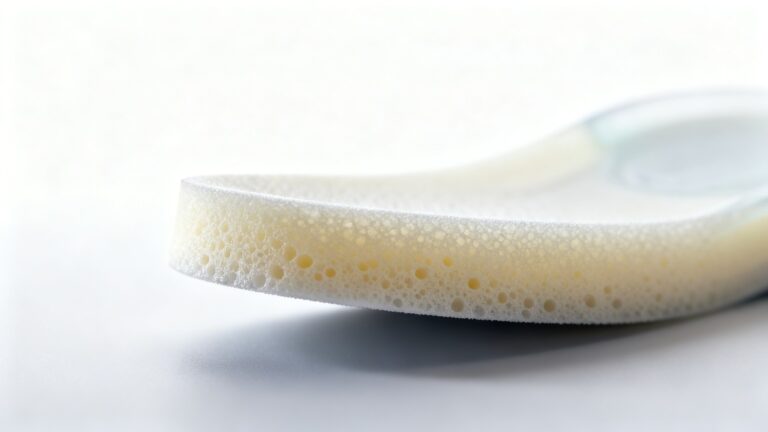
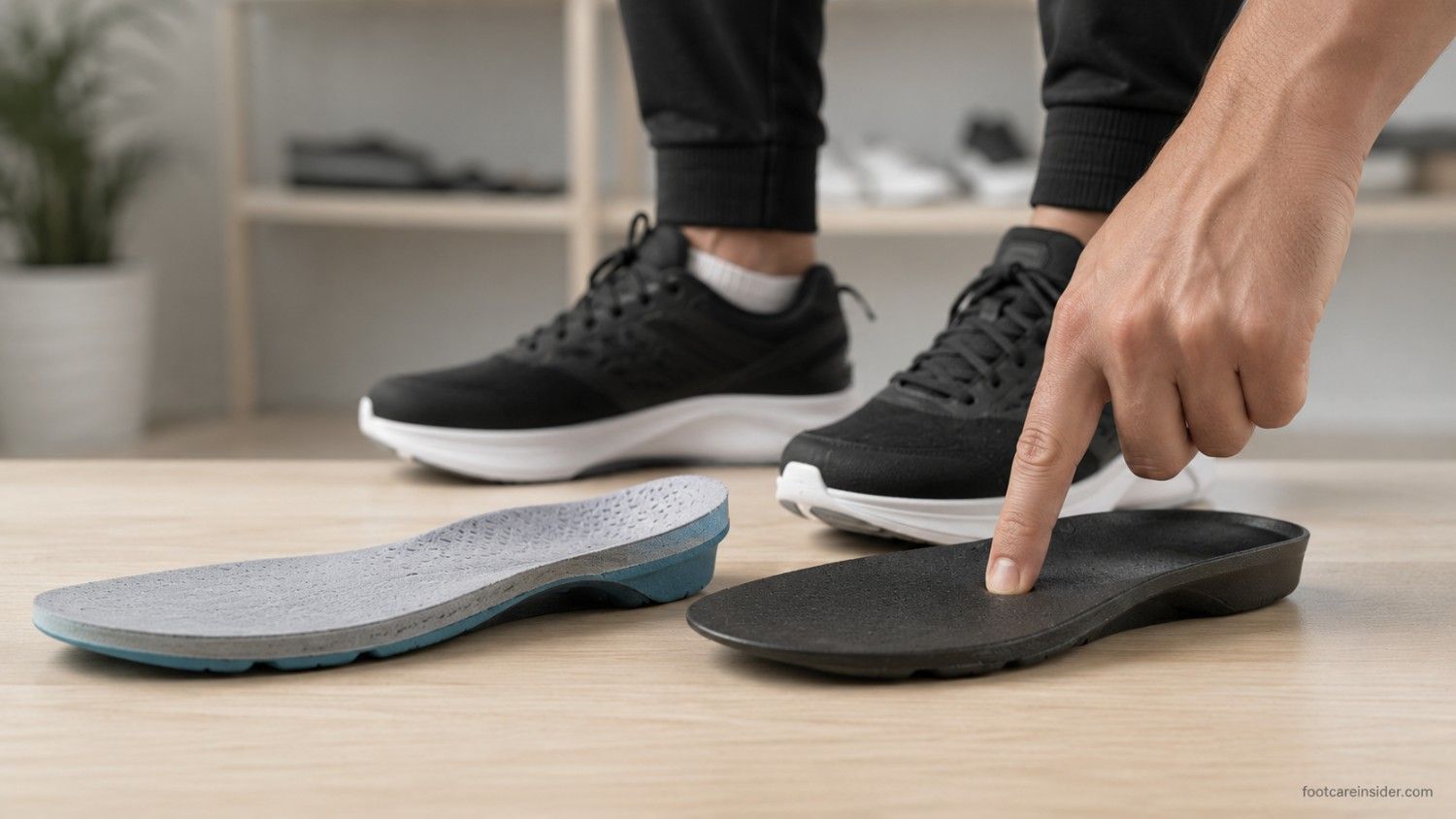
A soft insole compresses more easily when pressure is applied, allowing your foot to sink slightly into the material. Firmer insoles resist compression, helping maintain their shape while supporting the foot more consistently.
If you prefer a softer feel, see the best memory foam insoles.
Firmness is different from thickness. A thick insole can still feel relatively soft, while a thinner insole may provide firm structural support through denser materials.
The goal is not simply to create a softer or harder surface but to manage how forces move through the foot during standing, walking, and other daily activities.
Readers who want a broader understanding of how support works throughout the foot may find How Insoles Support Your Arches helpful.
How Firmness Changes Foot Support
Every step places several times your body weight through your feet. Insoles help manage these forces by influencing how pressure is distributed and how the foot moves inside the shoe.
A softer insole generally allows more compression, which may create a plush feeling underfoot. This can improve immediate comfort, particularly when walking on hard flooring or standing for shorter periods.
A firmer insole compresses less, allowing it to maintain its shape under repeated loading. Instead of focusing primarily on cushioning, it helps stabilize the foot and distribute pressure more consistently over time.
Neither approach is inherently better. Each provides different advantages depending on the person’s foot mechanics and daily activities.
Why Soft Insoles Feel Different
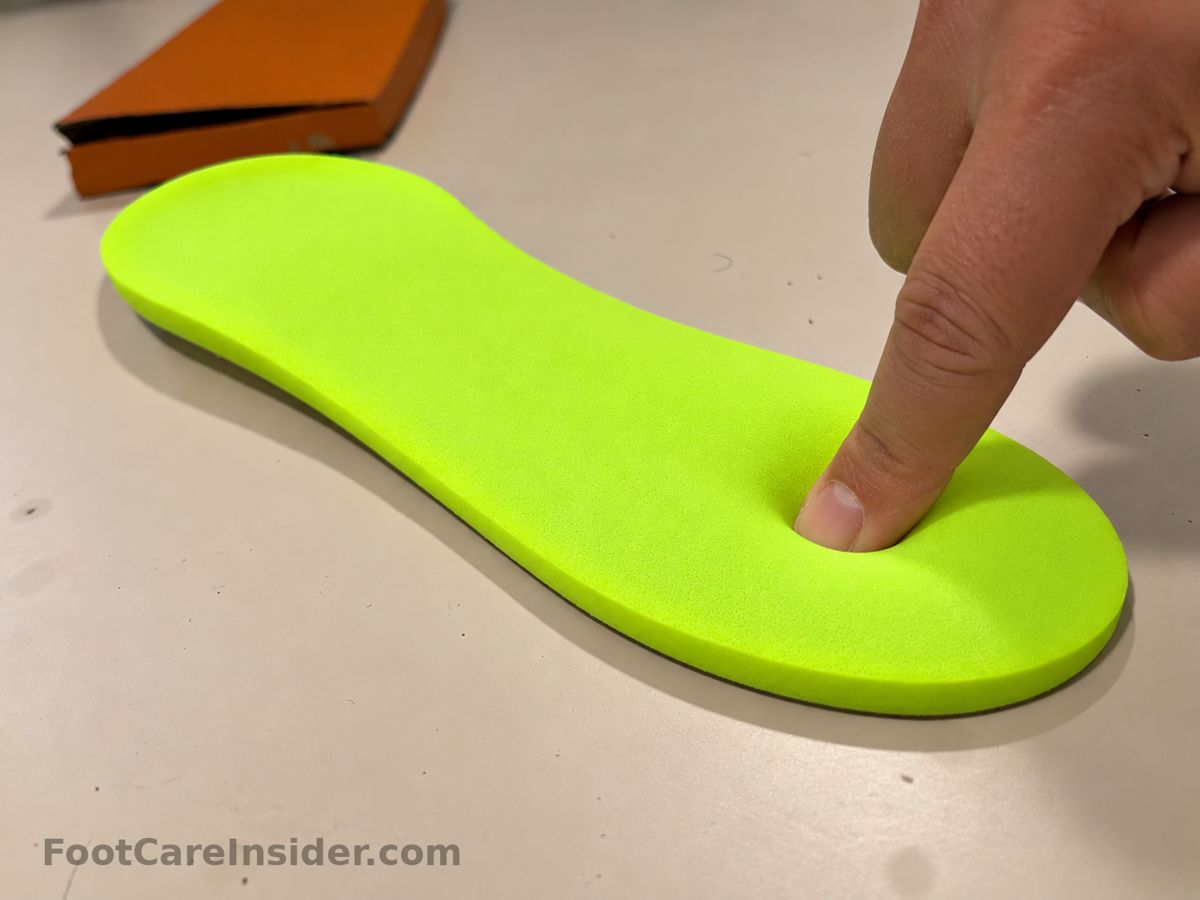
Soft insoles are often made from memory foam, softer EVA foam, gel, or similar cushioning materials.
Because these materials compress more easily, they can reduce the feeling of impact during walking and standing. Many people notice immediate comfort when putting on shoes fitted with softer insoles.
Soft insoles may be particularly appreciated by people who:
- Walk on hard indoor flooring.
- Spend moderate amounts of time standing.
- Prefer a cushioned feel.
- Want additional comfort inside casual footwear.
However, softer materials can gradually compress throughout the day, especially during long periods of standing. As the material becomes compressed, it may provide less consistent support than it did when first worn.
Why Firmer Insoles Feel More Supportive
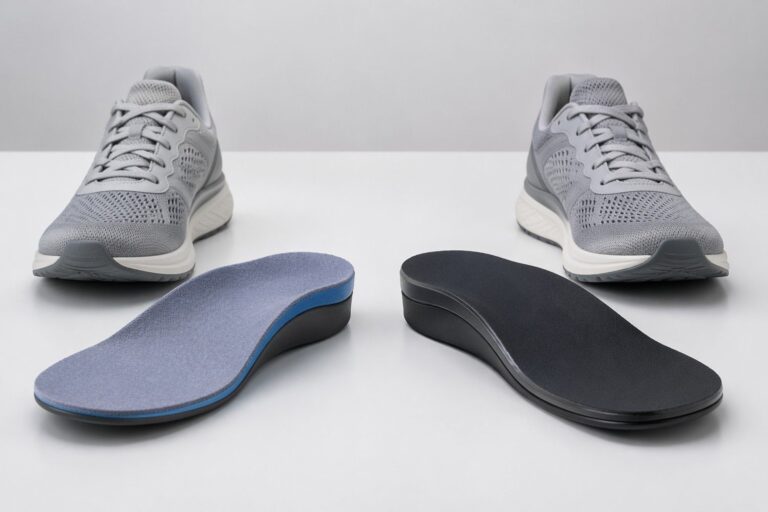
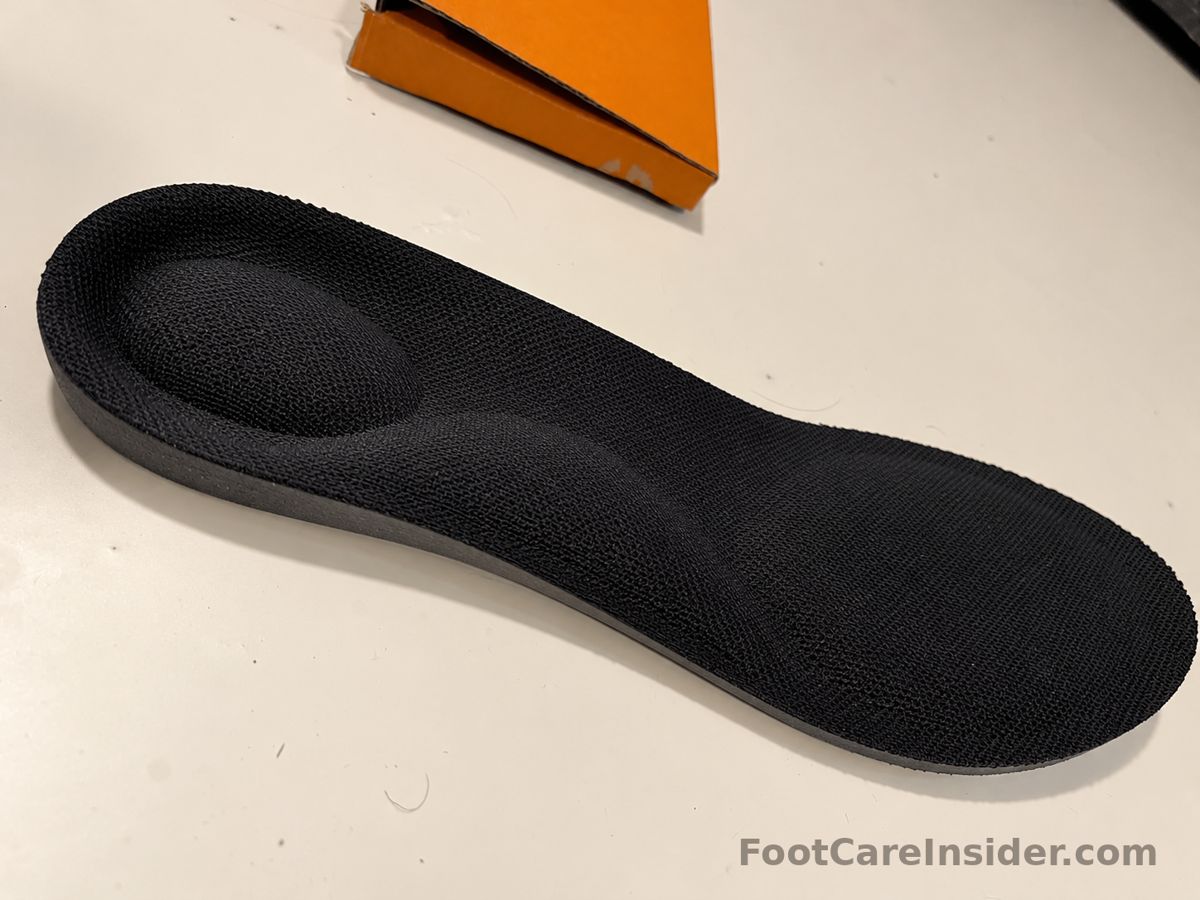
Firmer insoles are designed to maintain their structure under repeated loading.
Instead of allowing the foot to sink into the material, they provide a more stable platform that supports the natural shape of the foot during movement. This may improve overall stability for some people, particularly during longer periods of standing or walking.
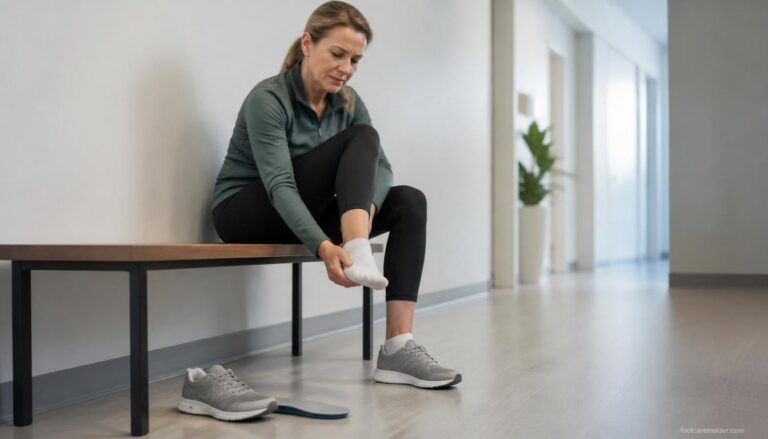
Because firmer insoles resist compression, some users notice that they feel less comfortable initially. In many cases, this sensation reflects a different distribution of pressure rather than a problem with the insole itself.
People adjusting to supportive insoles sometimes wonder whether temporary discomfort is normal. Our guide to Why Do Insoles Hurt My Arches? explains why this adjustment period can occur.
Daily Activities Can Change Which Firmness Feels Best
The amount of time you spend on your feet often influences how different firmness levels feel.
Someone who works in an office and walks mainly on carpet may prefer a softer insole because cushioning is the primary concern.
A nurse, warehouse employee, retail worker, or teacher who spends eight to twelve hours standing may discover that a firmer insole provides more consistent support as softer materials gradually compress throughout the day.
Walking distance also matters. During short walks, softness may feel pleasant, while longer periods of walking sometimes highlight the benefits of improved stability and pressure distribution.
This is one reason why people performing the same job may have completely different preferences for insole firmness.
Factors That Influence the Right Firmness
Several individual factors determine which level of firmness may feel most comfortable.
Foot shape is one of the most important considerations. People with flat feet, high arches, or different walking patterns often experience pressure in different areas of the foot.
Body weight also influences how much an insole compresses. A material that feels moderately firm for one person may feel considerably softer for someone who places greater force on the insole throughout the day.
Footwear makes a difference as well. Running shoes, work shoes, hiking boots, and casual sneakers all interact differently with the insole placed inside them.
Because of these variables, comfort is rarely determined by firmness alone.
Readers comparing overall comfort characteristics often explore Soft vs Firm Insoles to understand how different materials perform in everyday situations.
When Firmness Can Become a Problem
An insole should feel supportive, not painful.
If an insole is too soft for your needs, it may compress quickly, allowing the foot to move more than intended and reducing consistent support during prolonged standing or walking.
On the other hand, an excessively firm insole may create uncomfortable pressure points if it does not match your foot shape or shoe properly.
Warning signs that an insole may not be providing appropriate support include:
- Persistent arch discomfort.
- Heel pain that worsens with use.
- Pressure beneath the ball of the foot.
- Shoes feeling unstable during walking.
- Ongoing discomfort despite giving your feet time to adapt.
Choosing the correct firmness is ultimately about finding an appropriate balance between cushioning, stability, and pressure distribution rather than assuming that softer or firmer is always better.
Finding the Right Balance
There is no universally “best” insole firmness because every foot responds differently to pressure and support.
A softer insole may feel more comfortable immediately, particularly for casual walking or shorter periods of standing. A firmer insole, however, often provides more consistent support during long workdays or extended walking because it maintains its shape under repeated loading.
Many modern insoles are designed to combine both characteristics by using a cushioned top layer over a firmer supportive base. This allows the foot to experience initial comfort while still benefiting from structural support underneath.
The Role of Insoles in Foot Support
Insoles are intended to complement well-fitting footwear rather than replace it.
When the firmness matches your foot shape and activity level, an insole may help distribute pressure more evenly, improve stability, and reduce muscle fatigue during daily activities. The goal is not to eliminate all movement but to support the foot in a way that feels natural.
People who spend long hours standing often notice that the correct combination of shoe and insole provides greater comfort than changing either one alone.
When a Firmer or Softer Insole May Not Be Enough
Changing insole firmness will not solve every source of foot discomfort.
Persistent pain may indicate an underlying issue such as plantar fasciitis, tendon irritation, arthritis, nerve problems, or another medical condition that requires professional assessment.
If discomfort continues despite wearing supportive footwear and appropriately fitted insoles, or if symptoms become progressively worse, consulting a healthcare professional is recommended.
Preventing Problems When Choosing Insoles
Selecting the appropriate firmness begins with understanding your daily routine.
Helpful habits include:
- Choosing footwear that matches your activity level.
- Replacing insoles once they lose their original shape.
- Allowing time to adjust to firmer support.
- Avoiding overly worn shoes that reduce overall stability.
- Paying attention to areas where pressure consistently develops.
Comfort should improve over time rather than gradually becoming worse.
A softer insole generally emphasizes cushioning and impact reduction, while a firmer insole focuses more on stability and maintaining support under repeated loading. Many people ultimately prefer a combination of both characteristics rather than choosing one extreme.
Common Questions
Is a firm insole always better than a soft one?
No. Firmness alone does not determine how supportive or comfortable an insole will be. The right choice depends on your foot structure, footwear, activity level, and personal comfort preferences.
Why do firm insoles sometimes feel uncomfortable at first?
Firmer insoles change how pressure is distributed across the foot. During the first few days, your muscles and connective tissues may need time to adapt to the different level of support. Mild temporary discomfort often improves as your feet adjust.
Are soft insoles bad for long periods of standing?
Not necessarily. Soft insoles provide excellent cushioning for many people. However, if they compress significantly throughout the day, they may provide less consistent support during prolonged standing compared with firmer designs.
Can body weight affect how firm an insole feels?
Yes. Greater body weight increases the amount of force placed on an insole, causing softer materials to compress more. This means the same insole may feel different for different individuals.
Should running shoes and work shoes use the same insole firmness?
Not always. Running, prolonged standing, hiking, and everyday walking place different demands on the feet. The most comfortable firmness often depends on the activity as well as the design of the shoe itself.
Our picks: One pick for each firmness level.
Cushion insoles – Soft, shock-absorbing comfort.
Moderate support insoles – A middle ground between soft and firm.
Superfeet Green – A firm insole that holds its shape.
Conclusion
Understanding insole firmness explained goes beyond deciding whether soft or firm feels more comfortable. Firmness influences how your feet absorb pressure, maintain stability, and remain supported throughout daily activities.
For some people, softer cushioning provides the comfort they need during everyday walking. Others benefit from firmer support that maintains its shape during long hours of standing or repeated movement. The best choice depends on your individual foot mechanics, footwear, and lifestyle rather than one firmness level being universally superior.
Choosing an insole that matches your needs—and giving your feet time to adjust when appropriate—can help improve comfort while supporting healthier movement over the long term.