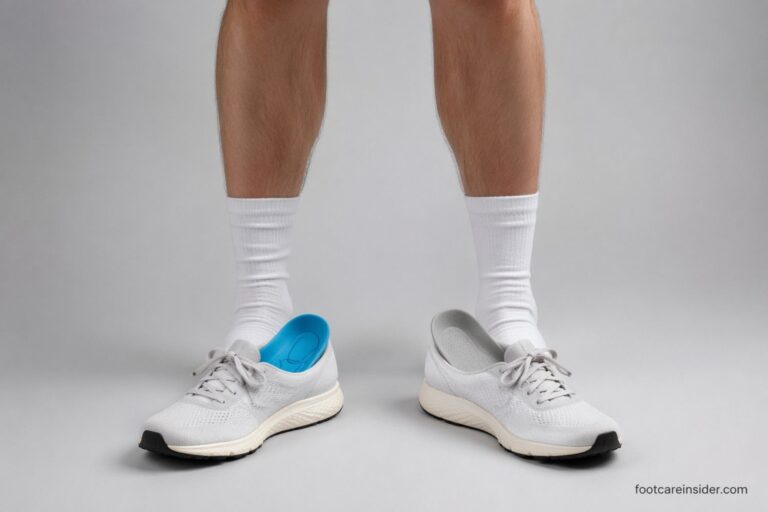
Why Arch Support Feels Uncomfortable at First
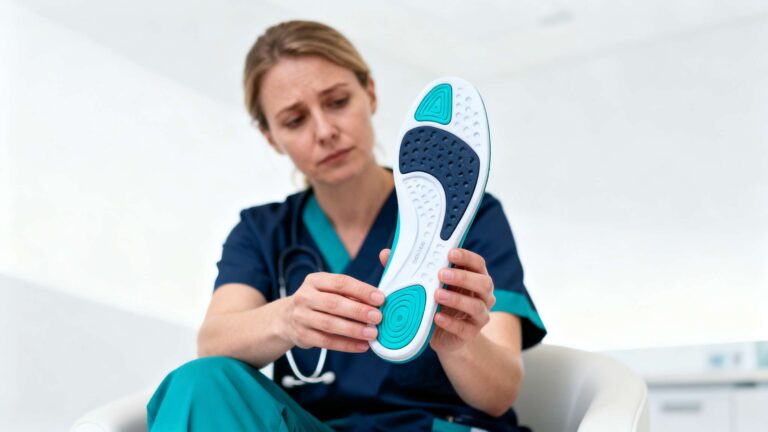
Many people expect arch support to feel instantly comfortable the moment they put new insoles or supportive shoes on. Instead, the opposite often happens. The arch may feel unusually firm, pressure may build under the middle of the foot, and walking can suddenly feel unfamiliar for the first few days.
That experience can make people assume something is wrong with the insole itself. In some cases, the support truly may not fit the foot correctly. But very often, mild discomfort during the adjustment period is a normal response when the feet are not used to structured support.
Feet that have spent years in flat, unsupportive, or heavily compressed shoes usually adapt to a certain movement pattern over time. Introducing structured arch support changes how pressure distributes across the foot and lower body. That shift can temporarily feel awkward before the body adjusts.
If the ache lasts well beyond the adjustment period, see foot arch pain. More on this in why feet can feel worse with new insoles.
The important difference is understanding when mild adaptation discomfort is normal — and when pain suggests the support may be too aggressive or poorly matched to the foot.
People researching what causes flat feet often discover that long-term footwear habits, genetics, and walking mechanics can all influence how the arches respond to support changes later in life.
Our picks: If arch support feels too strong, a moderate step up is usually easier to adjust to than a rigid one. Two options to start with:
Moderate Support Insoles – Balanced cushioning with a moderate arch, a gentler step up if you are new to arch support.
Cushion Insoles – A softer, cushion-first choice if you mainly want comfort and do not need much arch structure.
Why Arch Support Can Feel Strange Initially
Arch support changes how force travels through the foot during standing and walking.
When the arch is used to collapsing inward more during movement, supportive insoles reduce some of that motion by redistributing pressure more evenly across the foot. The muscles, tendons, and joints involved in walking suddenly work a little differently.
That adjustment may create:
- temporary arch soreness
- pressure beneath the midfoot
- mild calf tightness
- fatigue during longer walks
- awareness of the support under the foot
This does not necessarily mean the support is harmful. Often, it simply means the foot is adapting to a different loading pattern.
People who spend long hours on hard floors may notice the sensation more because repetitive standing increases pressure throughout the entire walking chain.
The Body Adapts Gradually to Support Changes
Supportive insoles influence more than just the arches.
Changes in foot position can slightly affect:
- ankle alignment
- calf tension
- knee tracking
- walking rhythm
- weight distribution
That is why some people notice soreness higher up the legs during the first adjustment period.
Readers exploring flat feet vs overpronation are often surprised to learn that unstable inward rolling movement can gradually influence the knees and hips over time. When support changes that motion pattern, the body sometimes needs time to adapt.
Most mild adjustment symptoms improve gradually over:
- several days
- one to two weeks
- consistent moderate wear
This is especially true for people transitioning from:
- very soft shoes
- worn-out insoles
- flat minimalist footwear
- unsupported work shoes
The larger the support difference, the more noticeable the adjustment period may feel initially.
Some Arch Supports Are Too Aggressive
Not all discomfort should be ignored.
There is a difference between:
- mild adaptation discomfort
and - sharp ongoing pain
Support that is too rigid, too high, or poorly matched to the foot may create excessive pressure rather than healthy support.
Warning signs may include:
- sharp arch pain
- numbness
- tingling
- blistering
- severe heel pressure
- worsening knee pain
- pain that increases daily
Some people with flexible flat feet tolerate moderate support better than aggressive corrective designs. Others may need firmer stability because softer support collapses too quickly during movement.
The ideal support level depends on:
- foot flexibility
- activity level
- body weight
- standing duration
- shoe structure
- walking mechanics
Normal Soreness or a Warning Sign?
| What you feel | Usually normal | Reassess the insole |
|---|---|---|
| Under the arch | Mild pressure or awareness that fades over days | Sharp, burning or increasing pain |
| Calves and legs | Light tightness for the first week or two | Pain in the shin or knee that keeps growing |
| Timing | Gets better each week | Gets worse each day |
| Other signs | None | Numbness, tingling, blisters or swelling |
Not sure which side you are on? Our guide to the signs your arch support is too high and when to stop wearing new insoles go deeper.
Standing Jobs Often Make the Adjustment More Noticeable
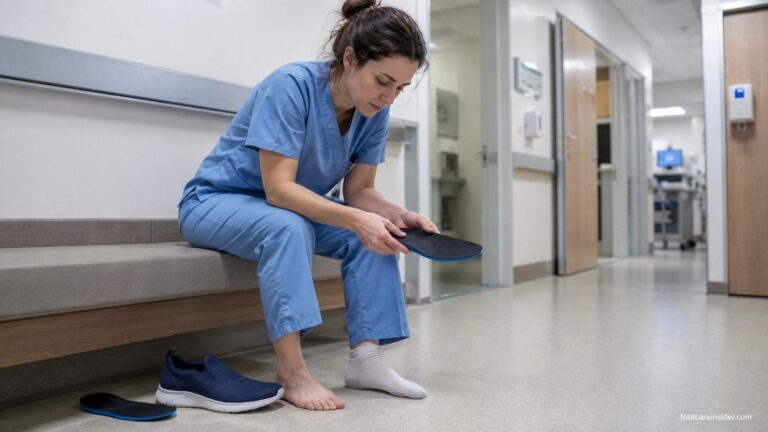
People adjusting to arch support during long work shifts usually notice discomfort faster than someone wearing insoles casually for short periods.
Standing on:
- concrete
- tile
- warehouse flooring
- hospital floors
creates repeated loading across the arches and heels for hours at a time.
This constant pressure can make the adjustment period feel more intense initially, especially if the feet previously lacked structured support.
Workers dealing with long daily standing routines often explore insoles for standing all day because cushioning alone may not fully control fatigue once the arches begin collapsing repeatedly during extended shifts.
Supportive insoles can help reduce long-term strain, but the transition period sometimes requires gradual adaptation rather than immediate full-day wear.
Footwear Can Change How Arch Support Feels
The shoe itself strongly affects comfort.
Even high-quality insoles may feel uncomfortable inside:
- shallow shoes
- unstable footwear
- worn-out midsoles
- narrow toe boxes
- heavily compressed sneakers
Supportive insoles work best when the surrounding shoe provides enough structure and depth to stabilize the foot naturally.
This is why some people think arch support is the problem when the actual issue is poor shoe compatibility.
Work boots, walking shoes, and athletic shoes usually tolerate supportive insoles better than thin casual footwear because they provide:
- stronger heel support
- better cushioning
- more internal space
- improved stability
Flat Feet Often Respond Differently Than Neutral Arches
People with flat feet commonly experience more noticeable adaptation because the arches have less structural support naturally during movement.
When the arch suddenly receives more upward support, the foot may temporarily feel:
- overstretched
- pressured
- unstable
- unusually firm
This feeling often decreases gradually as the surrounding tissues adjust to more stable positioning.
Readers researching why flat feet cause knee pain frequently discover that unsupported arch collapse can slowly increase strain throughout the lower body during walking. Structured support may help reduce that stress over time, but adaptation still matters.
The goal is usually not forcing the foot into an unnatural shape. It is improving stability and reducing repeated overload during daily movement.
Early Discomfort Does Not Always Mean Failure
One of the biggest mistakes people make is abandoning supportive insoles too quickly.
Mild soreness during the first several wears is relatively common, especially when:
- support increases significantly
- previous shoes lacked structure
- standing duration is high
- flat feet are flexible
- walking mechanics have been unstable for years
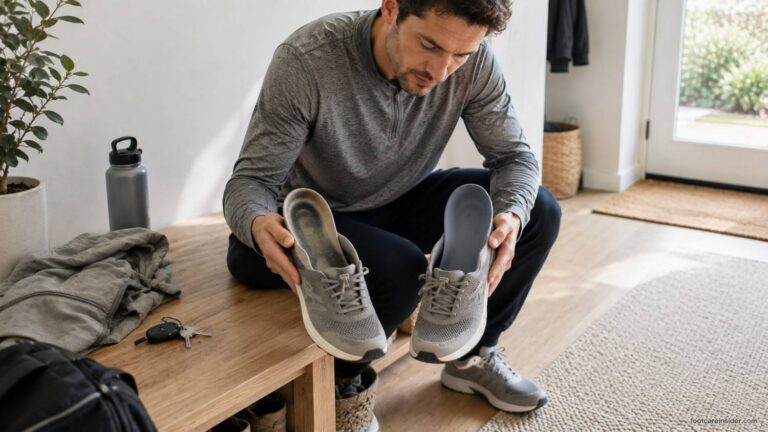
Gradual wear progression often works better than immediate all-day use.
Many people tolerate new support more comfortably by:
- wearing insoles a few hours daily initially
- increasing duration gradually
- using supportive shoes consistently
- avoiding abrupt activity increases during adjustment
That slower transition gives the feet and lower body more time to adapt naturally.
Gradual Adjustment Usually Works Better Than Immediate Full-Time Use
Many supportive insoles feel more comfortable when introduced slowly rather than worn for an entire day immediately.
A gradual adjustment period often allows:
- foot muscles to adapt
- walking mechanics to stabilize
- pressure distribution to normalize
- surrounding joints to adjust naturally
Some people notice improvement within a few days, while others require a couple of weeks before the support begins feeling more natural during long standing or walking sessions.
This is especially true for people switching from:
- soft foam inserts
- flat shoes
- heavily worn footwear
- unsupportive work shoes
The body generally responds better to progressive support changes than abrupt correction.
Stretching and Mobility Can Reduce Adaptation Stress
Tight calves and stiff ankles often contribute to discomfort during the transition into supportive footwear.
Simple mobility work may help reduce:
- calf tension
- heel pulling sensations
- arch tightness
- walking stiffness
Gentle stretching before and after long standing periods can sometimes make supportive insoles feel less aggressive during the adjustment phase.
Walking mechanics also matter. Some people unconsciously change how they walk when support feels unfamiliar, which may temporarily increase tension higher up the legs.
The goal is not forcing the feet into perfect alignment immediately. It is helping the body move more consistently with less strain over time.
Shoe Rotation Can Help During the Adjustment Phase
Wearing the exact same shoes every day may increase repetitive pressure during adaptation.
Rotating between:
- supportive walking shoes
- work shoes with stable cushioning
- athletic footwear with proper structure
can slightly reduce repeated stress on the same pressure points.
Older shoes with collapsed midsoles often make arch support feel harsher because the surrounding cushioning no longer distributes force properly.
This is one reason some people believe insoles “caused” discomfort when the actual issue is worn-out footwear underneath the support.
When Arch Support Should Be Reconsidered
Mild temporary soreness is common. Sharp or worsening pain is not.
Support may need adjustment if:
- discomfort becomes progressively worse
- numbness develops
- pressure feels extremely concentrated
- walking mechanics feel unstable
- knee pain increases significantly
- symptoms continue beyond the adjustment period
Sometimes the support is simply too aggressive for the foot type. In other cases, the shoe itself may not fit the insole correctly.
More rigid support is not automatically better. The right balance depends on:
- arch flexibility
- activity level
- standing duration
- foot shape
- overall comfort during movement
Related Guides: Where to Go Next
- How long arch support takes to feel normal with a week-by-week wear-in plan.
- Why some arch supports feel too aggressive if the support itself is the problem.
- Can arch support cause calf pain? if the ache is in your lower legs.
- Why arch support feels different in each shoe if one pair of shoes hurts more than another.
Common Questions
How long does it take to get used to arch support?
Most people adjust within several days to two weeks depending on how different the support feels from their previous footwear. People with flat feet or long standing routines sometimes need slightly longer adaptation periods.
Is it normal for arch support to hurt at first?
Mild soreness or pressure can be normal during the adjustment phase, especially if the feet previously lacked support. Sharp pain, numbness, or worsening discomfort is not considered normal.
Should I wear arch support all day immediately?
Usually not. Gradually increasing wear time often feels more comfortable and allows the feet to adapt more naturally to the new support pattern.
Why do my calves hurt after using arch support?
Supportive insoles can slightly change walking mechanics and ankle positioning, which may temporarily increase calf tension during adaptation. This often improves as movement stabilizes.
Can arch support make flat feet worse?
Properly matched support generally does not worsen flat feet. However, insoles that are too rigid or poorly fitted may create discomfort or unnatural pressure during walking.
Do softer insoles adjust more easily?
Sometimes softer insoles feel easier initially because they compress more under pressure. Firmer structured support may require longer adjustment but often maintains stability better during prolonged standing and walking.
Is arch support good or bad for you?
For most people with tired or flat feet, well-fitted arch support is helpful, and it should reduce strain, not add it. It becomes a problem when it is too high or too rigid for your foot, or when it is worn all day from the first day. Starting gradually and choosing the right height usually solves it.
Can you have too much arch support?
Yes. If the support presses hard into one spot, causes numbness, or the pain gets worse each day, it is probably too high or too firm for your foot. Our guide to arch supports that feel too aggressive explains what to look for.
Arch support is not supposed to feel painfully corrective or force the foot into an unnatural position. In many cases, the adjustment period simply reflects the body adapting to improved stability after years of unsupported movement patterns.
For people with flat feet, standing-heavy jobs, or long walking routines, structured support may eventually reduce fatigue and improve comfort significantly once the feet adapt gradually.
The key is paying attention to the difference between temporary adaptation soreness and ongoing pain that continues worsening over time. Support should ultimately make walking and standing feel more stable — not more difficult.