Memory Foam vs Orthotic Insoles: Which Is Better?
Choosing between memory foam and orthotic insoles can feel confusing because both are designed to improve comfort, but they work very differently in real use. Memory foam focuses more on softness and pressure relief, while orthotic insoles are built to improve support, alignment, and movement control.
The difference matters because the wrong type of support may feel comfortable at first but fail during long periods of standing or walking. Some people mainly need cushioning for fatigue, while others need structural support to reduce instability or excessive inward foot movement.
Memory foam insoles are often chosen for softness and immediate comfort. Orthotic insoles are commonly used when stability, arch support, or motion control become more important during daily activity.
This guide compares how both options work, how they feel during real-world use, and which type may fit different foot conditions and routines more effectively.
If you decide on memory foam, our best memory foam insoles guide compares three options.
What Memory Foam Insoles Are Designed to Do
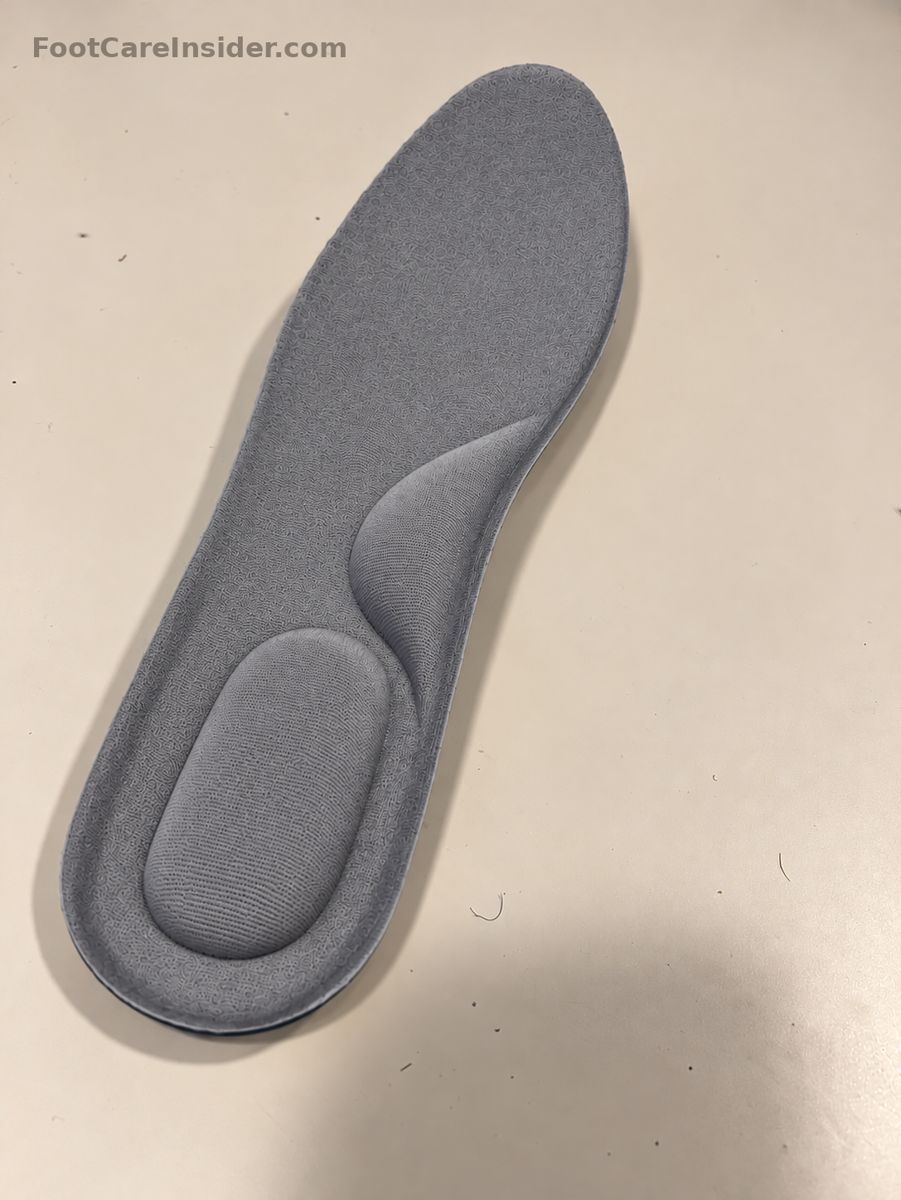
Memory foam insoles are primarily designed to absorb pressure and improve comfort under the feet. The foam molds slightly to body weight and foot shape during standing and walking.
These insoles are commonly used for:
- general comfort
- pressure relief
- casual daily wear
- reducing hard-floor fatigue
- soft cushioning inside shoes
Many people like memory foam because it feels comfortable immediately. The soft surface can reduce pressure during shorter periods of standing or casual walking.
The limitation is structural support. Very soft foam may compress heavily under repeated load, especially during long work shifts or extended walking.
What Orthotic Insoles Are Designed to Do
Orthotic insoles focus more on support and alignment than softness. Their goal is usually to improve foot positioning and reduce excessive movement during walking or standing.
Orthotic support is commonly used for:
- flat feet
- overpronation
- arch instability
- movement control
- long-term support needs
Some orthotic insoles are custom-made, while others are pre-made support designs.
Compared to memory foam, orthotic insoles generally feel firmer because they are built to maintain structure under repeated pressure rather than compress deeply during use.
People dealing with flat feet or inward rolling movement often compare support options while researching Flat Feet vs Overpronation and different alignment-focused insole styles.
Structural Differences Between Memory Foam and Orthotics
The biggest structural difference is how the material behaves under body weight.
Memory foam compresses and adapts to pressure. Orthotic support resists excessive movement and maintains shape more consistently during repeated use.
Memory foam usually:
- feels softer initially
- molds to the foot
- prioritizes pressure reduction
- compresses more under load
Orthotic insoles usually:
- feel firmer
- maintain arch structure
- improve alignment
- reduce excessive inward motion
This difference becomes especially noticeable during long standing periods. Soft foam may feel pleasant early in the day but flatten gradually under repeated stress. Orthotic support often feels less plush initially but remains more stable later in the day.
Cushioning vs Stability
Memory foam and orthotic insoles also differ in how they distribute pressure and control movement.
Memory foam spreads pressure across the foot surface and softens impact during casual activity. This can help people whose primary issue is hard-floor fatigue rather than instability.
Orthotic insoles focus more on controlling movement mechanics. They often provide:
- stronger arch support
- heel stabilization
- better alignment control
- improved motion management
For some people, softer cushioning feels more comfortable immediately. Others notice that excessive softness actually increases fatigue because the feet work harder to stabilize movement.
Orthotic support typically performs better for people with flat feet or overpronation because the structure remains stable during repeated walking and standing.
For broader support comparisons and foot-type guidance, best insoles for flat feet explains how different support categories affect movement and alignment.
Real-Life Use Cases
The better choice often depends on how the insoles will actually be used throughout the day.
Standing Jobs
People working long hours on hard flooring often need a balance between cushioning and support. Memory foam may improve short-term comfort, but orthotic support usually performs better during longer shifts where stability becomes more important.
Supportive footwear combined with insoles for standing all day is often more effective than soft cushioning alone during prolonged standing.
Casual Daily Wear
Memory foam insoles are commonly preferred for casual shoes, lighter walking, or occasional daily use where comfort matters more than movement correction.
Athletic or High-Movement Activity
Orthotic support usually performs better during running, faster walking, or physically demanding activity because the structure remains stable under repeated movement.
Cost and Long-Term Value
Memory foam insoles are usually less expensive initially, but softer foam often compresses faster during daily use.
Orthotic insoles generally cost more because of the stronger support materials and structural design. However, they often maintain performance longer during repeated standing and walking.
The long-term value depends on the user’s actual needs. Someone seeking temporary softness may prefer memory foam, while people dealing with alignment issues may benefit more from durable orthotic support.
Pros and Cons of Memory Foam Insoles
Memory foam insoles are often appreciated for their immediate softness. They cushion pressure effectively and can make casual shoes feel more comfortable during shorter periods of standing or walking.
This softer feel matters for people who mainly experience surface discomfort or hard-floor fatigue rather than movement instability. The foam adapts to foot shape, which some users find relaxing during daily wear.
The limitation is long-term structure. Memory foam compresses under repeated load, especially during long work shifts or heavier daily use. As the material flattens, the feet may lose stability and support over time.
For people with flat feet or stronger inward rolling, very soft cushioning can sometimes allow excessive movement instead of controlling it.
Pros and Cons of Orthotic Insoles
Orthotic insoles focus more heavily on support, alignment, and movement control. Their firmer structure helps stabilize the foot during walking and standing.
This matters for people dealing with flat feet, overpronation, ankle instability, or repeated fatigue during long daily routines. Orthotic support usually maintains shape better during extended use compared to softer foam materials.
The tradeoff is comfort adjustment. Firmer support may feel unusual at first, especially for people used to soft cushioned inserts.
Some orthotic designs can also feel too rigid for casual wear if the user only needs mild support rather than stronger correction.
Who Should Choose Memory Foam Insoles?
Memory foam insoles are often a better fit for people whose primary goal is comfort and pressure relief rather than structural correction.
This is usually a good option if:
- your feet mainly feel tired on hard surfaces
- you want softer cushioning inside casual shoes
- you do not experience strong instability
- your discomfort is mild and occasional
- you prefer softer underfoot feel
Memory foam may also work well for lighter daily routines where prolonged standing and repeated stress are less common.
Compared to orthotic support, memory foam generally prioritizes immediate comfort over long-term alignment control.
Who Should Choose Orthotic Insoles?
Orthotic insoles are usually better for people who need movement stability and stronger support during daily activity.
This is often the better choice if:
- you have flat feet or overpronation
- your arches collapse noticeably during walking
- you stand for long hours
- you experience ankle or knee fatigue
- your current inserts flatten quickly
Orthotic support is also commonly preferred for physically demanding routines, long walking periods, and repeated daily movement.
Compared to memory foam, orthotic insoles focus more on structure and long-term support consistency.
Long-Term Performance Comparison
Over time, orthotic insoles usually maintain support more consistently than memory foam. Firmer EVA or polyurethane materials resist flattening better during repeated standing and walking.
Memory foam often feels softer initially but may lose responsiveness and structure faster under heavy use. This becomes especially noticeable during long shifts or repetitive movement patterns.
Comfort perception can also change over time. Some users initially prefer soft cushioning but later realize stronger support reduces fatigue more effectively during daily routines.
Not sure whether you need cushioning or correction? Compare gel vs orthotic insoles.
Quick Comparison Summary
Memory foam = softer comfort, pressure relief, casual daily wear
Orthotic insoles = stronger support, stability, long-term alignment control
Neither option is automatically better for everyone. The right choice depends more on movement needs, activity level, and foot mechanics.
Common Questions
Are orthotic insoles better than memory foam?
Not always. Orthotic insoles usually provide stronger support and alignment control, while memory foam focuses more on softness and pressure relief. The better option depends on the user’s symptoms and daily routine.
Can memory foam help with flat feet?
It may improve comfort temporarily, but very soft foam often provides limited structural support for flat feet. People with stronger instability usually benefit more from supportive orthotic designs.
Do orthotic insoles feel uncomfortable at first?
Some people need a short adjustment period because orthotic support is firmer than regular cushioned inserts. Gradually increasing wear time often helps the feet adapt more comfortably.
Which option lasts longer?
Orthotic insoles generally last longer because firmer support materials resist compression more effectively during repeated use. Memory foam tends to flatten faster under constant pressure.
Are memory foam insoles good for standing all day?
They can improve softness initially, but people standing for long hours often need better structural support to reduce fatigue throughout the day.
Our picks: Soft or supportive? Here is one pick for each, plus a middle option.
Dr. Scholl’s Memory Foam – Soft pressure relief for casual daily wear.
Powerstep Maxx Support – Structured arch support with a cushioned top layer.
Superfeet Green – A firm, supportive arch for flat feet, overpronation and long days.
Final Verdict
Memory foam and orthotic insoles solve different problems. Memory foam focuses more on softness, cushioning, and short-term pressure relief, while orthotic support prioritizes alignment, stability, and long-term movement control.
People dealing mainly with casual discomfort may prefer the softer feel of memory foam. Those experiencing flat feet, overpronation, or repeated fatigue during standing and walking often benefit more from structured orthotic support.
The better choice usually depends less on comfort during the first few minutes and more on how the feet feel after several hours of real daily use.