Flat Feet and Calf Tightness: What’s the Connection
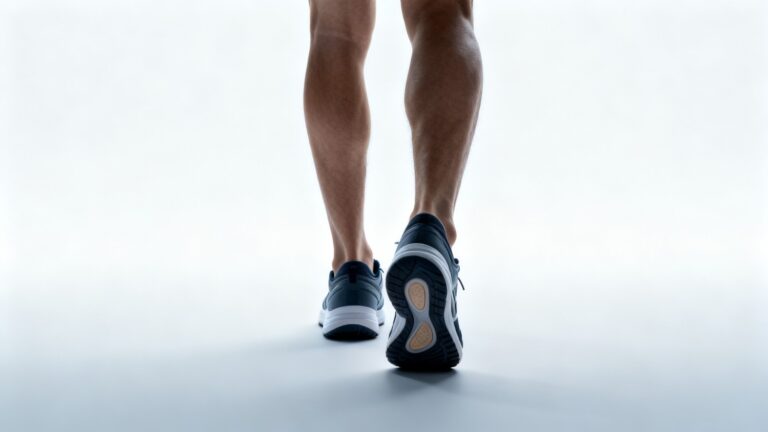
If your calves feel tight, sore, or constantly “on edge,” especially after standing or walking, your feet might be part of the reason. Flat feet calf pain doesn’t always start in the calf itself—it often begins with how your foot handles movement and load throughout the day.
Many people stretch their calves without realizing the root issue may be lower down. When the foot doesn’t provide stable support, the muscles higher up the chain—including the calves—have to work harder to compensate. Over time, that extra demand can lead to tightness, fatigue, and discomfort that doesn’t fully go away with simple stretching.
How Flat Feet Affect the Calf Muscles
Your feet and calves are closely connected through movement. The calf muscles control ankle motion and help push your body forward when you walk.
With flat feet:
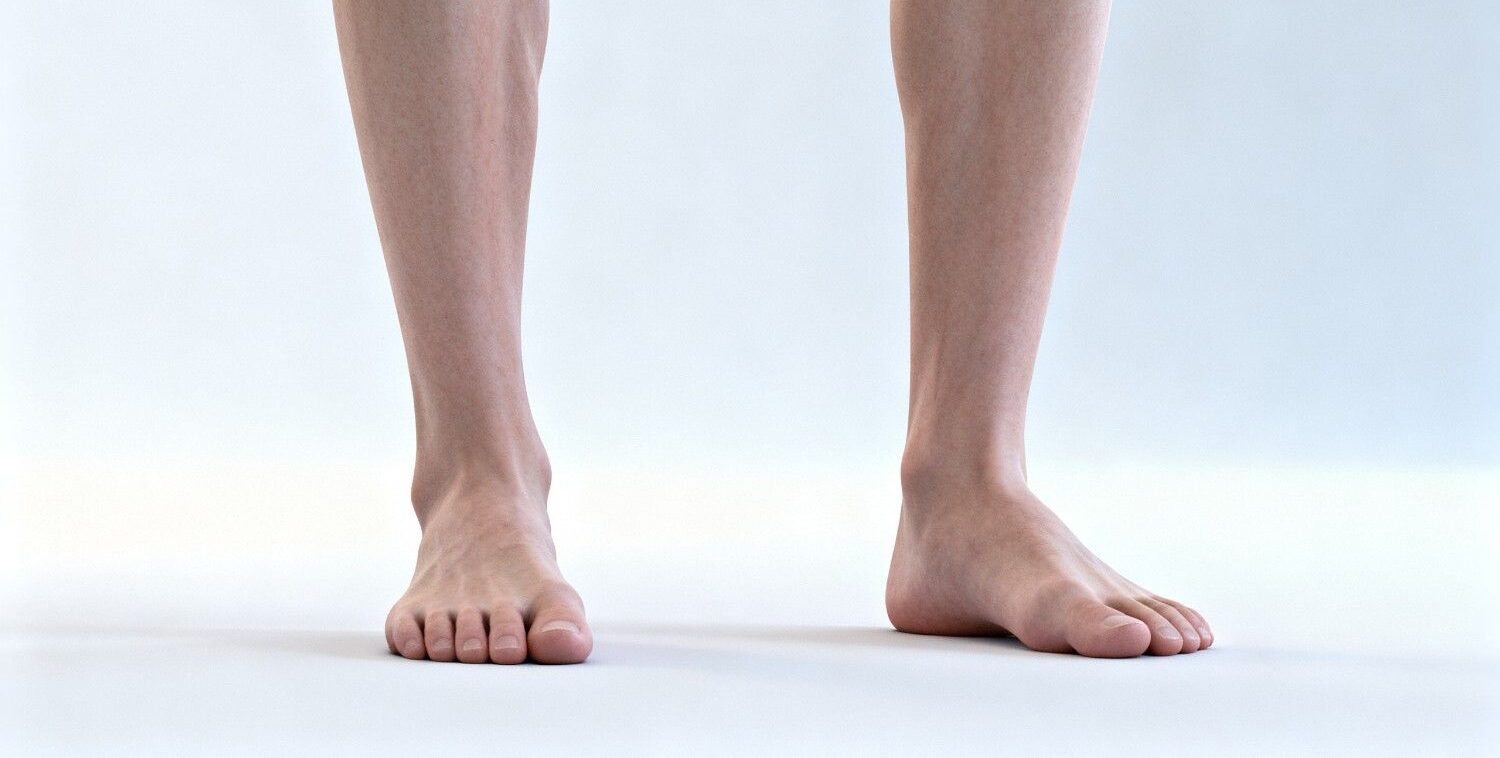
- the arch lowers more under weight
- the foot tends to roll inward
- the ankle position changes slightly
This changes how your calf muscles activate. Instead of working in a balanced way, they often stay engaged longer to stabilize the ankle and control movement.
Flat feet are frequently linked to inward rolling patterns, which are explained further in flat feet vs overpronation. This connection is important because it shows how calf tightness is not just a muscle issue—it’s part of a larger movement pattern.
Why Calf Tightness Develops
Calf tightness linked to flat feet usually builds gradually. It’s less about sudden injury and more about repeated strain.
When your foot doesn’t absorb load efficiently:
- the calf muscles take on extra work
- they stay active longer during standing and walking
- recovery between movements becomes limited
Over time, this leads to:
- a constant feeling of tightness
- reduced flexibility
- fatigue that returns quickly after activity
Even if you stretch regularly, the tightness may return because the underlying load pattern hasn’t changed.
Common Causes Behind Flat Feet and Calf Pain
Several factors contribute to this connection.
Muscle overuse
The calf muscles compensate for reduced support from the arch, leading to prolonged activation.
Altered ankle mechanics
Changes in foot position affect how the ankle moves, which directly influences calf function.
Reduced shock absorption
Without proper arch support, impact forces travel upward, increasing demand on the calves.
Repetitive daily load
Standing, walking, or working on hard surfaces increases cumulative stress.
For a deeper understanding of how these patterns develop, this guide on what causes flat feet explains the underlying causes in more detail.
Risk Factors That Increase Calf Tightness
Certain daily habits and conditions make calf tightness more likely when you have flat feet.
Long periods of standing
Jobs that involve standing in one place or walking continuously reduce recovery time for the muscles.
Footwear
Shoes without proper structure allow the foot to collapse more, increasing strain on the calves.
Hard surfaces
Firm flooring reduces natural cushioning, forcing muscles to absorb more impact.
Activity level
Sudden increases in walking or exercise can overload the calf muscles when the foot lacks support.
These factors don’t always cause discomfort on their own, but they increase the likelihood of ongoing tightness.
Early vs More Noticeable Symptoms
Calf tightness related to flat feet often starts subtly.
Early signs:
- mild stiffness in the calves after activity
- tightness that improves with movement
- occasional discomfort without lasting pain
More noticeable symptoms:
- persistent tightness throughout the day
- reduced flexibility in the calf
- soreness during or after walking
Some people also notice that stretching provides only temporary relief.
When It Becomes More Than Just Tightness
Calf tightness can sometimes be a signal that your body is compensating more than it should.
If the pattern continues:
- movement efficiency may decrease
- fatigue may build faster
- strain can shift to other areas
Because the lower body works as a chain, ongoing issues can affect areas beyond the calf. For example, changes in foot mechanics can contribute to knee discomfort, which is explained further in why flat feet cause knee pain.
At that point, the issue isn’t just about tight muscles—it’s about how your body is managing load overall.
How to Reduce Calf Tightness With Flat Feet
Improving calf comfort usually starts with reducing how much extra work those muscles have to do during daily movement. The goal isn’t just to stretch the calves—it’s to change how load is handled from the ground up.
Gentle strengthening can help the foot and lower leg share the workload more evenly. Exercises like slow calf raises, controlled heel drops, and short-foot activation encourage better coordination between the arch and the calf. When the foot supports more of the load, the calf doesn’t need to stay constantly engaged.
Movement habits also matter. If you spend long periods standing or walking without variation, the same muscles remain active for too long. Shifting weight, taking short breaks, or changing pace can reduce continuous strain and allow brief recovery.
Load management is another key factor. Increasing activity gradually—rather than all at once—gives your muscles time to adapt without becoming overloaded.
Where Insoles Can Help
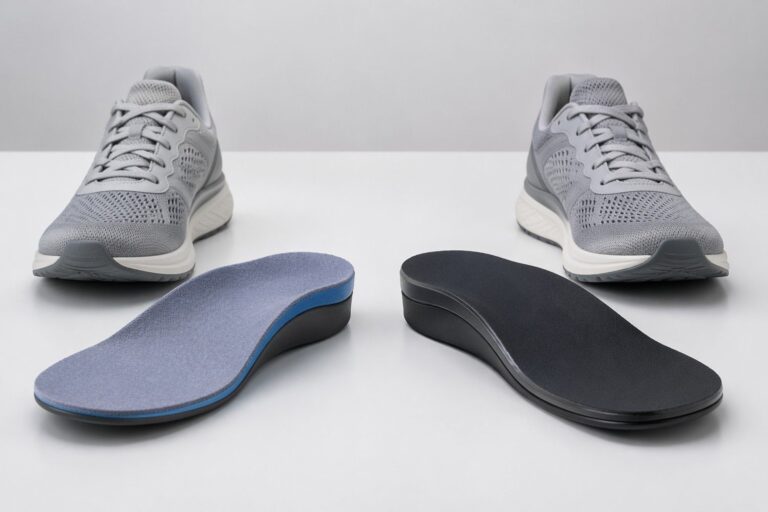
Even when you’re working on strength and movement, external support can make daily activity more manageable.
Insoles help by:
- supporting the arch during weight-bearing
- reducing excessive inward movement
- lowering the demand on calf muscles
For people who spend long hours on their feet, this can make a noticeable difference in how quickly tightness builds throughout the day. Some people look into options like insoles for standing all day to better understand how support can reduce daily strain.
It’s important to see insoles as part of a broader approach. They help manage stress during activity, but they don’t replace the need for strength and proper movement.
When Medical Care Is Needed
Most cases of calf tightness can be improved with simple adjustments. However, certain signs suggest it’s worth seeking professional advice.
You may want to get evaluated if:
- tightness becomes persistent and painful
- discomfort interferes with walking or daily activity
- swelling or sharp pain develops
- symptoms don’t improve with rest or basic changes
A clinician can assess how your foot and calf are working together and identify whether additional treatment or targeted therapy is needed.
Preventing Calf Tightness From Returning
Preventing recurring tightness often depends on consistency rather than intensity.
Wearing supportive footwear can reduce unnecessary strain on the foot and calf.
Staying active with regular, low-impact movement helps maintain flexibility and muscle balance.
Avoiding long periods of repetitive load without breaks can reduce the risk of overuse.
Small, consistent adjustments in daily habits tend to have the greatest long-term effect.
A Simple Way to Think About It
Your foot absorbs and distributes load.
Your calf helps control and move it.
When the foot struggles, the calf compensates.
Common Questions
Can flat feet cause tight calves?
Yes, flat feet can change how your calf muscles work by increasing the demand placed on them during standing and walking. This often leads to tightness over time.
Why do my calves feel tight even after stretching?
Stretching may provide temporary relief, but if the underlying load pattern hasn’t changed, the tightness often returns. Addressing foot support and movement is important.
Do insoles help reduce calf pain?
Insoles can reduce strain by supporting the arch and improving how pressure is distributed. This can lower the workload on the calf muscles during activity.
Is calf tightness from flat feet permanent?
Not necessarily. Many people improve symptoms by adjusting movement habits, strengthening the foot and lower leg, and using appropriate support.
When should I be concerned about calf tightness?
If tightness becomes painful, persistent, or affects your ability to move comfortably, it’s a good idea to seek professional evaluation.
Final Thoughts
Flat feet and calf tightness are connected through how your body handles movement and load.
For some, the issue shows up as mild stiffness after activity. For others, it becomes a more constant feeling that doesn’t fully resolve with rest.
Understanding that connection makes it easier to respond effectively. When you combine better movement, consistent strengthening, and appropriate support, it becomes much easier to reduce strain and move more comfortably over time.