Overpronation vs Supination: Key Differences Explained
If you’ve ever looked into foot alignment, you’ve probably come across two terms that sound similar but describe very different movement patterns: overpronation and supination. It’s easy to confuse them, especially since both relate to how your foot moves when it hits the ground.
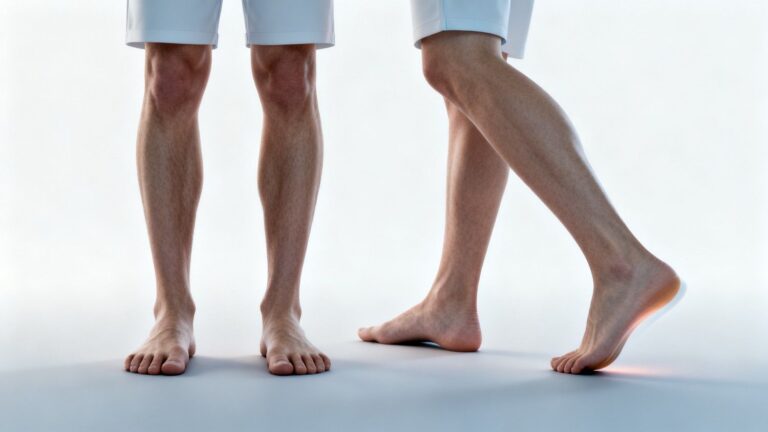
In simple terms, overpronation involves too much inward movement, while supination (also called underpronation) involves too much outward movement. One shifts pressure toward the inside of the foot, the other toward the outer edge. That difference may seem small—but it changes how your body absorbs impact and stays balanced.
Short answer: overpronation is the foot rolling inward too much. Supination, also called underpronation, is the foot rolling outward too little, so weight stays on the outer edge. Between the two sits neutral pronation, the healthy middle. Overpronators usually need stability, supinators usually need cushioning.
What Overpronation Means
Overpronation happens when the foot rolls inward more than it should during walking or running. A small amount of inward motion is normal and helps absorb shock, but excessive movement can reduce stability.
This often shows up as:
Our guide to insoles for overpronation shows which support types suit this foot pattern.
- the arch flattening under weight
- pressure shifting toward the inner foot
- the ankle leaning inward
Over time, this movement pattern can affect how force travels through the body, especially during repetitive activity.
What Supination Means
Supination is the opposite pattern. Instead of rolling inward, the foot stays more on the outer edge during movement. This reduces the foot’s ability to absorb impact effectively.
It typically looks like:
- a higher or more rigid arch
- weight staying on the outer side of the foot
- less inward movement during each step
Because the foot doesn’t roll inward enough, shock absorption is reduced, and impact forces are often transferred upward more directly.
What Is the Opposite of Overpronation?
The opposite of overpronation is underpronation, which most people call supination. Overpronation rolls the foot in too far, underpronation barely rolls it in at all. In the middle is neutral pronation, where the foot rolls inward just enough to absorb the landing and then pushes off evenly. Most feet land somewhere around neutral, so many people have a mild lean in one direction and no real problem.
Structural Differences in the Foot
The biggest difference between overpronation and supination lies in how the foot behaves under load.
With overpronation, the arch lowers more than expected. The foot becomes more flexible but less stable, especially during weight-bearing movement.
With supination, the arch tends to remain higher and more rigid. The foot stays stable in one sense but loses adaptability, which can make impact feel harsher.
A simple way to compare:
- overpronation → more flexibility, less control
- supination → more rigidity, less shock absorption
Neither is automatically “better”—they just create different challenges.
If you’re unsure how pronounced your inward foot movement is, a closer look at mild vs severe overpronation can help you understand where your pattern falls.
How to Tell Which One You Are
| Pattern | What you usually see |
|---|---|
| Overpronation | Wear on the inner edge of the heel and forefoot. A wide footprint with little or no inside curve. Heels tilt inward from behind. Low or flat arch. |
| Neutral | Even wear, slightly on the outer heel. A clear curve on the inside of the footprint. Heels stay straight. Medium arch. |
| Supination | Wear on the outer edge of the heel and sole. A thin footprint, often with no link between heel and ball. Heels tilt outward. High arch. |
These checks give a rough guide, not a diagnosis. A running shop gait analysis or a podiatrist can measure it properly. If your result points to overpronation, see flat feet vs overpronation for how arch shape and movement relate, and the causes of overpronation. If it points to supination, the guide to high arch support covers the cushioning side.
Cushioning vs Stability
The type of support each movement pattern benefits from is also different.
Overpronation often requires more stability. Since the foot moves too far inward, the goal is to limit excessive motion and maintain alignment.
Supination tends to benefit from cushioning. Because the foot doesn’t absorb impact as effectively, softer materials can help reduce pressure during movement.
This creates a clear contrast:
- overpronation → needs control and structure
- supination → needs cushioning and shock absorption
For example, someone exploring support options for inward collapse might look into best insoles for flat feet to understand how structured support works.
How Pressure Distribution Changes
Where pressure builds in the foot is one of the most noticeable differences.
With overpronation, pressure concentrates along the inner side of the foot. This can lead to uneven wear patterns and a feeling of instability.
With supination, pressure stays more on the outer edge. This can create a sense of stiffness or reduced shock absorption during movement.
Over time, these differences affect how comfortable movement feels—especially during long periods of standing or walking.
Real-Life Use Cases
These movement patterns become clearer in everyday situations.
For people who stand or walk for long hours, overpronation often leads to gradual fatigue as the arch collapses under continuous load. In these cases, managing pressure over time becomes important, and approaches like insoles for standing all day can help reduce strain.
Supination, on the other hand, may feel fine at first but can lead to discomfort during longer activity due to reduced shock absorption.
During running or higher-impact activity, both patterns become more noticeable. Overpronation may feel unstable, while supination may feel rigid and less forgiving on impact.
Shoes and Insoles for Each Pattern
| Pattern | Shoes | Insoles |
|---|---|---|
| Overpronation | Stability shoes with a firm inner side. See running shoes vs stability shoes | Structured arch with a deep heel cup |
| Supination | Neutral, well-cushioned shoes with a flexible sole | Cushioned insoles with gentle arch contact, not a hard arch |
| Neutral | Most shoes fit; pick on comfort | Optional, mainly for comfort |
Two examples, one for each pattern.
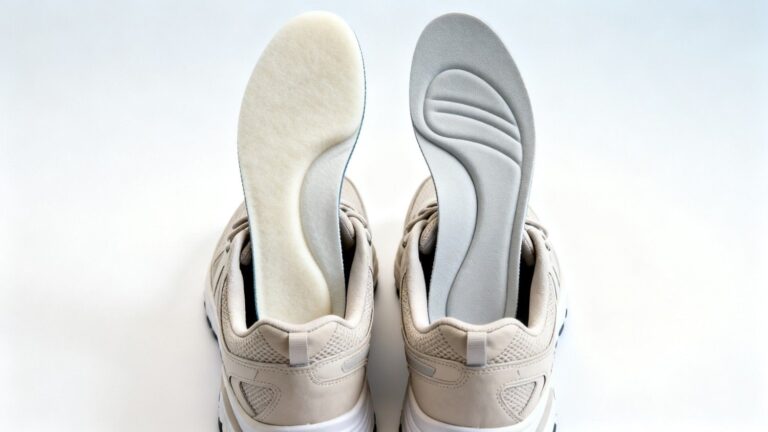
Overpronation: Stability Running Insoles – a deeper heel cup and firm support on the inner side to limit the inward roll.
Supination: Cushion Insoles – extra shock absorption for feet that do not absorb impact on their own.
Cost and Long-Term Considerations
The way each condition affects footwear and support over time also differs.
Overpronation tends to wear down the inner side of shoes more quickly. Softer materials may compress faster under repeated inward pressure.
Supination often leads to wear on the outer edge. Because impact isn’t absorbed as effectively, cushioning materials may break down from repeated force.
In general:
- overpronation → more stress on structure and alignment
- supination → more stress from impact and rigidity
Understanding these differences helps you choose support that matches how your foot actually behaves.
Pros and Limitations in Daily Movement
Overpronation and supination each come with their own advantages and challenges, depending on how your body handles movement.
With overpronation, one benefit is that the foot can absorb shock relatively well. The inward motion allows for some flexibility, which can make walking feel smoother at lower intensity. However, the limitation is reduced stability. When the arch collapses too much, the foot has to work harder to stay aligned, which can lead to fatigue over time.
Supination offers the opposite pattern. The foot tends to feel stable because it stays more rigid, but that same rigidity reduces shock absorption. This can make impact feel harsher, especially during running or long periods on hard surfaces. The limitation here is not instability—but a lack of cushioning in how the body handles force.
Who Should Focus on Overpronation Support
If your movement leans toward overpronation, the goal is usually to improve stability and control.
This applies if:
- your arches flatten noticeably when standing
- your ankles roll inward
- you experience fatigue along the inner foot
In these situations, support should help limit excessive motion rather than completely restrict it. A balance between structure and comfort is important, especially for daily activities like walking or standing for long hours.
The focus is not to “lock” the foot—but to guide it into a more stable movement pattern.
Who Should Focus on Supination Support
If your movement pattern is closer to supination, the priority shifts toward improving shock absorption.
This applies if:
- your weight stays on the outer edge of your foot
- your arches feel high or rigid
- impact feels sharp during walking or running
Here, the goal is to soften how the foot interacts with the ground. More cushioning and flexibility help reduce pressure and make movement feel less harsh.
Compared to overpronation, the focus is less on controlling motion and more on allowing the foot to absorb force effectively.
Long-Term Differences
Over time, the way these patterns affect the body can become more noticeable.
Overpronation often leads to gradual fatigue and alignment-related strain. Because the foot moves inward more than expected, other parts of the body may compensate during repetitive activity.
Supination tends to create impact-related stress. The reduced ability to absorb shock can increase pressure on joints, especially during higher-impact movement.
The key difference is not just how the foot moves—but how consistently it handles load over time.
A Simple Comparison
Overpronation is more about excess movement and reduced control, while supination is about limited movement and reduced shock absorption.
Both can affect comfort—but in different ways.
Common Questions
Is overpronation worse than supination?
Not necessarily. Both are simply different movement patterns. Problems arise when either one leads to discomfort or inefficient load handling over time.
Can you have both overpronation and supination?
Typically, a person leans toward one pattern, but it’s possible for movement to vary depending on activity or fatigue. One foot may even behave slightly differently from the other.
How do I know which one I have?
Looking at wear patterns on your shoes can give clues. Inner-edge wear often suggests overpronation, while outer-edge wear may indicate supination. Observing how your foot moves when walking can also help.
Do both conditions require the same type of support?
No. Overpronation usually benefits from more structured support, while supination tends to benefit from cushioning and flexibility.
Can movement patterns change over time?
Yes. Factors like strength, activity level, footwear, and load can influence how your foot behaves over time.
What is the opposite of overpronation?
Underpronation, usually called supination. The foot rolls outward and stays on the outer edge instead of rolling in.
What is neutral pronation?
The healthy middle: the foot lands on the outer heel, rolls inward a little to absorb the impact, and pushes off evenly through the toes.
Is supination the same as underpronation?
In running and insole language, yes. Medical texts also use supination for the outward turn of the foot in a different context, but when people compare it with overpronation they mean underpronation.
Do flat feet mean overpronation and high arches mean supination?
Often, but not always. Low arches tend to go with overpronation and high arches with supination, yet arch height does not decide how your foot moves. The wear pattern on your shoes is a better clue.
Final Verdict
Overpronation and supination are not opposites in terms of “good” or “bad”—they are simply different ways the foot manages movement.
One involves too much inward motion, the other too little. That difference changes how your body absorbs impact, distributes pressure, and maintains balance.
The most important step is understanding which pattern applies to you. Once you know that, it becomes much easier to choose the right approach—whether that means improving stability, adding cushioning, or adjusting how you manage daily load.