What Causes Flat Feet?
If you’ve noticed your arches seem lower than they used to be—or maybe they were never there at all—you’re not alone. Many people start asking the same question at some point: what causes flat feet, and is it something to worry about?
For some, flat feet are completely painless. For others, they slowly lead to discomfort, fatigue, or even issues that affect the knees, hips, and lower back. The difference often comes down to why the arches have collapsed in the first place.
Understanding the root causes of flat feet isn’t just about curiosity—it’s about knowing whether your condition is stable, progressing, or something that needs attention.
What Are Flat Feet?
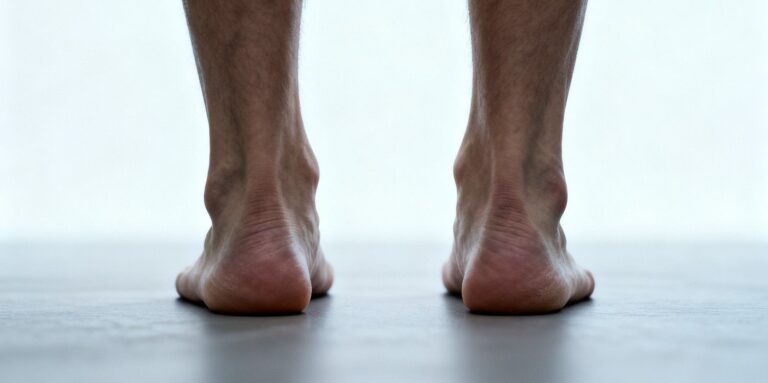
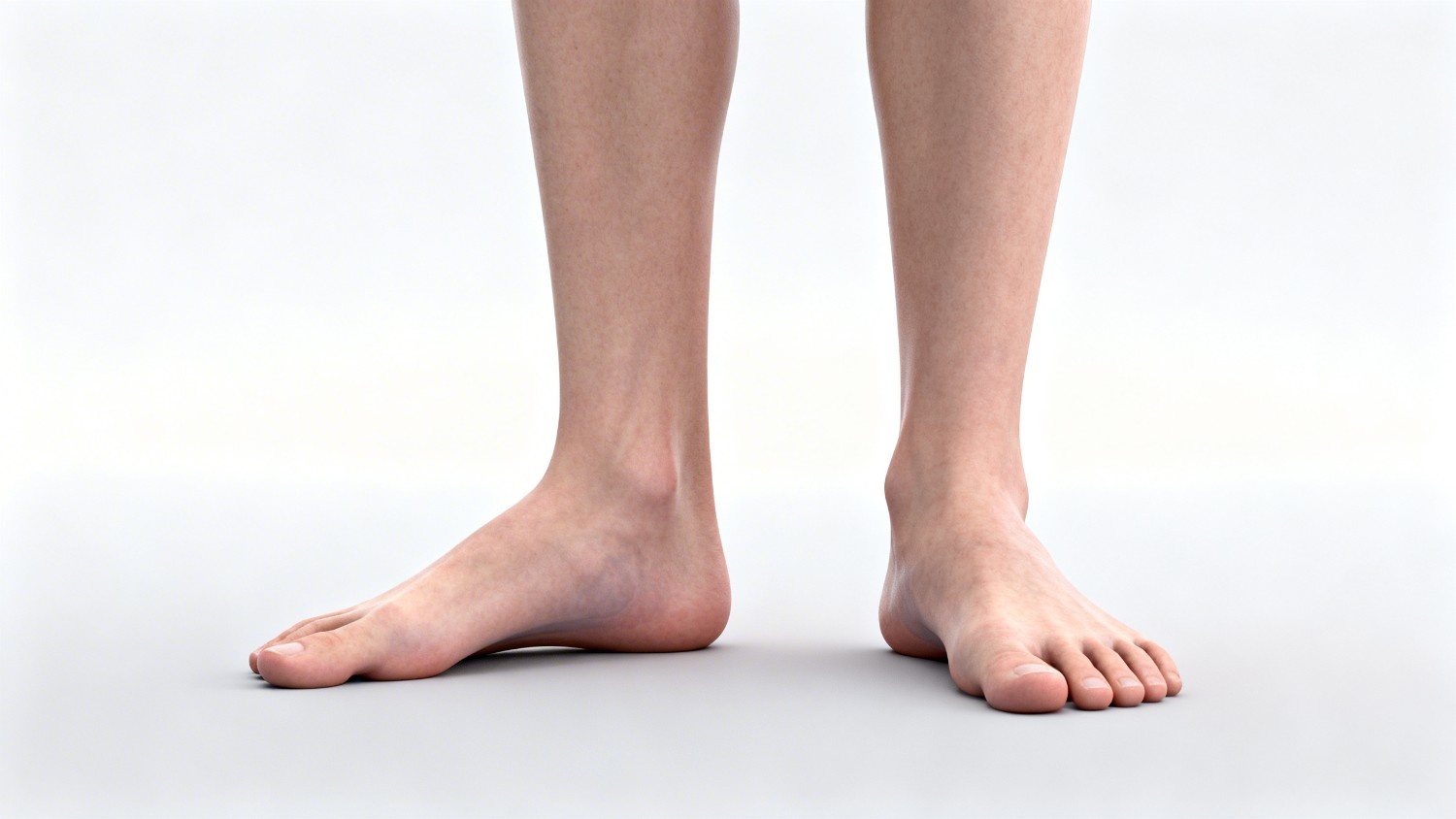
Flat feet, also known as fallen arches, occur when the arch of the foot collapses, allowing the entire sole to make contact with the ground.
In a healthy foot:
- The arch helps absorb shock
- It distributes weight evenly
- It supports efficient movement
When that arch is missing or weakened:
- The foot rolls inward more than normal
- Alignment changes
- Stress shifts into other parts of the body
Some people are born with flat feet, while others develop them over time.
What Causes Flat Feet?
There isn’t just one answer. Flat feet can develop for several different reasons, and often it’s a combination of factors rather than a single cause.
1. Genetics (Inherited Foot Structure)
One of the most common answers to what causes flat feet is simple: genetics.
Some people are naturally born with:
- Low or absent arches
- Flexible ligaments
- Foot structures that favor collapse
If flat feet run in your family, there’s a higher chance you’ll experience the same pattern.
In these cases:
- The condition often appears early in life
- It may remain stable
- Or gradually change depending on lifestyle and activity
2. Weak or Dysfunctional Tendons
The posterior tibial tendon plays a key role in maintaining the arch.
Its job is to:
- Support the arch
- Control foot movement
- Stabilize walking mechanics
If this tendon becomes weak or damaged:
- The arch begins to collapse
- The foot loses structural support
This condition is often referred to as posterior tibial tendon dysfunction (PTTD) and is a major contributor to adult-acquired flat feet.
3. Ligament Laxity (Loose Connective Tissue)
Ligaments help hold the bones of the foot together.
In some people, these ligaments are more flexible than normal.
This can lead to:
- Reduced structural stability
- Increased arch collapse under weight
- Greater foot mobility (sometimes too much)
While flexibility can be beneficial in some ways, too much can compromise support.
4. Injury or Trauma
Flat feet can also develop after injury.
Common causes include:
- Foot fractures
- Tendon injuries
- Sprains that affect foot stability
Damage to key structures can:
- Disrupt alignment
- Reduce support
- Lead to gradual arch collapse over time
5. Aging and Wear Over Time
As the body ages:
- Tendons weaken
- Ligaments lose elasticity
- Muscles become less supportive
This natural wear can contribute to the development of flat feet, especially in adults who previously had normal arches.
6. Obesity and Increased Load
Excess body weight places additional stress on the feet.
Over time:
- The arch may struggle to support the load
- Structures become strained
- Collapse becomes more likely
This doesn’t happen overnight, but gradual overload can change foot structure.
7. Pregnancy-Related Changes
Hormonal changes during pregnancy can:
- Increase ligament flexibility
- Alter weight distribution
Combined with increased body weight, this can lead to temporary—or sometimes permanent—changes in arch structure.
8. Poor Footwear Over Time
While shoes alone don’t directly cause flat feet, long-term use of unsupportive footwear can contribute to the problem.
Examples include:
- Completely flat shoes with no arch support
- Worn-out footwear
- Shoes that don’t match foot structure
Over time, lack of support can allow the arch to weaken.
Risk Factors That Make Flat Feet More Likely
Certain factors increase the likelihood of developing flat feet or worsening existing ones:
- Family history
- High-impact activities
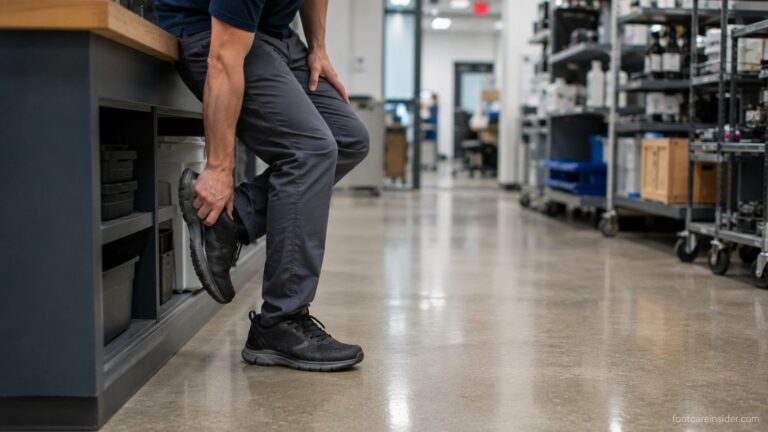
- Long hours standing on hard surfaces
- Poor footwear habits
- Muscle weakness
- Existing alignment issues
Often, these factors work together rather than independently.
How Symptoms Can Vary
Not everyone experiences flat feet the same way.
Some people have:
- No pain at all
- Only mild fatigue after long days
Others may develop:
- Heel pain
- Arch discomfort
- Shin splints
- Knee or hip strain
The difference usually depends on:
- Severity of arch collapse
- Activity level
- Overall body mechanics
If your flat feet are linked to inward rolling, support strategies explained in insoles for overpronation can help reduce stress on the foot and improve alignment.
When Flat Feet Become a Bigger Issue
Flat feet become more concerning when they begin to affect:
- Daily comfort
- Movement efficiency
- Other joints in the body
Signs that it may be progressing include:
- Increasing pain
- Visible arch collapse over time
- Difficulty standing or walking for long periods
When symptoms start spreading beyond the foot—into the knees or hips—it’s often a sign that alignment is being affected.
Understanding the Bigger Picture
Flat feet are not just about the arch—they influence how your entire body moves.
If you’re exploring how different types of support impact foot mechanics, understanding structure versus cushioning can help. For example, soft vs firm insoles explains why support level matters depending on your foot type.
Treatment, Support, and Prevention Strategies
Once you understand what causes flat feet, the next step is knowing what actually helps. Whether your arches have always been low or have gradually collapsed over time, the goal is the same: improve support, reduce strain, and maintain proper alignment.
Flat feet don’t always require aggressive treatment—but ignoring them can allow small issues to turn into bigger ones.
Non-Commercial Treatment Options (Start Here First)
Before relying on external support like insoles, it’s important to improve how your feet function naturally.
1. Strengthen the Arch and Foot Muscles
Flat feet are often linked to weak intrinsic foot muscles.
Strengthening these muscles helps:
- Support the arch naturally
- Improve balance and stability
- Reduce dependence on passive structures
Effective exercises include:
- Short foot exercises (lifting the arch without curling toes)
- Toe spreading
- Heel raises
These movements may seem simple, but over time they can significantly improve how your foot handles stress.
2. Improve Flexibility in Key Areas
Tight muscles—especially in the calves and Achilles tendon—can pull on the foot and worsen arch collapse.
Stretching helps:
- Reduce tension on the foot
- Improve range of motion
- Support more natural movement patterns
Consistency matters more than intensity here.
3. Adjust Daily Movement Habits
Many people unknowingly reinforce poor foot mechanics through daily habits.
Small adjustments can make a big difference:
- Avoid walking barefoot on hard surfaces
- Rotate between different shoes
- Pay attention to posture and walking pattern
Over time, these changes reduce unnecessary strain on the arch.
4. Choose Supportive Footwear
Shoes play a bigger role than most people realize.
Look for:
- Proper arch support
- A stable heel structure
- Enough room for natural foot movement
Worn-out or unsupportive shoes can accelerate arch collapse, especially if worn daily.
When Insoles Can Help
Insoles are one of the most effective tools for managing flat feet—but only when used correctly.
They are most helpful when:
- The arch lacks structural support
- The foot rolls inward excessively
- Pain or fatigue is linked to poor alignment
By supporting the arch, insoles help:
- Distribute weight more evenly
- Reduce strain on muscles and tendons
- Improve overall foot mechanics
For structured support designed specifically for collapsed arches, options discussed in insoles for flat feet can help restore a more stable foundation.
Matching Support to Your Needs
Not all insoles are the same.
- Mild flat feet → moderate support + cushioning
- Moderate discomfort → firmer arch support
- Severe collapse → structured, stability-focused support
If inward rolling (overpronation) is part of your condition, targeted solutions like best insoles for overpronation can help control motion and reduce long-term stress.
When Medical Care Is Required
Flat feet don’t always require medical treatment—but there are situations where professional evaluation is important.
You should consider seeing a specialist if:
- Pain persists despite support and adjustments
- The arch continues collapsing over time
- You experience swelling or sharp pain
- Walking becomes difficult
A healthcare provider may recommend:
- Physical therapy
- Custom orthotics
- Imaging to assess structural damage
Early intervention can prevent more serious complications later.
Prevention: How to Protect Your Arch Long-Term
Even if you already have flat feet, you can reduce the risk of worsening symptoms.
1. Maintain Consistent Support
Your feet handle stress every day.
Consistent support—whether from shoes or insoles—helps maintain alignment and reduce strain.
2. Stay Active, But Progress Gradually
Movement is important, but sudden increases in activity can overload the foot.
Gradual progression allows:
- Muscles to adapt
- Tendons to strengthen
- Stress to be managed safely
3. Replace Worn-Out Shoes and Insoles
Support doesn’t last forever.
Over time:
- Materials compress
- Structure weakens
- Effectiveness decreases
If you’re unsure when to replace them, this guide on signs you need new insoles can help you recognize when support is no longer doing its job.
4. Monitor Changes Over Time
Flat feet can remain stable—or they can progress.
Pay attention to:
- Changes in arch height
- Increasing discomfort
- New areas of pain
Early awareness makes management easier.
Frequently Asked Questions
Can flat feet be reversed?
In most cases, flat feet cannot be fully reversed, especially in adults. However, symptoms can be managed effectively with proper support and strengthening.
Are flat feet always a problem?
No. Many people have flat feet without pain. Problems usually arise when alignment and load distribution are affected.
Do insoles fix flat feet permanently?
Insoles do not permanently change foot structure, but they significantly improve support and reduce strain during daily activities.
Can flat feet cause pain in other areas?
Yes. Flat feet can affect alignment and contribute to knee, hip, and lower back discomfort.
Is walking barefoot bad for flat feet?
It depends. On soft surfaces it may be fine, but on hard surfaces it can increase strain due to lack of support.
To continue learning, visit our full guides section here.
Final Thoughts: Understanding the Cause Changes Everything
Flat feet are not just about how your foot looks—they’re about how your body moves.
When the arch collapses:
- Stability decreases
- Pressure shifts
- Stress builds over time
Understanding what causes flat feet gives you a clear advantage.
Instead of reacting to pain, you can:
- Address the root cause
- Support your foot properly
- Prevent long-term issues
Small, consistent changes—combined with the right support—can make a meaningful difference in how your feet feel every day.
If you’re already experiencing symptoms, you can see the best insoles for flat feet here.
If your foot shape also affects comfort, it’s worth checking the best insoles for wide feet here.