Do Flat Feet Cause Bunions?
If you’ve started noticing a bump forming at the base of your big toe—or you’re already dealing with discomfort from a bunion—you might be wondering what caused it in the first place. For many people, the question naturally comes up: do flat feet cause bunions, or are these two separate issues that just happen to appear together?
It’s a fair concern. Foot structure plays a major role in how pressure is distributed when you walk, stand, or run. When something is off—like a collapsed arch—it doesn’t just stay in the foot. The effects travel upward and outward, influencing alignment, joint stress, and even how your toes function over time.
Understanding how flat feet bunions are connected can help you catch problems earlier, reduce discomfort, and make better decisions about long-term foot health.
New to this topic? Start with our flat feet guide.
What Are Flat Feet and Bunions?
Before looking at the connection, it’s important to understand each condition on its own.
Flat Feet (Fallen Arches)
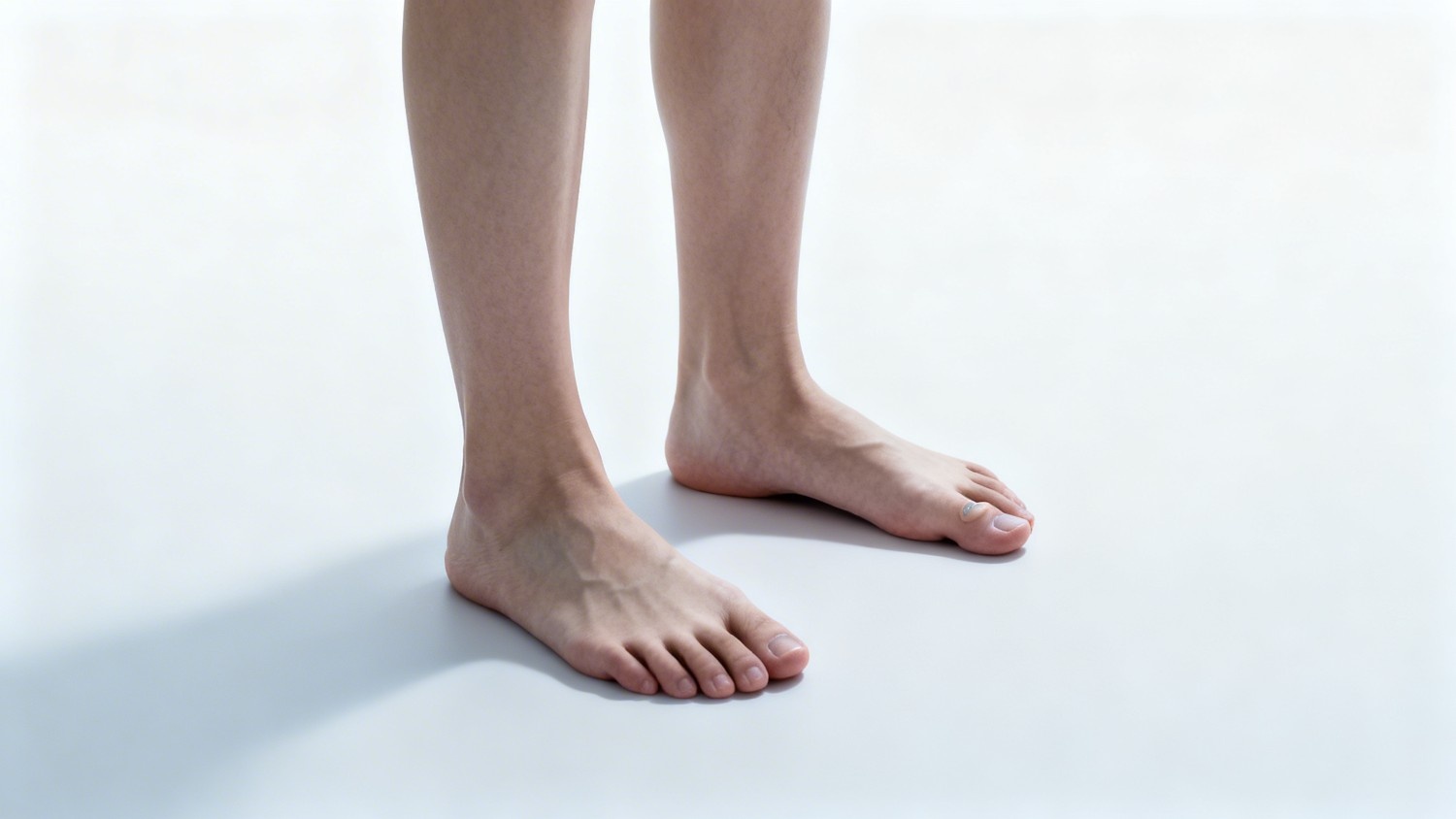
Flat feet occur when the arch of the foot collapses or never fully develops. Instead of having a natural curve, the entire sole of the foot makes contact with the ground.
This can lead to:
- Increased inward rolling of the foot (overpronation)
- Poor weight distribution
- Reduced shock absorption
Flat feet can be:
- Flexible (arch appears when not standing)
- Rigid (arch remains flat at all times)
Bunions (Hallux Valgus)
A bunion is a structural deformity that develops at the base of the big toe joint. Over time, the big toe begins to angle inward toward the other toes, while the joint itself pushes outward.
This creates:
- A visible bump
- Joint inflammation
- Pain during walking or shoe wear
Bunions don’t appear overnight—they develop gradually due to pressure, alignment issues, and joint instability.
Do Flat Feet Cause Bunions?
The short answer is:
👉 Flat feet don’t directly “cause” bunions—but they significantly increase the risk of developing them.
Here’s why.
How Flat Feet Contribute to Bunion Formation
When the arch collapses, the mechanics of the foot change in subtle but important ways.
1. Increased Overpronation
Flat feet often lead to excessive inward rolling of the foot. This movement—known as overpronation—shifts pressure toward the inner side of the foot.
Over time:
- More weight is placed on the big toe joint
- The joint becomes unstable
- The toe begins to drift inward
This repeated stress is one of the main drivers behind bunion development.
If you’re unsure how this inward motion affects your foot, see insoles for overpronation for a deeper explanation of alignment support.
2. Joint Instability
A healthy arch helps stabilize the foot. Without it, the structures supporting your joints—ligaments, tendons, and muscles—have to work harder.
In flat feet:
- The big toe joint becomes less stable
- Movement becomes less controlled
- Pressure builds unevenly
Over time, this instability allows the toe to shift out of its natural position.
3. Altered Weight Distribution
Instead of distributing weight evenly across the foot, flat feet concentrate pressure along the inner edge.
This means:
- The big toe absorbs more force than it should
- The joint experiences repeated stress
- Tissue irritation builds up
Eventually, this contributes to the formation of a bunion.
Risk Factors That Increase the Likelihood
Not everyone with flat feet develops bunions. But certain factors make it more likely.
1. Genetics
Some people inherit:
- Foot shape
- Joint flexibility
- Tendon structure
If bunions run in your family, flat feet can accelerate their development.
2. Footwear Choices
Tight, narrow shoes can worsen the effects of flat feet by:
- Compressing the toes
- Increasing pressure on the big toe joint
Over time, this combination speeds up structural changes.
3. Activity Level
Jobs or routines that involve:
- Long hours standing
- Repetitive walking
- High-impact movement
can increase stress on already unstable foot mechanics.
4. Age and Tissue Changes
As you age:
- Ligaments lose elasticity
- Muscles weaken
This reduces the foot’s ability to maintain alignment, making bunions more likely to form.
How Symptoms Typically Develop
The connection between flat feet bunions is often gradual.
Early signs may include:
- Mild discomfort near the big toe
- Foot fatigue after long days
- Slight inward tilt of the toe
As the condition progresses:
- A visible bump forms
- Pain becomes more consistent
- Shoe fit becomes uncomfortable
Because the process is slow, many people don’t notice it until structural changes are already advanced.
When It Becomes a Bigger Problem
Flat feet combined with bunions can lead to more than just localized foot pain.
Over time, poor alignment may affect:
- Walking efficiency
- Balance
- Joint stress in knees and hips
If the bunion worsens, it can:
- Limit mobility
- Cause chronic inflammation
- Lead to compensatory movement patterns
That’s why early awareness matters.
Why Understanding the Connection Matters
Recognizing how flat feet influence bunion development allows you to:
- Address alignment issues early
- Reduce long-term stress on the foot
- Make better choices about support and footwear
It’s not about preventing every issue—it’s about reducing the factors that make them worse.
A Broader Perspective on Foot Alignment
Flat feet don’t just affect the arch—they influence how your entire foot functions.
If you’re exploring how structure impacts different conditions, comparing support types can help. For example, understanding the difference in support levels is explained in soft vs firm insoles, which can clarify why structure matters more than softness in many cases.
If bunion pain is already part of the picture, our guide to insoles for bunions covers what to look for.
Treatment, Support, and Prevention Strategies
Once you understand how flat feet bunions are connected, the next step is knowing what you can actually do about it.
The goal isn’t just to reduce pain—it’s to improve alignment, reduce pressure, and slow progression. That means starting with simple, non-invasive approaches before considering anything more advanced.
Non-Commercial Treatment Options (Start Here First)
Before introducing external support like insoles, it’s important to reduce irritation and improve how your foot functions naturally.
1. Reduce Pressure on the Big Toe Joint
If a bunion is already forming, minimizing stress on the joint is key.
This includes:
- Avoiding tight or narrow shoes
- Choosing footwear with a wide toe box
- Reducing activities that increase forefoot pressure
Even small changes here can significantly reduce discomfort.
2. Improve Foot Mobility
Stiff joints can make alignment problems worse.
Gentle mobility work helps:
- Maintain joint movement
- Reduce stiffness
- Improve overall foot function
Simple exercises like toe stretches and controlled toe movements can help maintain flexibility in the big toe joint.
3. Strengthen the Foot Muscles
Flat feet often involve weak intrinsic foot muscles.
Strengthening helps:
- Support the arch
- Improve stability
- Reduce strain on passive structures
Effective exercises include:
- Toe spreading
- Short foot exercises (lifting the arch without curling toes)
- Controlled heel raises
Over time, stronger muscles reduce dependency on unstable movement patterns.
4. Adjust Daily Habits
What you do every day matters more than occasional fixes.
- Avoid walking barefoot on hard surfaces
- Rotate your shoes regularly
- Pay attention to how your foot lands when walking
Consistency in small habits leads to long-term improvement.
When Insoles Can Help
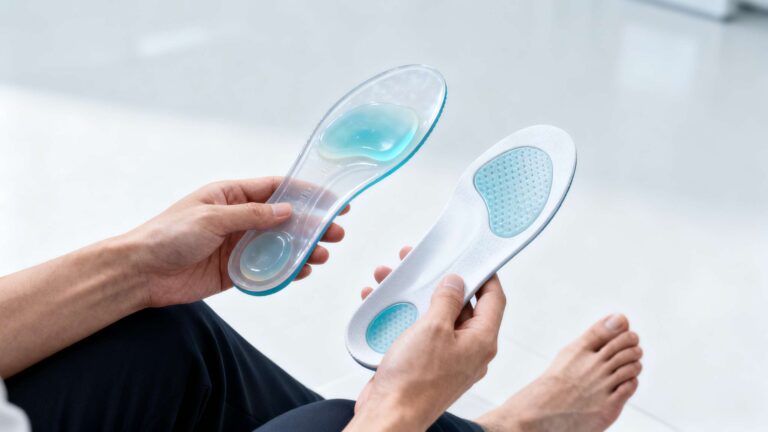
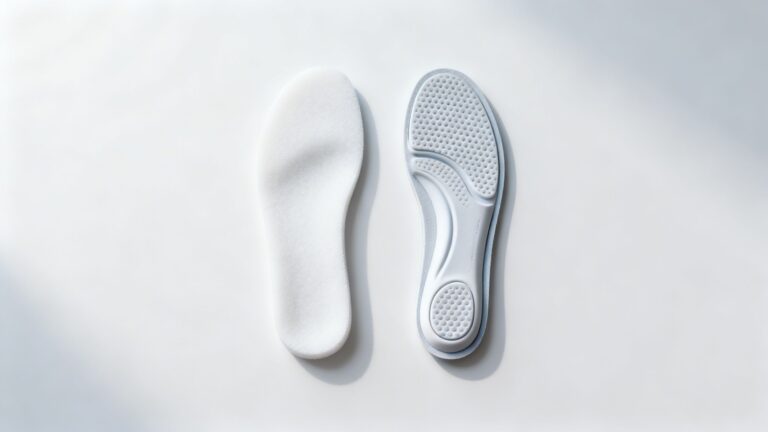
Insoles are not a cure—but they can play a powerful role in managing both flat feet and bunions when used correctly.
They are most helpful when:
- Arch collapse is contributing to poor alignment
- The foot needs structured support
- Pressure needs to be redistributed away from the big toe
By supporting the arch, insoles help:
- Reduce inward rolling
- Stabilize the foot
- Limit excessive pressure on the bunion area
For alignment-focused support, options explained in insoles for flat feet can help restore a more balanced foundation.
Matching Support to Your Needs
Not all insoles work the same way.
- Mild symptoms → moderate support
- Ongoing discomfort → firmer, structured support
- High activity levels → stability + durability
If overpronation is part of the issue, targeted support like best insoles for overpronation can reduce the inward movement that contributes to bunion stress.
When Medical Care Is Necessary
While many cases can be managed conservatively, there are times when professional evaluation is needed.
You should consider seeing a specialist if:
- Pain becomes persistent or severe
- The bunion continues to grow
- Walking becomes difficult
- Conservative methods don’t provide relief
Medical options may include:
- Physical therapy
- Custom orthotics
- In advanced cases, surgical correction
Early intervention often prevents the need for more aggressive treatment later.
Prevention: How to Reduce Your Risk
Even if you already have flat feet, there are steps you can take to lower the likelihood of developing bunions—or prevent them from worsening.
1. Maintain Proper Foot Alignment
Consistent support—whether from footwear or insoles—helps reduce abnormal stress on the big toe joint.
2. Choose the Right Footwear
Look for:
- Wide toe boxes
- Proper arch support
- Stable heel structure
Shoes that match your foot shape reduce unnecessary pressure.
3. Build Strength and Stability
Strong feet handle stress better.
Regular strengthening improves:
- Arch control
- Joint stability
- Overall foot mechanics
4. Replace Worn-Out Support
Old shoes and insoles lose their effectiveness over time.
If you’re unsure when to replace them, this guide on signs you need new insoles can help you recognize when support is no longer doing its job.
5. Stay Consistent
Prevention isn’t about doing everything perfectly—it’s about doing the right things consistently.
Small adjustments, done regularly, make the biggest difference.
Frequently Asked Questions
Do flat feet always lead to bunions?
No. While flat feet increase the risk, not everyone with flat feet develops bunions. Other factors like genetics and footwear also play a role.
Can bunions be reversed without surgery?
Bunions cannot be fully reversed without surgery, but symptoms can be managed and progression slowed with proper support and care.
Are insoles enough to prevent bunions?
Insoles help reduce contributing factors like poor alignment, but they work best when combined with proper footwear and foot care habits.
Is walking bad if you have flat feet and bunions?
Not necessarily. Walking is generally fine, but it’s important to have proper support to avoid excessive stress on the foot.
How long does it take for bunions to develop?
Bunions develop gradually over time, often over months or years depending on contributing factors.
For more insights, see every guide on insoles and foot health here.
Final Thoughts: Address the Mechanics Early
The relationship between flat feet and bunions comes down to one thing—mechanics.
When the arch collapses:
- Alignment shifts
- Pressure increases
- Stability decreases
Over time, those changes can lead to structural issues like bunions.
The key isn’t just reacting to pain—it’s understanding what’s causing it.
By improving alignment, supporting your foot properly, and staying consistent with simple habits, you can reduce stress on the big toe joint and protect your long-term foot health.