Why Does the Side of My Foot Hurt?
Pain along the side of the foot can be difficult to understand because the location covers several different structures. You may notice discomfort along the outer edge, near the little toe, around the midfoot, or closer to the heel. It can appear after a long walk, during a workout, after standing at work, or when a particular pair of shoes presses against the foot. The pattern matters because side of foot pain can come from activity, footwear, irritation of tendons or joints, or an injury.
Pain on the side of the foot can have several possible causes, including overuse, footwear pressure, changes in walking or exercise, and irritation of tissues around the bones and joints. The outer and inner sides also involve different structures, so where the pain sits, what movement triggers it, and whether it followed an injury can help narrow what may be happening.
Where on the Side of Your Foot Does It Hurt?
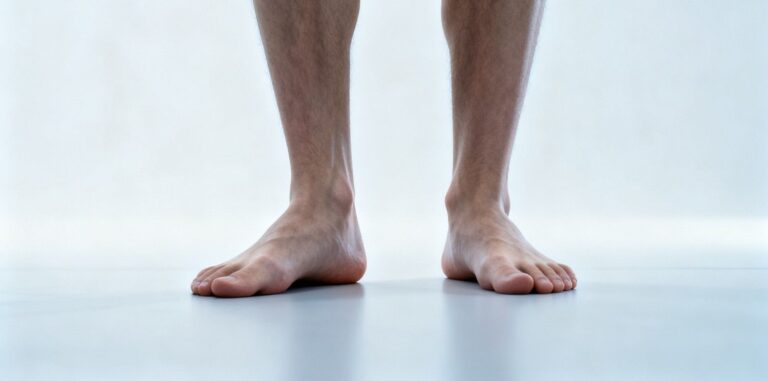
The side of the foot is not one single structure. Pain on the outer side may occur around the fifth metatarsal, near the little toe, or farther back toward the heel and ankle. The inner side includes the arch and structures that help support the foot during standing and walking.
Pain across the top of the foot is covered in top of foot pain causes.
This distinction is useful because pain near the outer edge can have a different pattern from discomfort along the inner side. A person may feel tenderness after repeatedly walking on uneven ground, while someone else notices pressure from a shoe that is too narrow or stiff.
Movement can provide another clue. Pain that appears mainly when pushing off, turning, climbing stairs, or walking longer distances may reflect a different pattern from discomfort that is present even while resting.
If you are unsure exactly where the discomfort is located, the Interactive Foot Pain Tool can help you identify the area and explore related foot-pain information.
What Can Cause Pain Along the Side of the Foot?
One common possibility is overuse. Increasing your walking distance, running, exercise, or time spent standing can place more repeated load through the foot than it is accustomed to handling. The discomfort may build gradually rather than appearing during one obvious moment.
Footwear can also contribute. Shoes that squeeze the forefoot, press along the sides, or do not match the shape of the foot can create repeated pressure. This may become more noticeable after several hours because the foot has been inside the same shoe while continuing to move and bear weight.
Tendons and joints around the side of the foot can also become irritated after repeated activity. On the outer side, structures around the fifth metatarsal and ankle help control movement and stability. On the inner side, the arch and surrounding tissues are involved in supporting the foot during walking.
A direct injury is another possibility. A misstep, twist, fall, or impact can affect the bones, joints, ligaments, or tendons on the side of the foot. That pattern is different from discomfort that develops slowly during a normal workday.
How Walking, Standing, and Footwear Can Trigger Side Pain
The activity that brings on the pain is often worth examining closely.
Walking creates repeated loading as your weight moves from the heel toward the forefoot. If you are walking farther than usual, moving over uneven pavement, climbing hills, or carrying something heavy, the workload can increase.
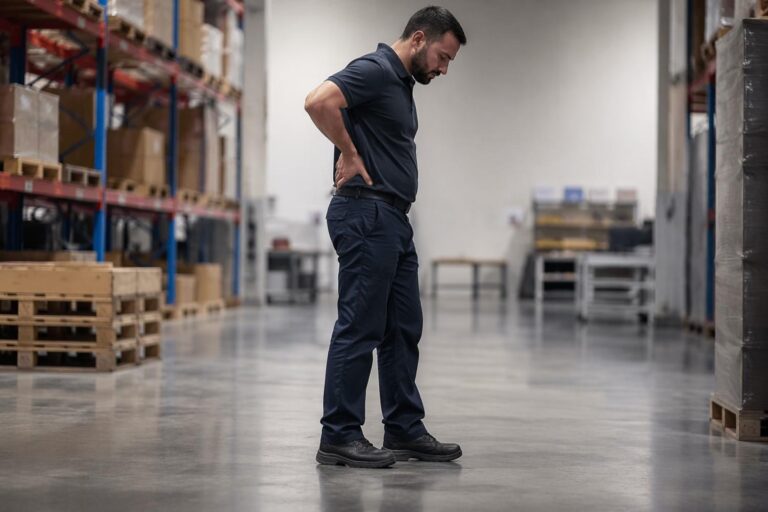
Standing produces a different kind of demand. Your feet remain under continuous load while supporting your body, and discomfort may gradually build during a long shift even without much walking.
Footwear can then change how that load is experienced. A shoe that is too narrow around the outside of the foot can create pressure against the little-toe side. A shoe with poor support or an unstable fit may also make walking feel more demanding.
Hard surfaces can add to overall fatigue, particularly when standing or walking for hours. Why Hard Floors Cause Foot Fatigue explains how firm flooring can contribute to accumulated foot workload.
Why the Pain May Become More Noticeable Later
Timing can help separate a temporary irritation from a pattern that deserves more attention.
If the side of your foot feels normal in the morning but becomes uncomfortable after several hours of walking or standing, accumulated workload may be contributing. The same shoe and same floor can feel very different once your feet are tired.
A different pattern is pain that begins immediately with weight-bearing or appears suddenly during one particular movement. A sharp onset after a twist, awkward landing, or direct impact deserves more attention than mild soreness after an unusually active day.
It is also useful to track whether the pain settles overnight. Discomfort that improves with rest and returns only after a demanding activity is different from pain that continues while resting or becomes progressively easier to trigger.
Pay attention to whether the pain is on the inner or outer side, whether one foot or both are involved, and whether there is swelling, bruising, tenderness, or difficulty walking normally. These details can provide useful context when deciding what to do next.
When Side of Foot Pain Should Not Be Ignored
Mild discomfort after a major increase in activity may settle when the workload is reduced and footwear is made more comfortable. But persistent or worsening pain deserves more attention.
Be especially cautious when the pain follows an injury, is concentrated in one very specific spot, or makes it difficult to put normal weight on the foot. Significant swelling or bruising is another reason to have the foot assessed.
Pain that continues at rest, repeatedly returns during ordinary walking, or gradually becomes stronger also should not simply be dismissed as tired feet.
Your symptoms do not automatically identify one specific condition. The side of the foot contains bones, joints, tendons, ligaments, and other tissues, and several problems can produce similar sensations. The pattern, timing, activity level, footwear, and progression all matter.
When the discomfort is linked to shoes, it is also worth considering the complete relationship between footwear and support rather than assuming an insole alone will solve the problem. A shoe that is too tight, too shallow, or poorly suited to your activity can continue creating pressure even after you change the insole.
What You Can Try When the Side of Your Foot Hurts
If the discomfort started after a noticeable increase in walking, exercise, standing, or another activity, reducing that load temporarily can be a sensible first step. Avoid repeatedly pushing through movements that clearly make the pain worse.
Footwear is worth checking at the same time. Look for pressure along the inner or outer edge of the foot, particularly around the little-toe side or across the arch. A shoe that feels comfortable for a short period can become much less forgiving after several hours of walking.
Once the symptoms settle, increase activity gradually rather than returning immediately to the previous workload.
Can Footwear or Insoles Change the Pressure?
They can. A shoe that is too narrow, poorly shaped for your foot, or lacking enough structure may increase pressure along one side during walking.
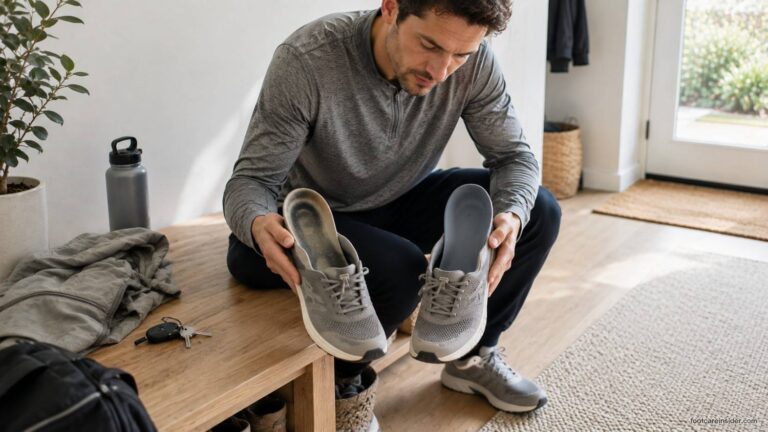
An insole can also change how the foot sits inside the shoe. A supportive design may alter underfoot pressure and feel more stable for some people, while a thick insole can reduce available space and create new pressure against the upper.
The goal is therefore not simply to add more cushioning or support. The entire combination of shoe shape, insole profile, available space, and your normal walking pattern needs to remain comfortable.
How to Reduce the Chance of Side Foot Pain Returning
Pay attention to changes in activity before symptoms appear. A sudden increase in walking distance, running, hills, stairs, or standing time can increase the workload on the foot.
Footwear condition matters as well. Replace shoes when their cushioning, structure, or fit has noticeably deteriorated rather than waiting until they become extremely uncomfortable.
If your work or daily routine involves long periods on hard flooring, changing position and taking reasonable opportunities to rest can also reduce accumulated loading.
When Should Side of Foot Pain Be Checked?
Persistent or worsening pain should be assessed rather than repeatedly managed through shoe or activity changes alone.
Professional evaluation is particularly appropriate after an injury, when there is substantial swelling or bruising, when one very specific spot remains painful, or when you cannot comfortably bear normal weight.
Pain that continues while resting or repeatedly returns during ordinary walking also deserves attention. Because different bones, joints, tendons, and ligaments occupy the inner and outer sides of the foot, similar symptoms can have different underlying causes. Understanding how foot movement can affect load distribution may also be useful, and Overpronation vs Supination explains the difference between these two movement patterns.
Common Questions
Why does the outside of my foot hurt when I walk?
Pain along the outer edge can be related to activity, footwear pressure, or irritation of structures around the foot and ankle. The exact location and what triggers the pain are important clues.
Why does the inside of my foot hurt when I walk?
The inner side includes the arch and several structures involved in supporting the foot. Increased activity, prolonged standing, footwear, and individual foot mechanics can all influence discomfort in this area.
Can tight shoes cause side of foot pain?
Yes. Shoes that press against the sides of the foot can create repeated pressure, particularly around the forefoot and little-toe side. The problem may become more noticeable after several hours.
Can overpronation cause pain on the side of the foot?
A change in how the foot moves during walking can affect how load is distributed, but side-of-foot pain alone does not establish overpronation. The overall symptom pattern matters.
Should I use an insole for side of foot pain?
An insole may change underfoot support or cushioning, but it is not automatically appropriate for every cause. If the shoe is already tight, a thicker insole can sometimes make pressure worse.
When the Pattern Keeps Returning
Side of foot pain is best considered as a combination of location, activity, footwear, and progression. Mild soreness after an unusually demanding day may settle with reduced activity and better-fitting footwear. Pain that becomes persistent, more intense, or increasingly difficult to trigger with normal walking deserves a closer assessment.