Why Do Insoles Feel Flat After a Few Months?
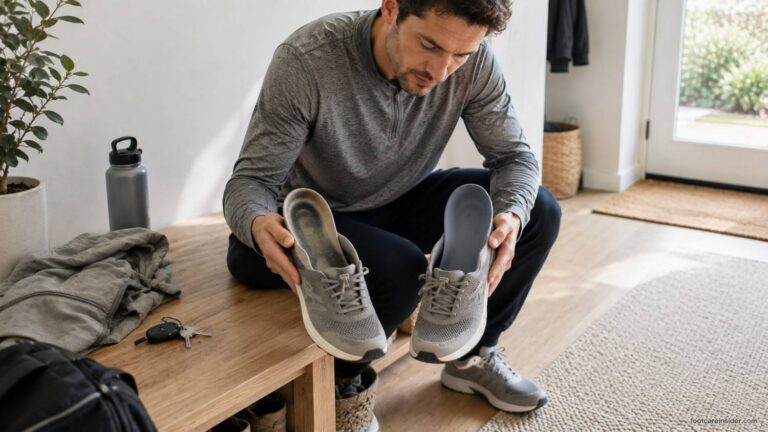
At first, a new pair of insoles can make walking or standing feel noticeably more comfortable. The cushioning feels responsive, the arch seems supportive, and your shoes may even fit better. After a few months, though, that same pair can start feeling surprisingly flat. Long workdays, daily walks, commuting, or repeated use on hard surfaces can gradually change how an insole performs, even if it still looks perfectly usable.
Most insoles feel flat over time because their cushioning materials gradually compress under repeated body weight and movement. As foam loses its ability to rebound, it provides less shock absorption and may no longer support the arch or distribute pressure as effectively. The lifespan depends on the material, how often the insoles are used, body weight, footwear, and the surfaces you walk or stand on each day.
What Happens When Insoles Start Feeling Flat?
An insole rarely fails overnight. Instead, small changes develop gradually until you realize your shoes no longer feel as comfortable as they once did.
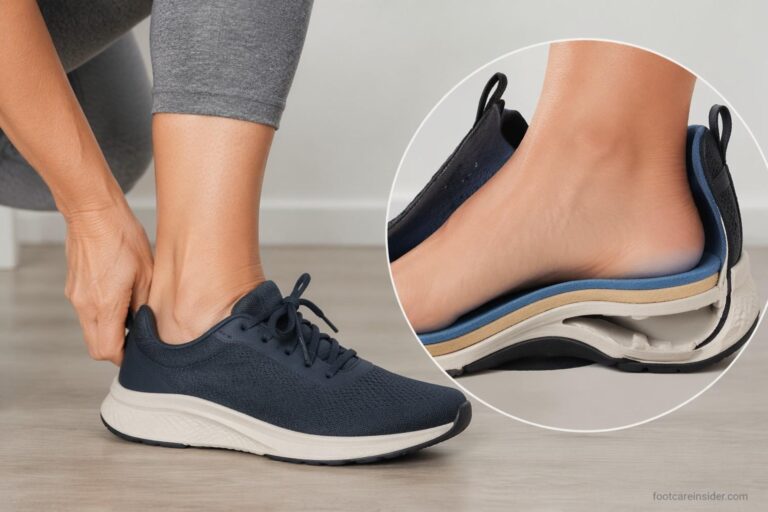
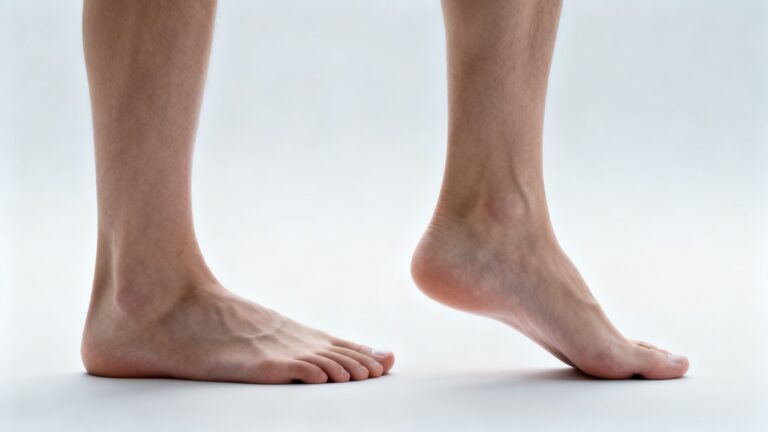
Most modern insoles rely on materials such as EVA foam, polyurethane foam, memory foam, or layered cushioning systems. These materials compress slightly with every step. During walking, the heel absorbs the first impact before weight shifts across the arch toward the forefoot and the metatarsals, the long bones just behind the toes.
When the foam is new, it springs back after each step. Over weeks and months of repeated loading, that recovery becomes less complete. The material may remain permanently compressed, reducing both cushioning and support.
Readers interested in how support changes over time may also find Do Insoles Lose Arch Support Over Time? helpful.
Why Everyday Use Gradually Changes an Insole
Every step places thousands of pounds of cumulative force through your footwear over the course of a normal day. Someone who spends eight hours standing on concrete, walks several miles during a shift, or regularly exercises places much greater demands on an insole than someone who wears it only occasionally.
Several everyday factors speed up the process:
- Long periods of standing on hard floors
- Daily walking or commuting
- Higher body weight
- Frequent athletic activity
- Heat and moisture inside shoes
- Repeated compression without enough recovery time
Moisture from perspiration can also affect some foam materials. While it usually doesn’t ruin the insole immediately, repeated exposure combined with body heat can gradually reduce the foam’s resilience.
This is one reason two people using the exact same insole may experience very different lifespans.
Factors That Make Some Insoles Flatten Faster
Not every insole ages at the same rate. Construction quality, material density, and intended use all influence how long an insole maintains its original feel.
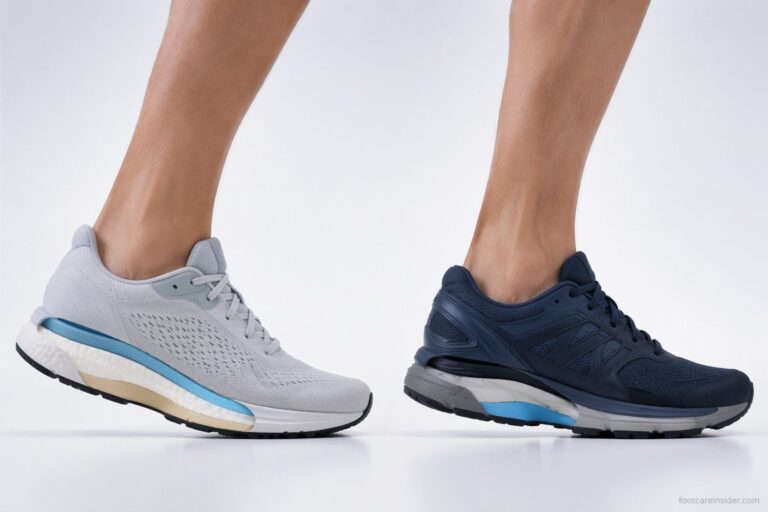
Softer memory foam often delivers excellent initial comfort but may compress faster under heavy daily use. Denser EVA foam generally retains its shape longer, while some polyurethane-based insoles are designed to better resist long-term compression.
Usage also matters.
For example, someone wearing supportive walking shoes for occasional errands may notice very little change after several months. By contrast, a warehouse employee spending ten-hour shifts on concrete floors may begin noticing reduced cushioning much sooner.
People with overpronation, where the foot rolls inward excessively during walking, can also create uneven loading that increases wear in certain areas.
If you’re curious how repeated loading changes an insole’s structure, Why Do Insoles Wear Out Unevenly? explains why some areas compress faster than others.
Signs Your Insoles Are Losing Performance
Many people assume an insole is still working because it hasn’t torn or cracked. In reality, performance often declines long before visible damage appears.
Common early signs include:
- Your shoes no longer feel as cushioned.
- Heel impact feels sharper during walking.
- Your arches become tired earlier in the day.
- Foot fatigue develops sooner than it used to.
- The insole feels thinner than when it was new.
- Shoes feel comfortable for shorter periods.
As compression continues, you may notice discomfort extending beyond your feet. Some people experience tired calves or mild lower-leg fatigue because the footwear is no longer distributing pressure as effectively.
Persistent pain isn’t always caused by worn insoles, but if you’re unsure exactly where discomfort begins, the Interactive Foot Pain Tool can help identify the location of your symptoms and explore common causes.
When a Flat Insole Becomes More Than an Annoyance
A slightly compressed insole isn’t automatically a problem. If your daily activities are light and your shoes still feel comfortable, you may not notice much difference.
However, flattened cushioning becomes more important when you spend long hours standing, walk several miles each day, or rely on the insole for additional comfort or orthotic support. Reduced shock absorption may increase pressure on the heel, arch, or forefoot, making fatigue build earlier during the day.
The change is often gradual enough that people adapt without realizing it until they try a newer pair and immediately notice the difference.
Understanding why an insole loses its original feel makes it much easier to decide whether simple footwear adjustments are enough or whether replacing the insole is the better long-term solution.
Non-Commercial Ways to Extend Insole Life
If your insoles feel flat after a few months, replacing them is not always the first step. Small changes to your daily routine can help reduce compression and slow wear. Allowing shoes to dry completely between uses, rotating between two pairs of footwear, and removing the insoles after long walks can help moisture evaporate instead of remaining trapped inside the shoe. Excess moisture can gradually affect cushioning materials such as EVA foam, making them feel less responsive over time.
Walking habits also influence how quickly insoles lose their shape. Long days on concrete, repeated high-mileage walks, or carrying heavier loads place greater stress on the heel, arch, and forefoot. While these activities cannot always be avoided, alternating footwear for different activities can distribute wear more evenly. If you notice discomfort developing in a specific area of your foot, the Interactive Foot Pain Tool can help you identify the location of your symptoms and explore possible causes before deciding whether your insoles or footwear may be contributing.
When a Different Type of Insole May Help
Not every insole wears at the same rate. Softer cushioning models often provide immediate comfort but may compress more quickly with frequent use. Firmer insoles that include structured arch support or denser foam materials may retain their shape longer, especially for people who spend many hours standing or walking.
If your current insoles consistently feel flat after only a few months, it may be worth considering whether a different support style better matches your daily routine rather than simply replacing them with the same model. Choosing an insole that fits both your footwear and activity level can sometimes improve long-term comfort and durability without changing your shoes.
Readers comparing different support materials may also find EVA vs PU Insoles helpful when deciding how cushioning materials perform over time.
When It May Be Time to Seek Professional Advice
Gradual insole wear is normal, but persistent foot discomfort is not always caused by worn inserts alone. If your feet continue to feel painful even after replacing old insoles, or if discomfort becomes progressively worse during everyday walking, it may be worthwhile to speak with a podiatrist or another qualified healthcare professional.
Pain that is severe, affects only one foot, or continues even when you are not standing may indicate an underlying condition rather than simple insole fatigue. A professional assessment can help determine whether footwear, gait, or another factor is contributing to your symptoms.
Preventing Insoles from Feeling Flat Too Soon
While no insole lasts forever, a few simple habits can help preserve support for longer:
- Rotate between multiple pairs of shoes if possible.
- Let insoles air dry after long walks or hot days.
- Replace shoes that have lost their own structural support.
- Match your insole type to your daily activity level.
- Check insoles regularly for permanent compression, cracking, or uneven wear.
A quick comparison can also help when choosing replacement materials. Softer foam often prioritizes immediate comfort, while denser materials generally maintain their shape longer under repeated daily use.
Common Questions
How long should insoles keep their arch support?
The lifespan depends on the material, how often they are worn, and the user’s activity level. Many everyday insoles gradually lose some support after several months of regular use, while more structured models may retain their shape longer.
Can flat-feeling insoles still be used?
If they still fit securely and provide adequate comfort, they may continue to be usable. However, insoles that remain permanently compressed or no longer support your arch as intended may be less effective during prolonged walking or standing.
Do heavier people wear out insoles faster?
In many cases, greater body weight places more pressure on cushioning materials, which can lead to faster compression. Choosing an insole designed for higher loads may improve durability.
Does walking every day shorten insole lifespan?
Daily walking naturally increases wear compared with occasional use. The more repetitive impact your insoles absorb, the sooner cushioning materials may begin to flatten.
Can washing insoles make them lose support?
Improper washing methods, especially machine washing or high heat, may affect certain foam materials. Following the manufacturer’s cleaning recommendations can help preserve their structure.
Conclusion
It is normal for insoles to feel flatter as cushioning materials gradually compress with repeated use. Daily walking, long hours on hard surfaces, moisture, and the type of foam all influence how quickly this happens. Paying attention to changes in comfort, rotating footwear, and choosing an insole suited to your activity level can help maintain support for longer. If discomfort continues even after replacing worn insoles, a professional evaluation may help identify other contributing factors.