Best Insoles for Tight-Fitting Shoes
If your shoes already feel snug, adding the wrong insole can quickly make them uncomfortable. Your toes may feel cramped, the top of your foot may feel squeezed, or your heel may start slipping because the shoe no longer fits as intended. This is common with dress shoes, slim sneakers, golf shoes, cycling shoes, work shoes, and many casual low-volume footwear styles where there isn’t much extra space inside.
The good news is that you don’t necessarily need thinner shoes—you usually need a slimmer insole that provides support without taking up unnecessary room. This guide explains which insole direction makes the most sense for tight-fitting shoes, how to recognize when your current insoles are creating the problem, and what features deserve the most attention before you buy.
For tight-fitting shoes, low-profile insoles are usually the best starting point because they preserve valuable shoe space while still providing support and cushioning. The right choice depends on how tight your shoes feel, where your feet become uncomfortable, and whether you need added stability, pressure relief, or simply a better-fitting replacement for the original insole.
Why Tight-Fitting Shoes Become Uncomfortable
Shoes that fit closely often feel great when they’re brand new because they hold the foot securely without excessive movement. The problem begins when the available space inside the shoe becomes even smaller.
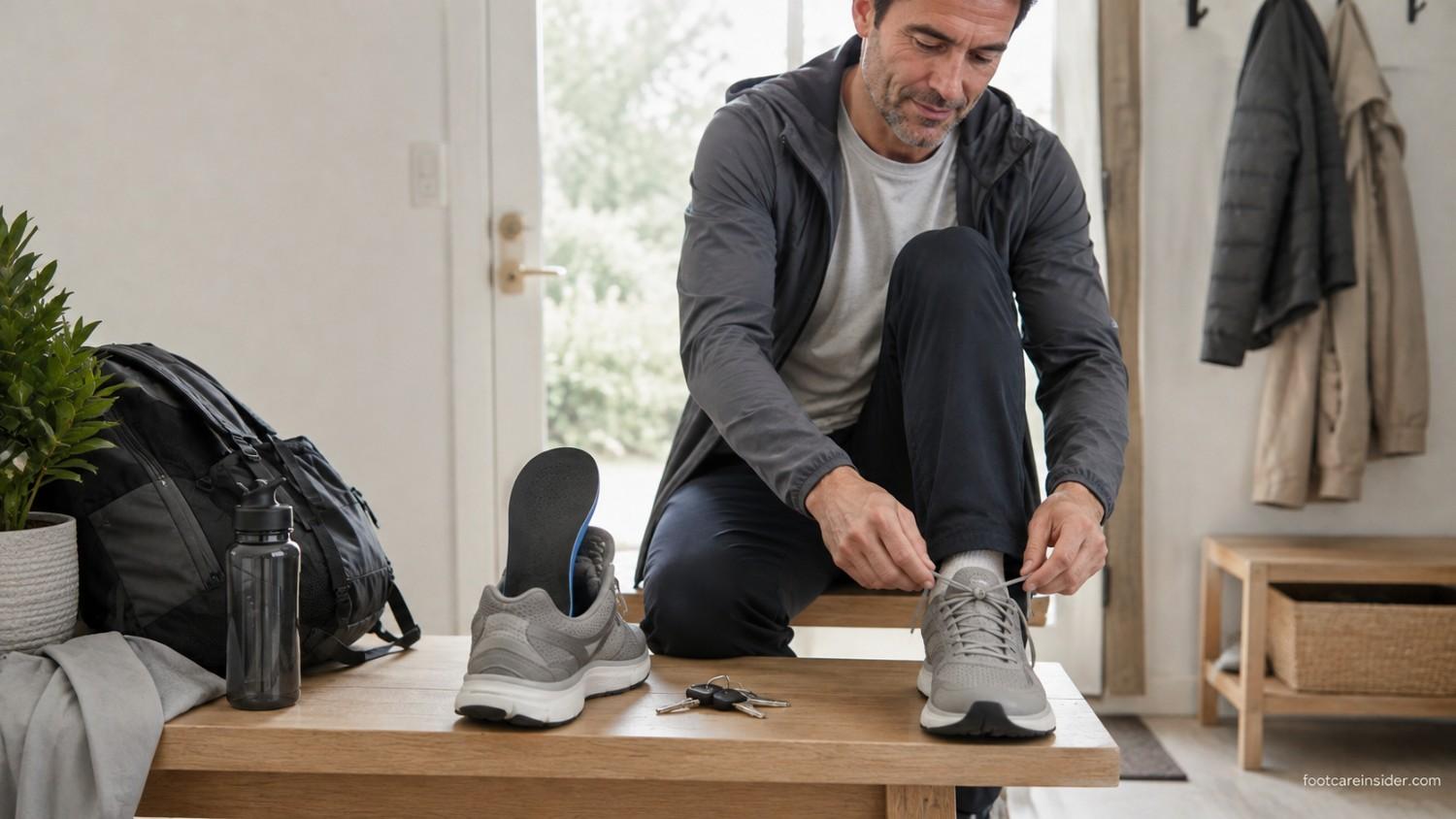
Replacing a thin factory liner with a thick aftermarket insole can reduce toe room, raise your foot higher inside the shoe, or create pressure across the top of the foot. Even a few extra millimeters of thickness can noticeably change how a shoe fits.
You might notice the difference after several hours of walking rather than immediately. Your forefoot may feel compressed, your toes may rub against the upper, or your heel may no longer sit securely in the heel cup. Instead of improving comfort, the wrong insole can make a properly fitting shoe feel one size smaller.
Readers comparing different insole thicknesses may also find Low-Profile vs Standard Insoles for Shoe Fit helpful before deciding which style best matches their footwear.
Choosing the Right Support Without Losing Shoe Space
The goal isn’t simply to buy the thinnest insole available. Instead, you’re looking for the best balance between support, cushioning, and available room inside the shoe.
Your decision usually comes down to four practical questions:
- How much space is available inside the shoe?
- Do your feet mainly feel tired, unsupported, or compressed?
- Are you walking long distances or mostly wearing the shoes casually?
- Do you need additional arch support or simply better cushioning than the factory liner provides?
Answering these questions helps narrow the right insole direction before comparing individual products.
Why Slim Shoes Create Different Support Challenges
Low-volume footwear places unique demands on both your feet and your insoles.
Unlike roomy walking shoes, tighter footwear leaves very little extra space for additional cushioning materials such as thick memory foam or deep gel inserts. Every layer added inside the shoe changes how your foot sits against the heel counter, toe box, and upper.
This often shifts pressure toward the forefoot, the area behind the toes formed by the metatarsals. At the same time, the arch may receive less consistent support if the original liner compresses over time. Some people also notice irritation around the heel because their foot no longer sits securely in the shoe after installing a bulky replacement insole.
The challenge is maintaining enough cushioning for everyday comfort while preserving the fit that made the shoe comfortable in the first place.
Why Original Insoles Don’t Always Solve the Problem
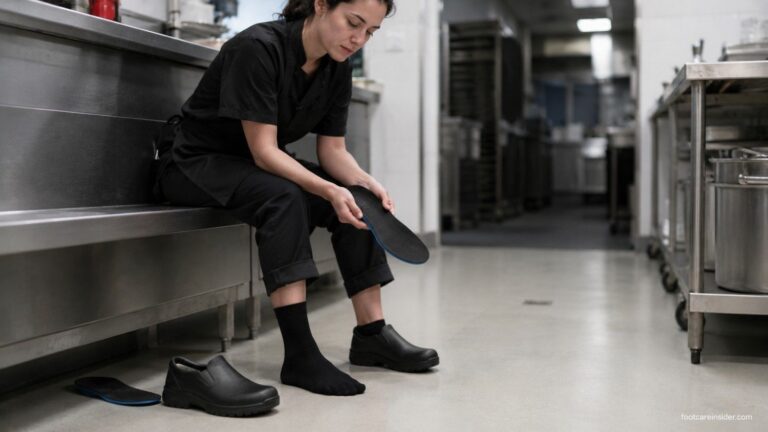
Factory insoles are designed to fit a wide variety of feet while keeping manufacturing costs reasonable. Many are intentionally thin to maximize internal shoe volume rather than provide long-term comfort.
That doesn’t automatically make them poor insoles. For many people, they work perfectly well.
However, if you spend several hours walking each day or notice growing foot fatigue, they may flatten over time or provide only minimal arch support. Replacing them with an overly thick aftermarket insole often creates a different problem by reducing valuable interior space.
The best replacement usually matches the original thickness fairly closely while offering better support retention or pressure distribution. That’s why slim EVA foam designs, low-profile orthotic support, or lightweight polyurethane constructions often work better than bulky comfort inserts inside tighter shoes.
Which Insole Direction Makes the Most Sense?
If your shoes already fit closely, low-profile support insoles are generally the safest starting point because they preserve the original fit while adding modest stability. They work well for everyday sneakers, business shoes, and walking footwear with limited interior volume.
If your feet mainly become tired after long walks, a slim cushioning insole may provide extra underfoot comfort without noticeably affecting shoe fit. This approach often suits people who don’t need significant structural support.
For mild arch fatigue, look for low-volume insoles that include gentle orthotic support instead of thick cushioning. They can provide a more supportive feel without making the shoe noticeably tighter.
If pressure builds beneath the forefoot, a thinner insole with balanced cushioning often feels better than heavily padded designs that crowd the toe box.
Finally, if your shoes already feel extremely tight before replacing the insoles, switching to thinner replacement liners may make more sense than trying to add substantial cushioning. In some cases, choosing footwear with slightly more internal volume is the more practical long-term solution.
Once you understand how much space your shoes allow and what kind of support your feet actually need, comparing different low-profile insole designs becomes much simpler.
Best for Shoes That Already Fit Well
If your shoes feel comfortable except for mild underfoot fatigue, a slim low-profile insole is usually the best place to start. It preserves the original fit while providing modest cushioning and support. The trade-off is that it won’t offer as much shock absorption as thicker designs during long days of walking.
Best When Your Arches Feel Tired
If you notice gradual arch fatigue rather than heel soreness, look for a low-volume insole with gentle orthotic support. These designs help maintain foot alignment without taking up excessive shoe space. They are less suitable if your shoes are already extremely tight across the top of the foot.
Best for Long Days of Walking
For people who spend several hours walking, choose a slim insole that balances cushioning with durability. It should absorb repeated impact while remaining thin enough to avoid making the shoe feel cramped. Extremely plush insoles may initially feel softer but often reduce valuable toe room.
Best if Your Factory Insoles Flatten Quickly
If your original insoles lose their shape after months of use, a firmer replacement made from quality EVA foam or polyurethane may retain support for longer. These materials often provide more consistent comfort over time, although they may feel slightly firmer during the first few days of wear.
Best When Every Millimeter Matters
Some dress shoes, cycling shoes, golf shoes, and fashion sneakers simply don’t have room for bulky aftermarket insoles. In these situations, preserving shoe fit should take priority over maximum cushioning. A thin replacement that closely matches the original thickness usually delivers a better overall result than forcing a thicker insole into limited space.
Readers who are unsure whether trimming is appropriate may also find Can You Trim Insoles to Fit Your Shoes? useful.
Frequently Asked Questions
Should I remove the original insoles first?
Yes, if your shoes have removable factory insoles. Stacking a new insole on top of the original usually reduces interior space and may affect fit.
Are thicker insoles always more comfortable?
Not necessarily. In tight-fitting shoes, extra thickness can create pressure that outweighs any additional cushioning.
Can low-profile insoles still support my arches?
Yes. Many low-profile models provide moderate arch support while maintaining a slim design suitable for shoes with limited interior volume.
How often should I replace insoles in tight-fitting shoes?
It depends on how often you wear them, but many people benefit from replacing them once they lose noticeable support, cushioning, or structural shape.
Our picks: Tight shoes are often a fit problem first. Here is a roomier option to look at.
Wide Toe Box Loafers with Arch Support – A roomier-toe shoe with arch support built in.
Final Verdict
If your shoes already fit closely, start with a low-profile insole that preserves interior space while providing the support your feet actually need. Choose additional cushioning only when your footwear has enough room to accommodate it. Matching the insole to both your shoes and your daily routine usually produces better long-term comfort than simply choosing the thickest option available.