Cushioning vs Stability Insoles: What’s the Difference?
Many people searching for better foot support assume all insoles work the same way until they try two completely different designs. One pair may feel soft and shock-absorbing right away, while another feels firmer and more structured under the arch. That difference usually comes down to cushioning versus stability.
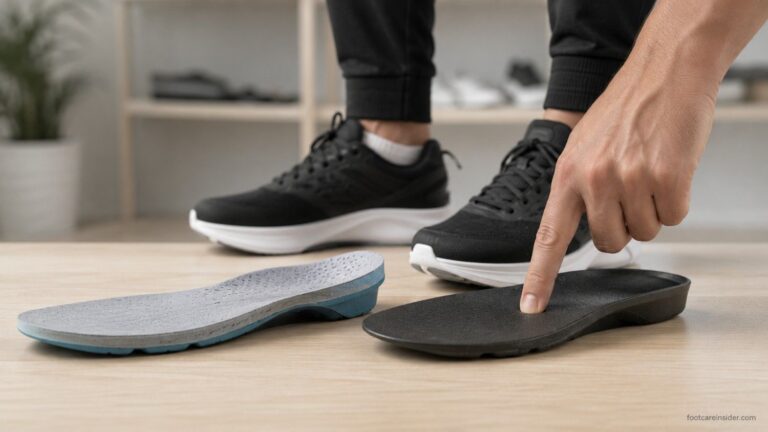
Cushioning insoles mainly focus on comfort and pressure reduction, while stability insoles are designed to control movement and improve support during walking or standing. Neither type is automatically better for everyone. The right choice depends on how the feet move, how long someone stands each day, and what kind of fatigue or discomfort they are trying to reduce.
The confusion becomes more noticeable because some insoles combine both features partially, making it harder to understand what the foot actually needs in real-world use.
For a simpler take, see cushioning vs support insoles.
Cushioning and Stability Serve Different Purposes
Cushioning insoles are primarily built to soften impact.
They usually use:
- memory foam
- gel layers
- softer EVA foam
- shock-absorbing materials
The goal is reducing harsh pressure under the:
- heels
- forefoot
- arches
This type of insole often feels immediately comfortable because the foot sinks slightly into the material during walking.
Stability insoles work differently. Instead of emphasizing softness, they focus more on controlling motion and maintaining foot alignment during movement.
These designs commonly include:
- firmer arch support
- reinforced heel cups
- denser foam layers
- structured support shells
People comparing long-term softness versus structure often explore soft vs firm insoles when researching how cushioning comfort differs from movement control during daily wear.
How Cushioning Insoles Behave Under Pressure
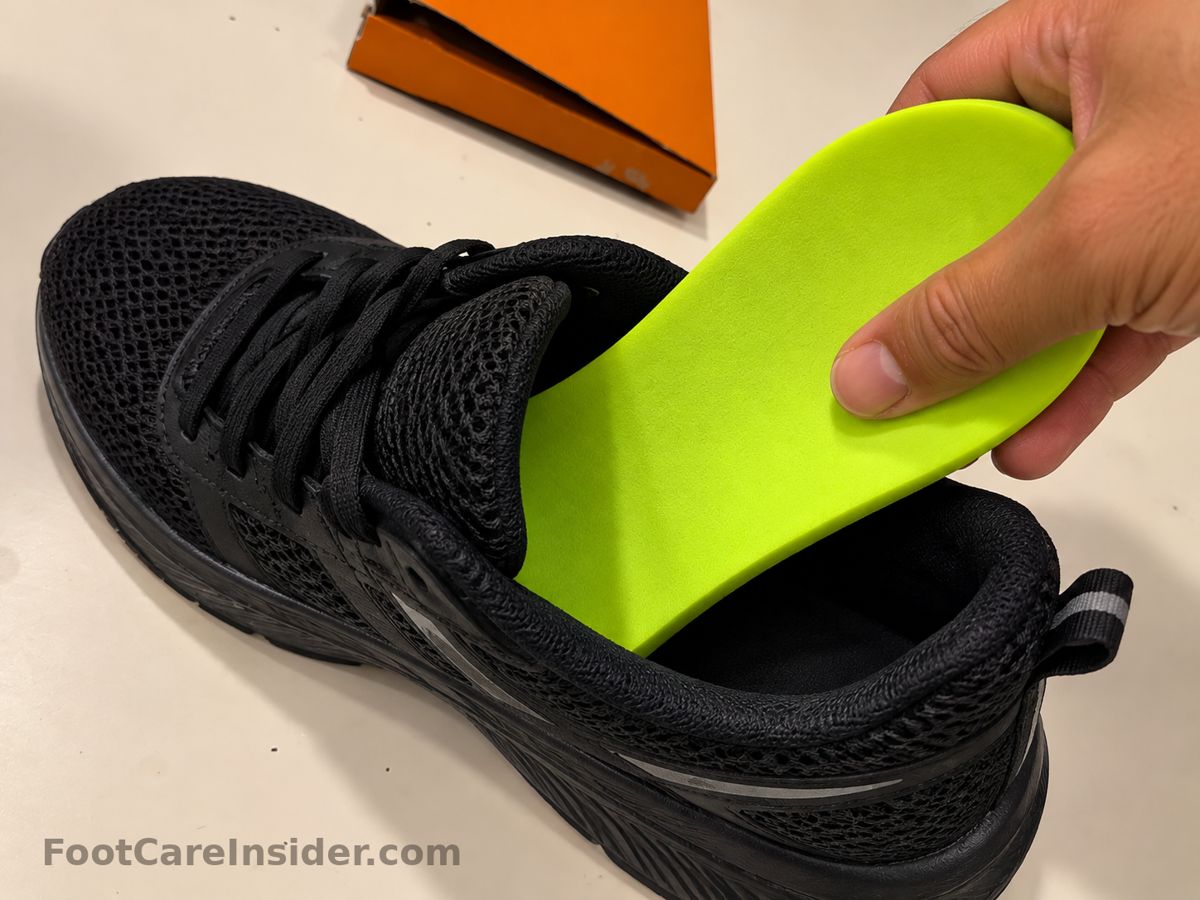
Cushioning insoles compress more under body weight.
That compression helps absorb repetitive impact from:
- walking
- standing
- stair climbing
- hard flooring
For some people, especially those sensitive to pressure points, this softer response feels more natural and comfortable during daily use.
Cushioning-focused designs are commonly used for:
- casual walking
- general comfort
- standing fatigue
- hard floor environments
- temporary soreness relief
The softer feel can reduce harsh ground sensation effectively, especially during shorter periods of activity.
However, very soft cushioning may also allow more inward foot movement during walking. For people with unstable arches or overpronation, excessive compression sometimes reduces long-term support consistency.
How Stability Insoles Feel Different
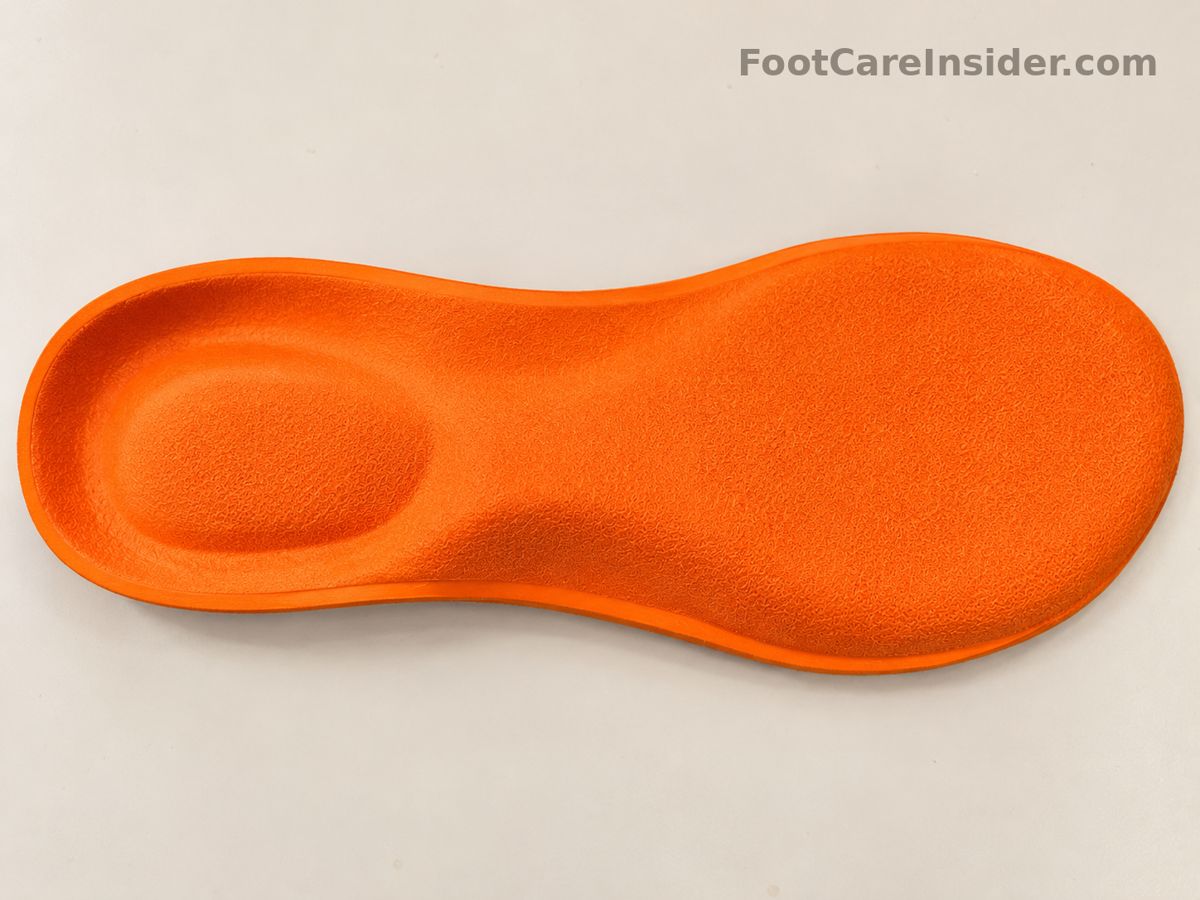
Stability insoles usually feel firmer under the arch and heel.
Instead of allowing the foot to sink deeply into soft foam, they try to guide movement more consistently throughout the walking cycle.
That firmer structure can help:
- reduce excessive inward rolling
- stabilize heel positioning
- improve pressure distribution
- support flatter arches
- reduce repetitive strain during long standing periods
Some people initially describe stability insoles as “harder” because the support remains more noticeable under the foot.
Readers comparing structured support systems often research gel vs orthotic insoles when trying to understand the difference between cushioning comfort and motion-control support.
Material Differences Affect Performance
The materials used inside each type strongly influence how the insoles behave over time.
Cushioning insoles typically rely more on:
- soft foam
- gel inserts
- compressive cushioning layers
These materials absorb force effectively but may flatten faster under heavy repetitive use.
Stability insoles often use:
- denser EVA foam
- reinforced arch components
- firmer structural bases
Because the materials compress less, stability-focused insoles generally maintain their shape longer during extended standing or walking routines.
This does not necessarily mean firmer insoles always feel better. Some people strongly prefer softer cushioning because pressure sensitivity matters more to them than movement control.
Pressure Distribution Feels Different Between Both Types
Cushioning insoles spread pressure by softening contact areas.
This may help reduce:
- heel fatigue
- burning sensations
- forefoot discomfort
- pressure-point irritation
The comfort comes mainly from reducing the sharpness of repeated impact.
Stability insoles approach pressure differently. Instead of simply softening impact, they try to improve how force travels through the foot during movement.
That difference may help reduce:
- arch collapse
- uneven loading
- unstable gait patterns
- repetitive inward rolling
People with flatter arches often notice this distinction more clearly because unsupported movement tends to create fatigue gradually throughout the knees, hips, and lower back.
Standing Jobs Often Change Which Type Feels Better
The longer someone stands each day, the more noticeable these differences become.
Workers on:
- warehouse floors
- hospital corridors
- retail environments
- concrete surfaces
often need a balance between cushioning and structural support.
Very soft cushioning may feel comfortable initially but flatten faster during long shifts. Extremely rigid support may feel too aggressive for people unused to structured arch control.
Workers dealing with prolonged standing fatigue frequently explore insoles for standing all day because repeated pressure changes what type of support feels sustainable over longer periods.
For shorter casual walking sessions, softer cushioning may feel completely sufficient. During 10-hour standing shifts, stability often becomes more important for maintaining consistent support.
Athletic Movement Changes the Experience
Walking and athletic activity place different demands on the feet.
Cushioning insoles may feel smoother during:
- low-impact walking
- daily errands
- casual use
- lighter activity
Stability insoles are often preferred during:
- repetitive motion
- longer walks
- structured training
- stability-focused movement correction
The faster and more repetitive the movement becomes, the more valuable controlled foot positioning may feel for some users.
This is especially true for people who experience:
- uneven shoe wear
- arch fatigue
- ankle instability
- repetitive knee discomfort
Cost and Long-Term Value Differences
Cushioning insoles exist across a very wide price range.
Basic soft foam designs are often inexpensive but may flatten faster under heavy use. Higher-end cushioning systems sometimes combine softer comfort layers with denser support bases to improve durability.
Stability insoles usually cost slightly more because of:
- reinforced construction
- denser materials
- structured support systems
However, they may also maintain shape longer during prolonged daily wear.
Long-term value depends heavily on:
- standing duration
- walking intensity
- body weight
- shoe type
- foot mechanics
Someone standing casually for short periods may get excellent value from softer cushioning. A warehouse worker walking on concrete all day may prioritize structural durability more heavily.
Pros and Cons of Cushioning Insoles
Cushioning insoles are often chosen for immediate comfort. The softer materials help reduce pressure under the heels and forefoot, which can feel especially helpful on hard indoor floors or during lighter daily walking.
That softer feel matters for people who experience:
- pressure sensitivity
- burning feet
- heel soreness
- fatigue from hard surfaces
However, softer cushioning can compress more over time. Some users notice the insoles begin feeling flatter during long standing shifts or repetitive walking routines. Excessive softness may also provide less movement control for people whose feet roll inward significantly during walking.
Pros and Cons of Stability Insoles
Stability insoles usually provide more noticeable arch support and structure.
That added control can help improve:
- walking consistency
- pressure distribution
- ankle positioning
- long-term support during standing
People with flatter arches or unstable foot movement often appreciate the firmer feel once they adapt to it.
The tradeoff is that stability insoles may feel less soft initially. Some users describe them as “harder” during the first few wears, especially if they previously used only soft foam cushioning.
Overly rigid support may also feel uncomfortable if the foot is highly sensitive or if the insole does not match the shoe properly.
Who Should Choose Cushioning Insoles?
Cushioning-focused insoles are usually better for people who prioritize softness and pressure relief over movement control.
This is often a better fit if:
- standing periods are moderate
- feet feel sensitive on hard floors
- pressure points develop easily
- walking is mostly casual
- softer comfort matters most
People who mainly want reduced impact sensation rather than structural correction often prefer cushioning designs.
Readers researching softer pressure-relief systems sometimes compare best insoles for flat feet when trying to balance comfort with gentle arch support during daily walking.
Who Should Choose Stability Insoles?
Stability insoles are often more helpful for people needing consistent support throughout longer periods of standing or walking.
This may be a better fit if:
- arches collapse inward noticeably
- ankles feel unstable
- fatigue increases during long shifts
- walking mechanics feel uneven
- supportive shoes are already being used regularly
People spending many hours on concrete or repetitive walking surfaces often benefit more from structured support because the insole maintains shape more consistently under repeated load.
The goal is not making the foot feel rigid. It is improving how force travels through the lower body during movement.
Long-Term Durability Differences
Durability depends heavily on materials and daily activity level.
Softer cushioning materials generally compress faster because they absorb force by allowing more movement inside the foam itself. This may gradually reduce:
- thickness
- rebound
- pressure relief consistency
Stability insoles often last longer structurally because denser materials resist compression more effectively during repetitive use.
That said, long-term comfort still matters. A highly durable insole that feels uncomfortable during daily wear may not be practical for every user.
The best long-term option usually balances:
- support
- comfort
- pressure control
- durability
- walking mechanics
Micro Comparison Summary
- Cushioning insoles = better for softness, pressure relief, and impact comfort.
- Stability insoles = better for structural support, movement control, and long-term shape retention.
Neither option works best for every foot type or daily routine.
Our picks: Here is one pick for each type, plus a hybrid.
Cushion insoles – Soft shock absorption for tired feet and casual walking.
Superfeet Green – Firm stability for people who need movement control and arch support.
Powerstep Maxx Support – A balance of structure and cushioning if you want both.
FAQ
Are cushioning insoles better for standing all day?
They can feel comfortable initially because they soften pressure from hard floors. However, some softer designs flatten faster during long standing shifts, which may reduce support consistency over time.
Do stability insoles help with flat feet?
They often help people with flat feet by improving arch support and reducing excessive inward rolling during walking. The firmer structure may feel unusual at first but often becomes more comfortable after adjustment.
Why do stability insoles feel harder?
Stability insoles use denser materials designed to maintain shape during movement. Instead of allowing the foot to sink deeply into soft foam, they guide pressure more consistently across the foot.
Can cushioning insoles reduce foot fatigue?
Yes, especially during casual walking or shorter standing periods. Softer cushioning helps absorb repetitive impact and reduce harsh surface pressure beneath the feet.
Which type lasts longer?
Stability insoles generally maintain their shape longer because firmer materials compress less under repeated use. Softer cushioning materials usually wear down faster under heavy standing or walking loads.
Can you combine cushioning and stability?
Some insoles combine softer top layers with firmer support bases. These hybrid designs try to balance comfort and structural control rather than focusing entirely on one feature.
Choosing between cushioning and stability insoles usually comes down to how the feet behave during daily movement. Softer cushioning focuses more on comfort and pressure relief, while stability designs prioritize support consistency and movement control.
For some people, softer comfort is enough. Others need firmer structure because prolonged standing or unstable walking mechanics create fatigue over time.
The better option is the one that matches the foot’s actual movement pattern, activity level, and long-term comfort needs rather than simply feeling softer during the first few minutes of wear.