Thick vs Thin Insoles: Comfort vs Support
Choosing between thick and thin insoles sounds simple at first, but the difference can affect comfort, support, shoe fit, and even daily fatigue more than many people expect. Some people prefer thick insoles because they feel softer and more cushioned, while others find thinner designs more stable and easier to wear throughout the day.
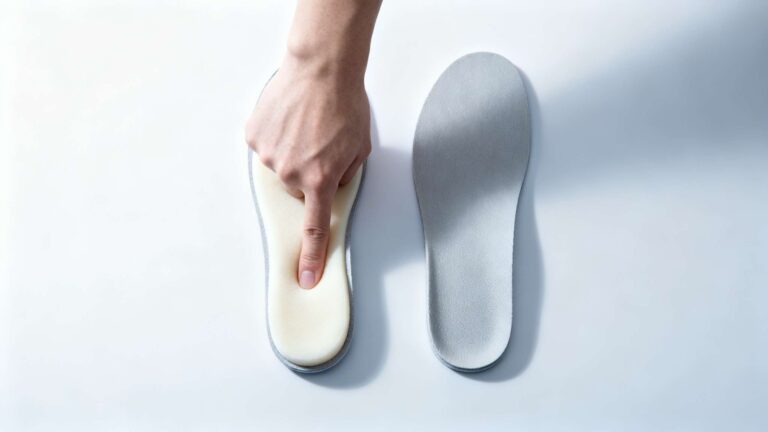
Thick insoles usually focus on cushioning and shock absorption, while thin insoles often prioritize shoe fit, responsiveness, and closer ground feel. Neither option is automatically better. The right choice depends on foot shape, activity level, shoe type, and how much support or softness someone actually needs during daily use.
For people standing on hard floors all day, extra cushioning may feel helpful at first. But in tighter shoes or during athletic movement, thick inserts can sometimes create instability or reduce proper fit.
This comparison explains how thick and thin insoles differ in structure, comfort, support behavior, and long-term usability so the choice feels clearer in real-life situations.
What Thick Insoles Are Designed For
Thick insoles are usually built to increase cushioning between the foot and the ground.
They commonly use:
- layered foam
- gel padding
- shock-absorbing materials
- extra heel cushioning
- softer pressure zones
These designs are often marketed toward:
- standing jobs
- walking comfort
- work boots
- impact reduction
- general fatigue relief
Because thick insoles contain more material, they usually feel softer immediately after putting them on. Many people associate this with better comfort.
However, thicker does not always mean more supportive. Some thick insoles focus mainly on cushioning rather than foot stability or movement control.
Many people also compare gel vs orthotic insoles when trying to understand the difference between cushioning comfort and structured support.
What Thin Insoles Are Designed For
Thin insoles usually prioritize fit, responsiveness, and minimal interference inside the shoe.
Compared to thicker inserts, thin designs commonly:
- take up less shoe space
- maintain closer foot contact
- reduce bulk
- improve shoe compatibility
- allow more natural movement feel
Thin insoles are often used in:
- running shoes
- dress shoes
- tighter footwear
- athletic shoes
- low-volume shoe designs
Some thin insoles still provide decent support through firmer materials or structured arch shaping, even without heavy cushioning layers.
This surprises many people because support strength is not always directly connected to thickness.
Structural Differences Between Thick and Thin Insoles
The main structural difference is how each type distributes pressure and controls movement under load.
Thick insoles generally absorb more surface shock because they contain more cushioning material. This can reduce harsh ground feel during standing or walking on hard flooring.
Thin insoles usually create a firmer and more connected feel inside the shoe. Instead of deeply compressing under pressure, they often provide more direct foot response.
This difference becomes noticeable during movement. Thick insoles may feel softer during slower walking or standing, while thinner structured designs may feel more stable during faster or repetitive movement.
Shoe fit also changes significantly. Thick insoles can sometimes lift the heel too much or tighten toe space inside already snug footwear.
If your shoes are already snug, see our guide to thin insoles for tight shoes for slim options that keep toe room.
Cushioning vs Stability
One of the biggest differences between thick and thin insoles is how they balance cushioning and stability.
Thicker models usually create more underfoot softness and pressure absorption. For some people, especially during long standing shifts, this improves comfort noticeably.
But excessive softness can sometimes reduce stability if the foot sinks too deeply into the material. Over time, softer thick foam may also compress faster.
Thin insoles often provide less cushioning but better ground responsiveness and movement control. This can help some users feel more balanced during walking or athletic activity.
People dealing with flat feet or inward rolling movement often explore stronger support-focused designs in guides like best insoles for flat feet because structure sometimes matters more than softness alone.
Real-Life Daily Use Differences
Standing Jobs
People standing for long hours often prefer thicker cushioning because hard floors increase repeated pressure on the heels and arches. Readers dealing with work-related fatigue sometimes explore insoles for standing all day when comparing cushioning and long-term support performance.
However, extremely soft thick insoles may flatten during long shifts, especially under heavier body weight.
Walking and Daily Movement
For regular walking, both types can work well depending on shoe fit and comfort preference. Thin insoles often feel more natural inside athletic shoes, while thick models may reduce impact more effectively during slower-paced walking.
Athletic Use
Many runners and active users prefer thinner supportive insoles because bulky cushioning can affect shoe responsiveness and movement efficiency.
Tight Shoes and Dress Shoes
Thin insoles usually work better in narrow footwear where extra thickness may crowd the foot or create friction.
Cost and Long-Term Value
Thick insoles sometimes cost more because they use larger amounts of cushioning material or layered construction.
But durability depends more on material quality than thickness alone. Cheap thick foam may compress quickly, while thinner high-density support materials can maintain structure longer.
Long-term value usually depends on:
- activity level
- body weight
- standing duration
- shoe type
- support needs
For some people, replacing softer thick insoles more frequently may still feel worthwhile because of the added cushioning comfort.
Pros and Cons of Thick Insoles
Thick insoles are often chosen for their softer feel and increased shock absorption. Many people notice immediate comfort when standing on hard flooring because the added material reduces pressure against the heel and forefoot.
This can be especially helpful during long work shifts, slower-paced walking, or general fatigue relief. The extra cushioning may also improve comfort inside shoes with very thin factory padding. You can read more in our cushioning vs support insoles.
The downside is that thicker insoles sometimes reduce stability if the foot sinks too deeply into soft foam. In tighter shoes, they may also crowd the foot, reduce toe space, or slightly change walking mechanics.
Some thick foam materials compress faster over time as well, particularly during repeated daily standing.
Pros and Cons of Thin Insoles
Thin insoles usually provide a lower-profile feel that works well in tighter or more structured shoes.
Many people prefer thinner designs because they:
- fit more easily inside shoes
- feel lighter during movement
- improve responsiveness
- maintain closer ground feel
Thin supportive insoles can also provide decent arch support without heavily changing shoe fit.
The limitation is reduced cushioning. For people standing on concrete floors all day, very thin inserts may not absorb enough repeated pressure to reduce fatigue comfortably.
Some thin insoles also feel firmer initially compared to heavily cushioned thick models.
Who Should Choose Thick Insoles?
Thick insoles are often better for people looking mainly for pressure relief and softer underfoot comfort.
This is usually a good fit if:
- you stand on hard floors for long periods
- your shoes have minimal cushioning
- comfort matters more than responsiveness
- you prefer softer foot feel
- your footwear has extra space available
Thicker cushioning can help reduce harsh impact during slower-paced daily activity, especially inside work shoes or boots.
Compared to thinner designs, thick insoles generally prioritize comfort absorption over movement precision.
Who Should Choose Thin Insoles?
Thin insoles are often better for people who want support without changing shoe fit too much.
This may work better if:
- your shoes already fit snugly
- you walk frequently
- you prefer firmer support feel
- you need more movement responsiveness
- you wear athletic or dress shoes regularly
Thin supportive insoles can still provide stability while avoiding the bulk that sometimes comes with heavily cushioned inserts.
Compared to thick foam designs, thin insoles usually feel more controlled and natural during faster movement.
Long-Term Performance Comparison
Over time, material quality matters more than thickness alone.
Cheap thick foam may flatten relatively quickly during repeated standing and walking. Once compression happens, cushioning performance often drops noticeably.
Higher-quality thin supportive insoles may maintain shape longer because firmer materials resist repeated pressure more effectively.
Still, some users continue preferring thicker cushioning despite shorter lifespan because the softer feel improves comfort during long standing hours.
The better long-term option depends heavily on:
- daily activity
- footwear type
- comfort preference
- support needs
Quick Comparison Summary
Thick insoles = softer cushioning, pressure relief, standing comfort, bulkier fit
Thin insoles = lighter feel, better shoe compatibility, movement responsiveness, firmer support
The right choice depends more on shoe fit and activity demands than thickness alone.
Which Insole to Buy: Our Picks for Thick and Thin
Once you know whether you need thick or thin, these are the insoles we would look at first. Each is a good example of its type, and the differences described above still apply.
Thick and cushioned: Dr. Scholl’s Memory Foam
A soft, forgiving insole for people who want extra cushioning under the heel and forefoot. It suits shoes with room to spare and long days on hard floors, but it adds little structure, so it is not the choice for strong arch problems.
Thick and cushioned: Dr. Scholl’s Gel Comfort
A gel-based option that absorbs impact and feels responsive underfoot. A good fit if shock absorption matters more to you than firm support.
Thin: SOLE Active Thin
A low-profile insole that keeps the shoe fitting the way it was designed. A sensible pick for snug shoes, trainers and anywhere a thick insole would crowd your foot.
Thin and firm: Superfeet Green
A firm, structured insole in a slimmer profile than cushioned designs. It trades softness for support, which suits people who want stability without bulk.
Common Questions
Are thick insoles always more comfortable?
Not necessarily. Thick insoles usually feel softer at first, but excessive cushioning can sometimes reduce stability during movement.
Do thin insoles provide enough support?
Some thin insoles provide very good support through firmer structured materials even without heavy cushioning layers.
Are thick insoles better for standing all day?
They can help reduce pressure on hard floors, especially in work shoes or boots, although very soft foam may flatten over time.
Why do thick insoles sometimes make shoes uncomfortable?
Extra thickness can reduce shoe space, crowd the toes, or slightly change foot positioning inside tighter footwear.
Which type lasts longer?
Durability depends more on material quality than thickness. Firmer high-density materials often resist compression longer than soft foam.
Our picks: If you would rather skip insoles, a shoe with arch support built in is another option.
Everyday Arch Support Shoes – A shoe with arch support built in.
Final Verdict
Thick and thin insoles are designed around different priorities. Thick insoles focus more on cushioning and pressure absorption, while thin insoles usually emphasize responsiveness, shoe compatibility, and movement control.
For standing-heavy routines or shoes lacking cushioning, thicker designs may improve comfort noticeably. For tighter footwear, athletic movement, or people who prefer a firmer feel, thinner supportive insoles may work better long term.
The best choice is usually the one that balances comfort, support, and shoe fit without creating instability or unnecessary bulk during daily use.