Flat Feet and Balance Problems Explained
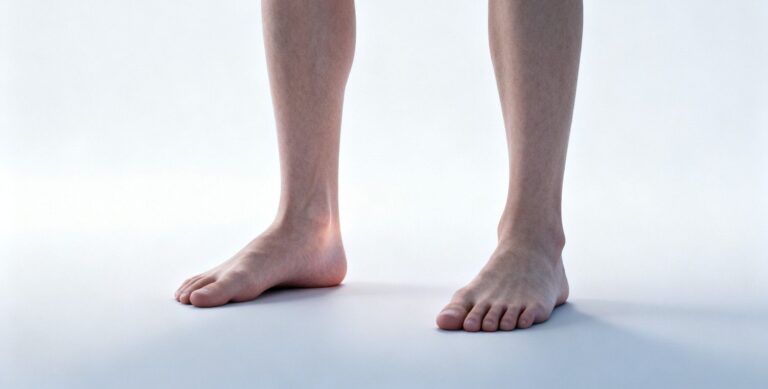
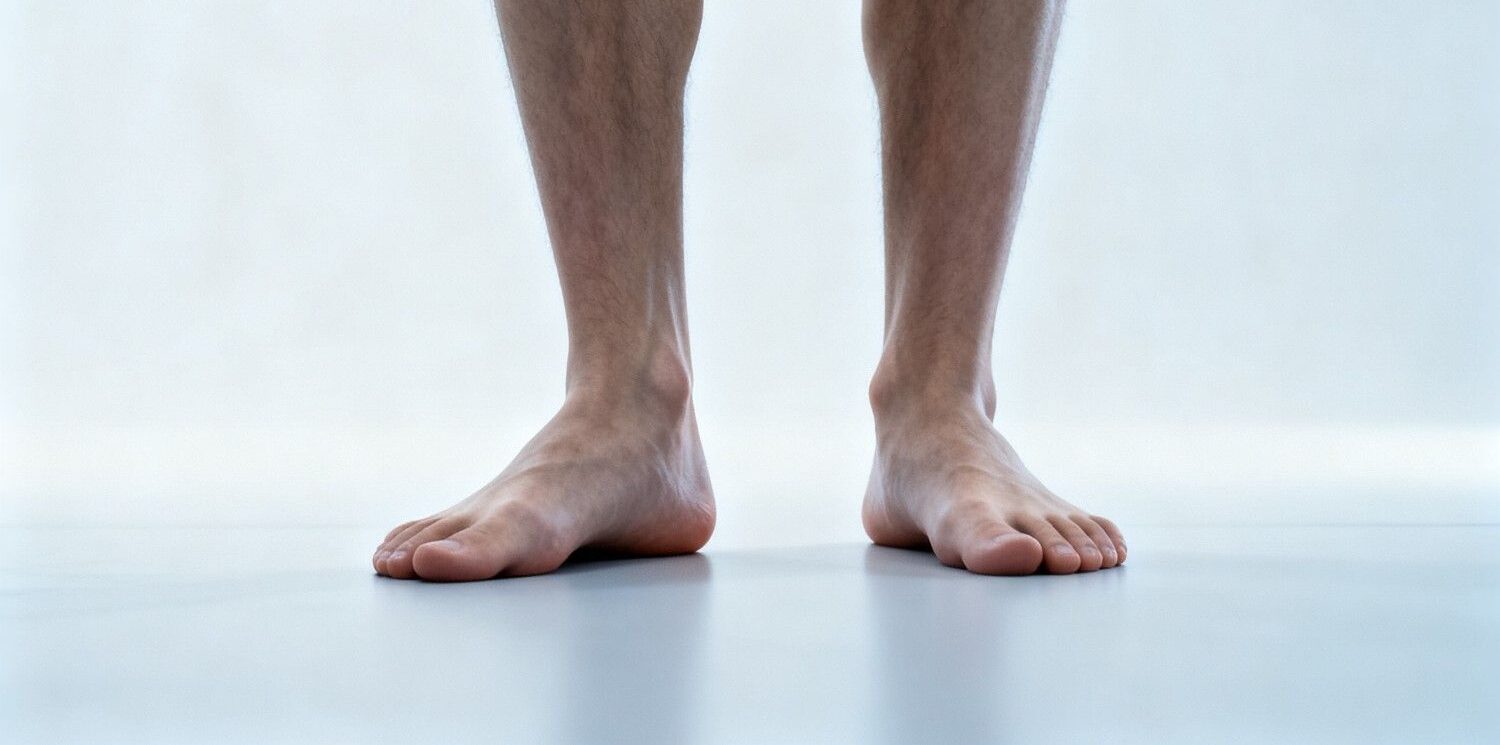
Many people with flat feet notice more than just arch discomfort. Some also feel less stable while walking, standing for long periods, or moving quickly on uneven surfaces. Balance problems linked to flat feet can develop gradually, especially when the feet become tired later in the day or when the body starts compensating for poor foot alignment.
The feet play a major role in balance because they help distribute body weight and provide feedback to the muscles and joints during movement. When the arches collapse excessively, the foot may become less stable during walking and standing. This can affect posture, ankle control, and overall coordination over time.
For some people, the issue feels mild, such as occasional wobbling or foot fatigue. Others may notice ankle instability, slower reaction during movement, or discomfort spreading into the knees and hips after long hours on their feet. The severity often depends on how flexible the flat feet are, activity level, footwear support, and overall body mechanics.
Our guide to flat feet covers the causes, symptoms and options in one place.
How Flat Feet Affect Stability
The arch of the foot acts like a support structure that helps absorb impact and maintain alignment during movement. When the arch flattens too much, the foot may roll inward excessively during walking. This inward motion can reduce stability and change how force moves through the legs.
Balance depends on constant communication between the feet, ankles, muscles, and nervous system. If the feet are unstable, the body sometimes has to work harder to maintain proper positioning during standing or movement.
People with flat feet often experience changes in:
- weight distribution
- ankle alignment
- walking mechanics
- pressure control during movement
Over time, this can increase fatigue in the lower legs and make balance feel less natural, especially during long periods of standing or walking on hard surfaces.
Some people also confuse flat feet with overpronation because the conditions are closely related. flat feet vs overpronation explains the difference between arch structure and inward rolling movement during walking.
Why Balance Problems Can Develop
Not everyone with flat feet experiences instability, but certain factors increase the likelihood of balance-related symptoms.
Weak Arch Support During Movement
When the arch lacks support, the foot may become less efficient at controlling movement during walking. Small shifts in alignment can force surrounding muscles to compensate repeatedly throughout the day.
This compensation is not always noticeable at first. Many people only realize something feels off after standing for hours or walking long distances when fatigue starts affecting coordination.
Ankle Instability
Flat feet can place extra stress on the ankles because the foot may collapse inward more during movement. Over time, the ankle muscles may become overworked trying to stabilize the body.
This can create sensations such as:
- wobbling while walking
- difficulty balancing on one foot
- ankle fatigue
- reduced confidence during movement
People who have experienced previous ankle injuries may notice these symptoms more strongly because the supporting structures are already weaker.
Muscle Fatigue and Compensation
The body constantly adjusts posture to maintain balance. When the feet are unstable, muscles in the calves, knees, hips, and lower back may compensate to keep movement controlled.
This is one reason some people with flat feet feel unusually tired after long shifts at work or extended walking sessions. The body is working harder to stabilize itself with every step.
Over time, compensation patterns can also contribute to discomfort higher in the legs. why flat feet cause knee pain explains how foot alignment may affect knee mechanics and joint stress during daily movement.
Signs That Flat Feet May Be Affecting Balance
Balance-related symptoms linked to flat feet are often subtle in the beginning.
Some people first notice:
- increased clumsiness
- ankle weakness
- difficulty standing evenly
- soreness after walking
- instability during exercise
These issues may become more noticeable later in the day when the feet and lower legs are fatigued. Walking on uneven ground, climbing stairs, or standing still for long periods can sometimes make symptoms easier to notice.
In children and younger adults, the body may compensate well for years before symptoms become obvious. In adults, balance problems are more likely to appear gradually with age, weight gain, repetitive strain, or reduced muscle strength.
Factors That Can Make Symptoms Worse
Several real-life factors can increase instability in people with flat feet.
Long Hours Standing on Hard Surfaces
Retail work, warehouse jobs, healthcare work, and other standing-heavy routines place continuous stress on the arches and ankles. Fatigue often builds throughout the day, which may reduce stability and increase discomfort by evening.
Unsupportive Footwear
Shoes with poor structure or overly soft soles sometimes allow the foot to collapse inward more during movement. This can reduce stability and increase strain on the ankles over time.
Weakness and Reduced Mobility
Tight calf muscles, weak ankle stabilizers, and reduced foot strength can all contribute to poor balance control. When flexibility and strength decrease together, the body may struggle to maintain efficient movement patterns.
Understanding what causes flat feet can also help explain why some people develop worsening symptoms over time while others remain relatively stable.
When Balance Problems Become More Serious
Occasional instability does not always mean there is a serious problem. However, persistent balance issues should not be ignored, especially if they interfere with walking, work, or daily activity.
Warning signs may include:
- repeated ankle rolling
- worsening instability
- pain during normal walking
- swelling near the arch or ankle
- frequent loss of balance
In some cases, balance problems may point to worsening tendon dysfunction or progressive changes in foot structure. Persistent symptoms that continue despite supportive footwear or rest may require medical evaluation.
Improving Stability and Reducing Daily Strain
Many people with flat feet can improve balance and stability by reducing stress on the feet and strengthening the muscles that support movement. Small adjustments often make a noticeable difference over time, especially for people who spend long hours standing or walking during the day.
Supportive footwear is one of the most important factors. Shoes with a stable base and moderate arch support can help reduce excessive inward foot motion during walking. Extremely soft shoes may feel comfortable initially, but they sometimes provide less control during long periods of activity.
Exercises that improve ankle strength and foot control may also help. Simple balance-focused movements, calf strengthening, and mobility exercises can improve coordination and reduce fatigue in the lower legs. These changes usually happen gradually rather than immediately.
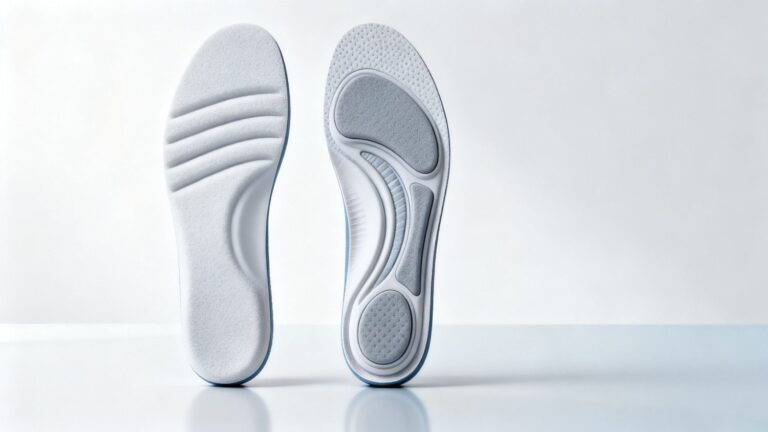
Some people benefit from supportive insoles when standing on hard floors for extended periods. Insoles may help improve pressure distribution and reduce stress on the arches and ankles during daily activity. People who experience fatigue from prolonged standing may also explore insoles for standing all day for additional support during work or walking routines.
When Medical Evaluation May Be Helpful
Balance problems linked to flat feet should be evaluated if symptoms become persistent or interfere with normal movement.
Medical evaluation may be appropriate if there is:
- repeated ankle instability
- frequent tripping or loss of balance
- worsening foot pain
- swelling around the arch or ankle
- significant changes in walking pattern
A healthcare professional may examine foot structure, walking mechanics, and ankle stability to determine whether additional treatment is needed. In some cases, physical therapy or more structured support may be recommended to improve alignment and reduce strain.
Adults who suddenly develop worsening instability or one-sided arch collapse should also seek evaluation, since tendon dysfunction can sometimes progress over time without treatment.
Preventing Balance Problems From Progressing
Flat feet do not always lead to severe instability, but consistent strain on the feet can gradually affect movement quality if support and recovery are ignored.
Preventive habits often include:
- replacing worn shoes regularly
- avoiding unsupportive footwear during long shifts
- maintaining healthy body weight
- improving lower-leg strength and flexibility
- avoiding repetitive overload without recovery
Walking mechanics also matter. Shorter steps, improved posture, and supportive footwear may help reduce unnecessary stress on the feet and ankles during daily movement.
For some people, a moderate amount of structure and support improves stability more effectively than very soft cushioning alone. Soft shoes may absorb impact well, but structured support often provides better control during prolonged standing or walking.
Common Questions
Can flat feet cause dizziness or true balance disorders?
Flat feet usually do not cause dizziness directly. However, unstable foot mechanics can affect posture and coordination, which may create feelings of imbalance or reduced stability during movement.
Why do my ankles feel weak with flat feet?
Flat feet can increase inward foot motion during walking, which places additional strain on the ankle muscles and tendons. Over time, this may lead to fatigue and reduced ankle stability.
Are balance problems from flat feet permanent?
Not always. Many people improve stability with supportive footwear, strengthening exercises, and reduced strain on the feet. The outcome often depends on severity, activity level, and whether symptoms are addressed early.
Can flat feet increase the risk of falls?
They can in some cases, especially when balance issues, ankle weakness, or fatigue become more pronounced. The risk may be higher in older adults or people with previous ankle injuries.
Do supportive insoles help with stability?
Supportive insoles may help reduce excessive foot motion and improve pressure distribution during walking. While they do not permanently change foot structure, they can improve comfort and control for some people.
Conclusion
Flat feet can affect balance by changing the way the feet absorb pressure and stabilize the body during movement. For some people, the effects remain mild, while others gradually notice ankle instability, fatigue, or reduced coordination during standing and walking.
Supportive footwear, improved strength, and reduced daily strain often help manage symptoms before they become more disruptive. Paying attention to early warning signs and changes in movement can make it easier to maintain comfort, stability, and confidence during daily activity.