What Causes Overpronation? (And Why It Progresses)
If you’ve ever noticed your feet rolling inward when you walk, or your shoes wearing down unevenly on one side, you might be dealing with overpronation. For many people, it starts as something subtle—no pain, no clear problem—just a slight change in how the foot moves. But over time, that small shift can begin to affect comfort, balance, and even how the rest of the body feels during daily activities.
Overpronation isn’t always something that needs to be “fixed,” but understanding why it happens is important. When you know what’s driving the movement, it becomes much easier to manage it and prevent it from getting worse.
What Is Overpronation?
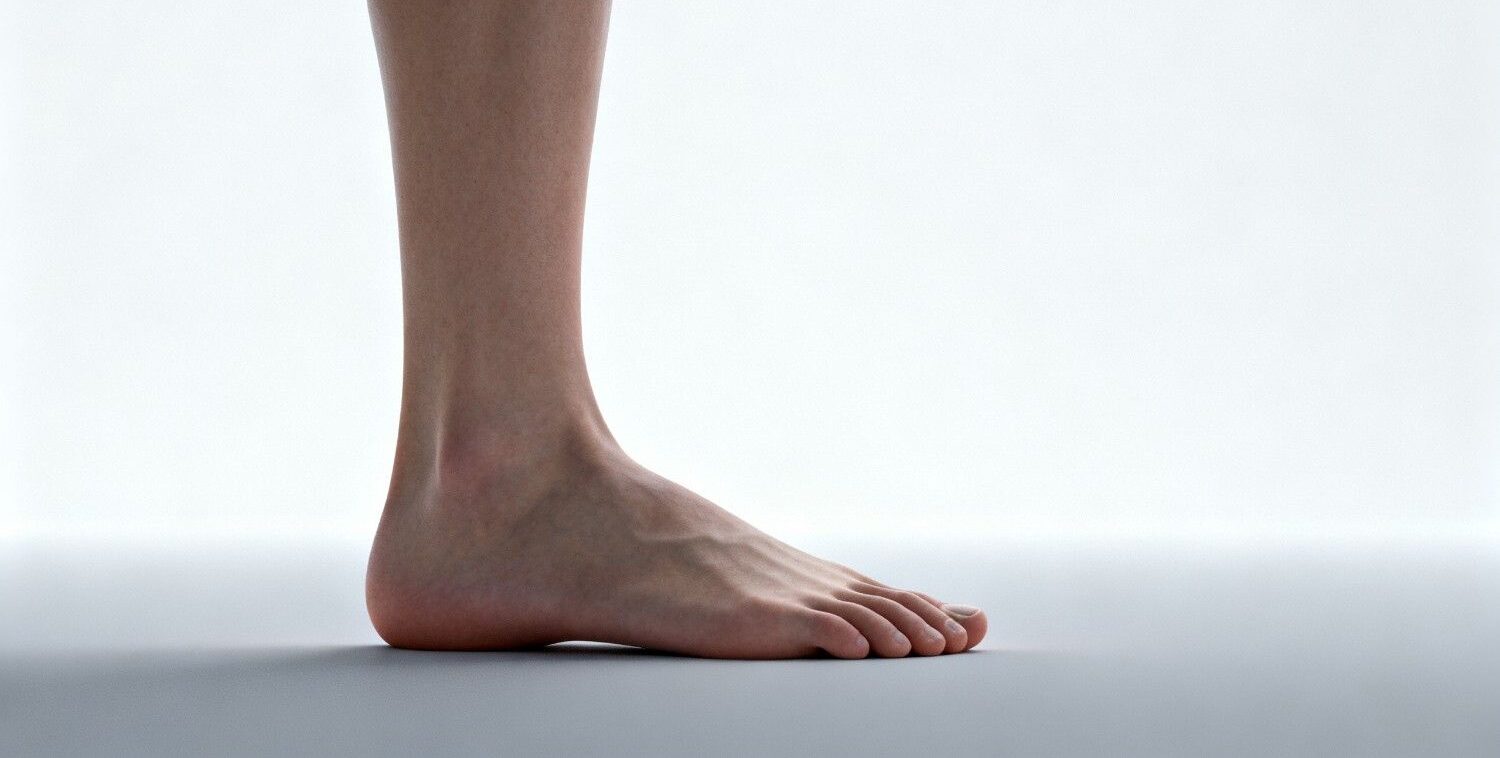
Overpronation refers to the way your foot rolls inward during walking or standing. A small amount of inward movement is completely normal—it helps absorb impact and adapt to the ground. The issue arises when that movement becomes excessive or prolonged.
Instead of the arch lifting and stabilizing after contact, the foot continues to collapse inward. This can reduce the foot’s ability to distribute pressure evenly and maintain alignment. Over time, that change in movement can influence how the ankle, knee, and even hips function during everyday motion.
If insoles are your next step, see our guide to the best insoles for overpronation.
It’s also important to understand that overpronation is not exactly the same as having flat feet. While the two are related, one describes structure and the other describes movement. If you want a clearer breakdown of how they differ, see flat feet vs overpronation.
What Causes Overpronation?
There isn’t a single cause behind overpronation. In most cases, it develops from a combination of structural tendencies and functional changes over time.
One of the main contributors is muscle weakness. The small muscles in the foot and the larger muscles in the lower leg work together to support the arch and control motion. When these muscles aren’t strong enough or don’t activate properly, the foot may not stabilize as it should.
Tendon function also plays a key role. The posterior tibial tendon helps hold up the arch and guide movement. If this tendon becomes strained or less effective, the arch can collapse more easily under pressure.
Ligament flexibility is another factor. Some people naturally have more flexible connective tissue, which allows for greater movement but less stability. This can make it easier for the foot to roll inward excessively, especially during weight-bearing activities.
Repetitive stress adds to the problem. Standing for long hours, walking on hard surfaces, or engaging in high-impact activities can gradually reinforce this movement pattern. Over time, the foot adapts to that repeated stress, making the inward motion more consistent.
In many cases, structural foot shape also contributes. Conditions that affect arch formation can make overpronation more likely. If you want a deeper look into those structural influences, see what causes flat feet.
Risk Factors That Increase It
Even when the underlying causes are present, certain everyday habits and conditions can increase how noticeable or persistent overpronation becomes.
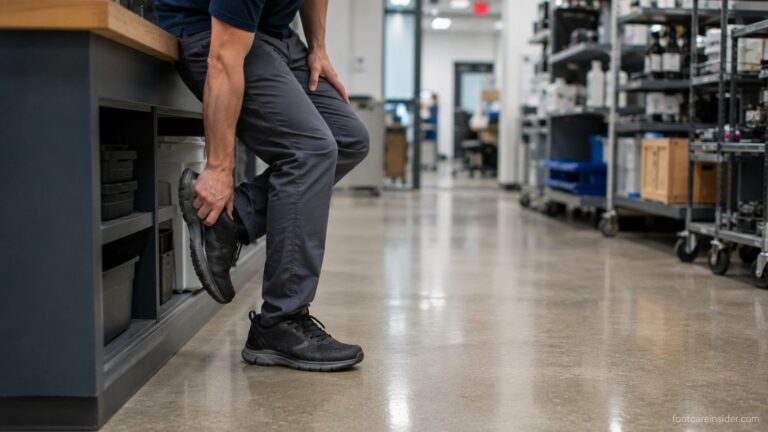
Long periods of standing are one of the most common contributors. When your feet are under constant load, especially on hard surfaces, the muscles that support the arch can fatigue. As they tire, the foot may begin to collapse inward more easily.
Activity type also matters. High-impact activities like running or fast-paced walking place repeated stress on the feet. If the foot already lacks stability, this can make the inward rolling motion more pronounced.
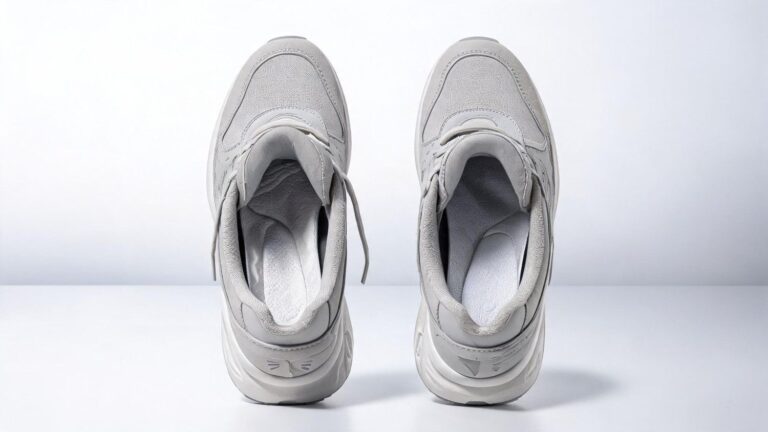
Footwear can either support or worsen the situation. Shoes that lack structure may allow excessive movement, while worn-out soles can reduce stability. Over time, this can reinforce the same movement pattern with every step.
Body weight and daily load also play a role. Increased pressure on the foot can amplify how much the arch flattens during movement, especially if the supporting structures are already under strain.
Early vs Advanced Signs
In the early stages, overpronation often goes unnoticed. You might not feel pain, but there can be subtle signs.
For example, your shoes may start wearing unevenly, particularly along the inner edge. You might notice mild fatigue in your feet after standing or walking for long periods. The arch may appear slightly lower when you stand, but return to normal when not under load.
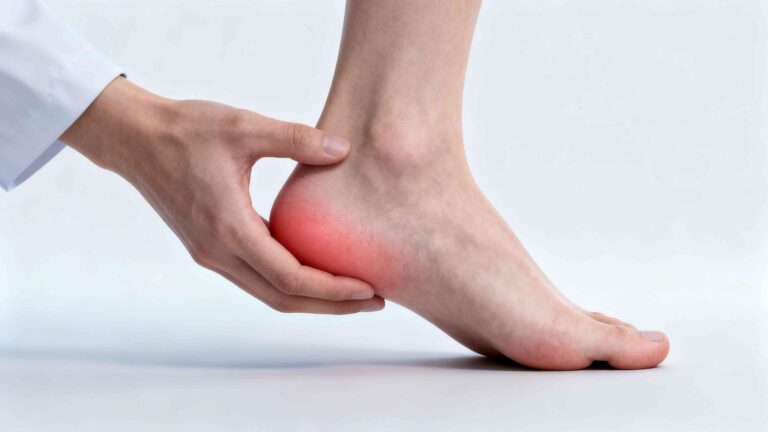
As the condition progresses, the signs tend to become more noticeable. The inward roll of the foot may be more visible, and the arch can appear flatter even during light activity. Some people begin to feel discomfort in the feet or ankles, especially after prolonged use.
The transition from early to more advanced stages is usually gradual. It’s less about a sudden change and more about how consistently the foot struggles to maintain stability over time.
When It Becomes a Problem
Overpronation becomes more significant when it starts affecting how you feel during everyday activities.
If you begin to notice persistent fatigue, reduced stability, or discomfort that doesn’t improve with rest, it may indicate that the foot is no longer managing load efficiently. The body may start to compensate for this imbalance, which can increase strain in other areas.
The progression varies from person to person. Some people live with mild overpronation without any issues, while others experience increasing discomfort over time. Recognizing the signs early can help you take simple steps to manage it before it becomes more limiting.
Managing Overpronation Without Overcomplicating It
For many people, the first step in managing overpronation is not about adding support—it’s about improving how the foot functions. Small changes in daily habits and movement can make a noticeable difference over time.
Strengthening the muscles that support the arch is often helpful. Exercises that focus on foot control, balance, and lower leg strength can improve how the foot handles load. This doesn’t mean intense training—simple, consistent movements done regularly tend to be more effective.
Movement awareness also plays a role. Paying attention to how you stand, walk, or distribute weight throughout the day can reduce unnecessary strain. For example, shifting weight evenly across both feet instead of leaning inward can help limit excessive motion.
Managing overall load is just as important. Long hours on hard surfaces, especially without breaks, can increase fatigue in the foot. Taking short breaks, changing positions, or rotating footwear can help reduce that cumulative stress.
The Role of Insoles (and What They Actually Do)
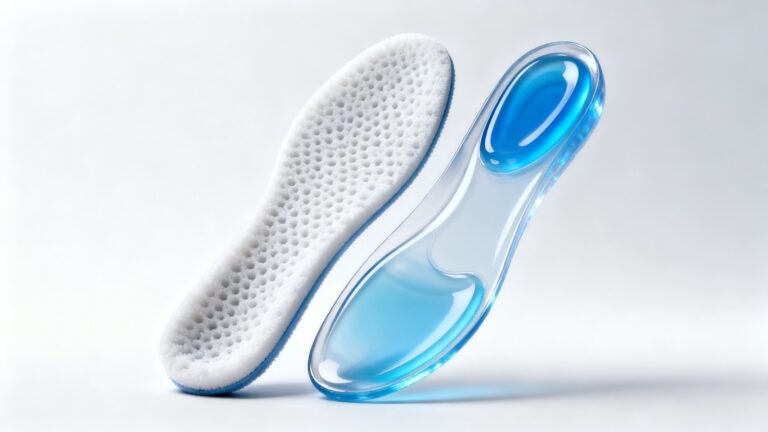
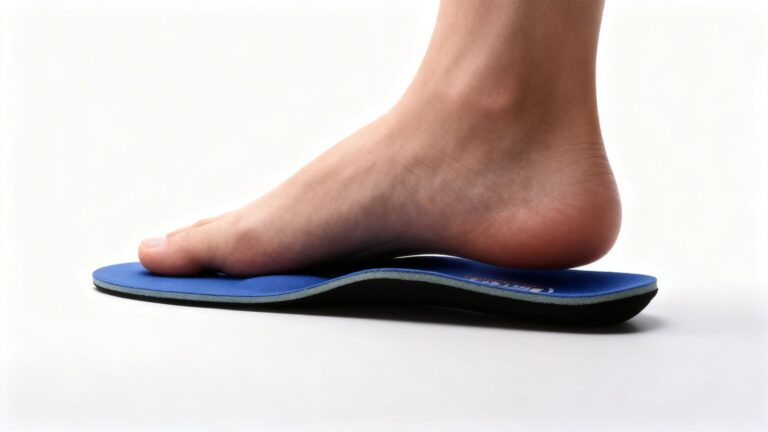
Insoles can be useful, but it’s important to understand what they’re designed for. They don’t “fix” overpronation in the sense of permanently changing foot structure. Instead, they provide support that helps guide movement and reduce strain during daily activity.
For people who spend long hours on their feet, supportive insoles can help distribute pressure more evenly and reduce fatigue. In some cases, this added support makes everyday movement feel more stable and comfortable.
If your routine involves extended standing or walking, you can explore options like insoles for standing all day to understand how different types of support are used in real-life situations.
That said, insoles work best when combined with other approaches like strengthening and load management. They are a support tool—not a complete solution.
When Medical Attention May Be Needed
While many cases of overpronation can be managed with simple adjustments, there are situations where professional evaluation is important.
Persistent pain that doesn’t improve with rest is one of the clearest signs. Swelling around the ankle or arch, or a noticeable loss of stability when walking, may also indicate that the foot is under more strain than it can handle.
In some cases, overpronation can contribute to discomfort beyond the foot. If you’re experiencing ongoing knee discomfort, it may be connected to how your foot moves during each step. For more context on this connection, see why flat feet cause knee pain.
A healthcare professional can help assess movement patterns and recommend appropriate support or treatment if needed.
Preventing Progression
Preventing overpronation from worsening is often about consistency rather than major changes.
Wearing supportive, well-fitting footwear can help maintain alignment during daily activities. Rotating shoes instead of wearing the same pair every day can also reduce repetitive stress.
Staying active in a balanced way is important. Regular movement helps maintain strength and flexibility, but it’s equally important to avoid overloading the feet without recovery.
Simple habits—like avoiding worn-out shoes, paying attention to posture, and giving your feet time to recover—can all contribute to better long-term comfort.
A Simple Way to Look at It
Exercises help improve how your foot functions, while insoles help support that function during daily activity.
Neither replaces the other—they work best together.
If you are wondering how serious yours is, see mild vs severe overpronation. If your knees are the problem, read overpronation and knee pain.
Common Questions
Why does overpronation happen?
It usually develops from a mix of muscle weakness, tendon strain, and structural tendencies in the foot.
Is overpronation common?
Yes. Many people experience some degree of it, especially when standing or walking for long periods.
How does overpronation affect the body?
It can influence alignment from the feet up through the knees and hips, especially over time.
Can overpronation correct itself over time?
In some cases, especially when it’s mild, improving strength and movement patterns can reduce how noticeable it is. However, structural tendencies don’t usually change completely, so management is often ongoing.
Is overpronation always linked to flat feet?
Not always. While flat feet can contribute to overpronation, some people with normal arches still experience excessive inward movement depending on how their foot functions.
Do supportive shoes make a difference?
Yes, in many cases they can help guide foot movement and reduce strain. The key is choosing footwear that matches your activity level and provides enough stability without restricting natural motion.
Can overpronation lead to other issues?
It can, especially if it affects alignment over time. Changes in foot mechanics can influence how stress is distributed through the legs and joints.
Should I avoid walking or exercise?
No. Staying active is important. The goal is to choose movements that don’t overload the foot and to build strength gradually.
Final Thoughts
Overpronation is less about a single problem and more about how your body handles movement over time.
For some people, it remains mild and manageable. For others, it gradually becomes more noticeable and begins to affect comfort. The key difference often comes down to how well the foot can support and control movement under daily load.
Understanding the causes gives you a clearer starting point. From there, small adjustments—whether through movement, habits, or support—can help reduce strain and improve overall comfort.