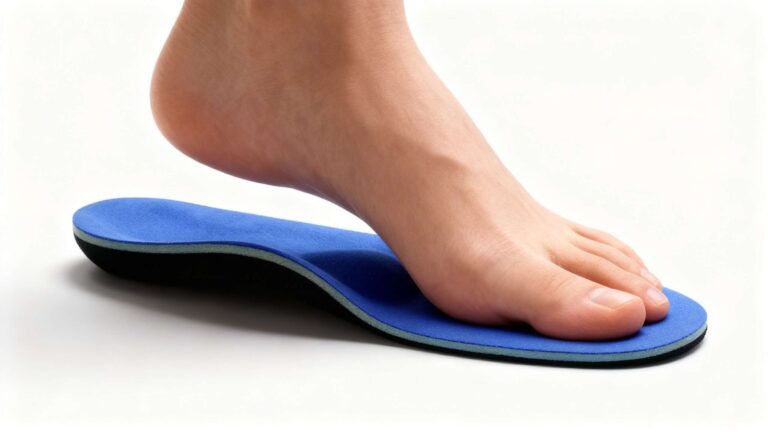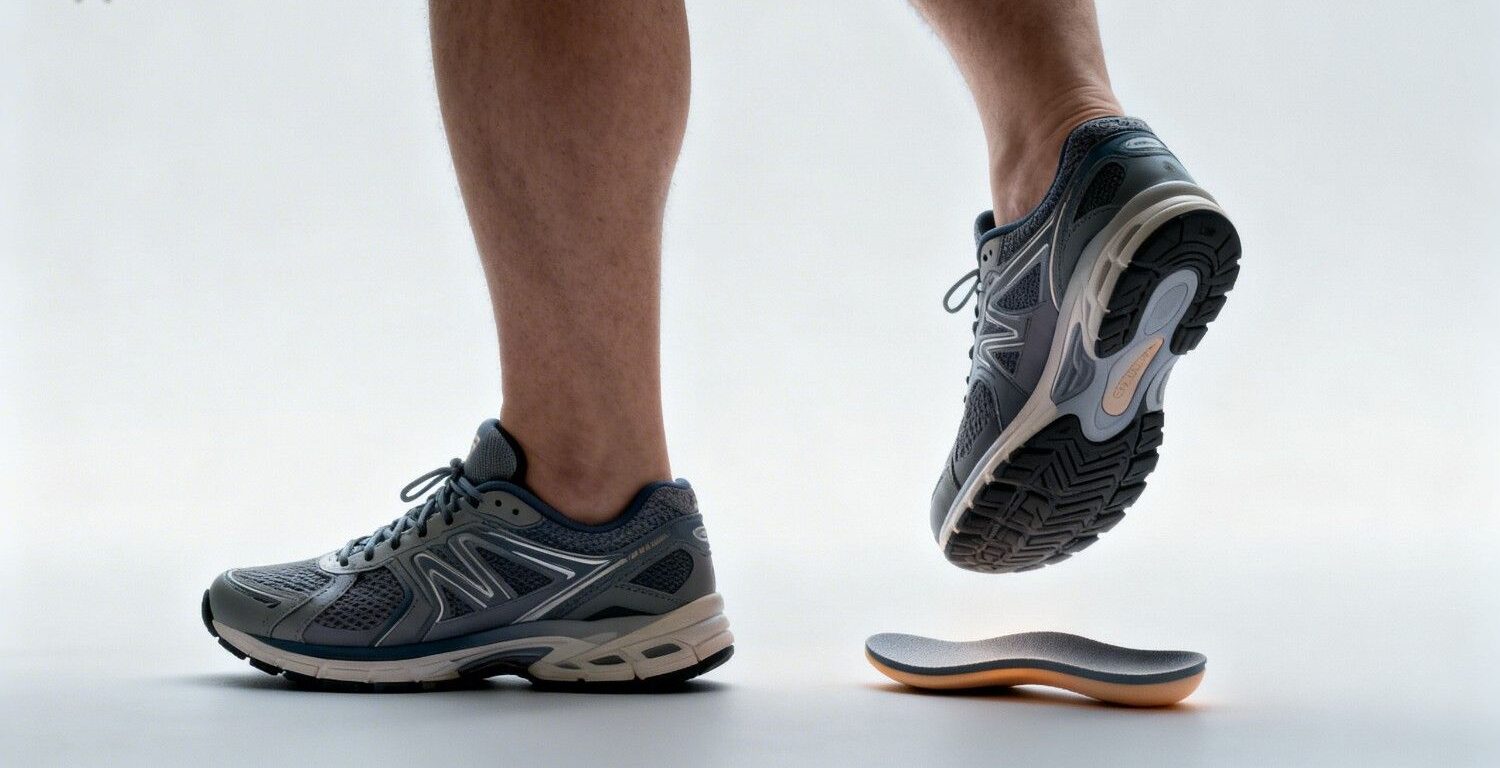
Best Insoles for Flat Feet for Heavy People
Carrying extra weight changes how your feet handle pressure—and if you already have flat feet, that pressure doesn’t distribute the way it should. Instead of being absorbed evenly across the arch, it drops inward, putting strain on the heel, midfoot, and joints above it. What starts as mild discomfort often builds into something harder to ignore: aching arches, sore heels, and fatigue that lingers long after you sit down.
For heavier individuals, this isn’t just about comfort. It’s about structural support. And that’s where most people run into a wall—because not all insoles are designed to handle both flat feet and increased body weight.
Many end up searching for solutions like flat feet heavy people insoles after realizing their current setup simply isn’t holding up.
The Core Problem: Flat Feet + Increased Load
Flat feet already reduce the natural shock absorption of the body. The arch—meant to act like a spring—collapses inward. Now add more weight on top of that, and the strain multiplies.
For a wider look at firm, supportive options at higher body weight, see insoles for heavy people.
Instead of distributing force efficiently, the foot overworks certain areas:
- The heel absorbs more impact than it should
- The midfoot collapses under pressure
- Ankles may roll inward (overpronation)
- Knees and lower back begin to compensate
This combination creates a cycle: more pressure → more collapse → more discomfort.
For flat feet heavy people, the wrong insole doesn’t just fail—it can make things worse by allowing further instability.
Why Standard Insoles Don’t Work
Most insoles on the market are designed for average use. That means moderate walking, average body weight, and neutral foot mechanics. If you fall outside that range, especially with flat feet and higher weight, those insoles tend to break down quickly.
Here’s where they fall short:
1. Insufficient Arch Support
Thin, flexible insoles don’t provide the reinforcement needed to hold the arch in place. Under higher weight, they flatten almost instantly.
2. Rapid Compression
Soft foam might feel good for a few hours—but it compresses fast. Once that happens, it stops offering support entirely.
3. Poor Stability
Standard insoles don’t control inward rolling. For flat feet heavy people, this lack of control leads to poor alignment and joint strain.
4. Short Lifespan
Higher pressure wears materials down faster. What lasts months for others may last weeks for you.
That’s why choosing the right insole isn’t optional—it’s essential.
What Features Actually Matter
Not all features are equally important when it comes to flat feet heavy people insoles. Some are critical for long-term comfort and support, while others are secondary.
1. Strong Arch Support
This is non-negotiable.
You need a firm, structured arch that resists collapse under weight. Soft arches won’t hold up—they’ll flatten just like your foot.
A well-designed arch support redistributes pressure and improves alignment. If you want a deeper breakdown of how arch support works, see best insoles for flat feet.
2. High-Density Cushioning
Cushioning matters—but only if it’s the right kind.
Forget overly soft foam. What you need is high-density cushioning that absorbs shock without compressing too quickly.
Look for materials like:
- Polyurethane (durable and supportive)
- EVA (only if reinforced or layered)
The goal is impact absorption without losing structure.
3. Firmness Balance
Too soft → collapses
Too hard → uncomfortable
For flat feet heavy people, moderate-to-firm insoles tend to work best. They provide stability while still offering some comfort.
Think of it this way: your insole should support your foot, not just cushion it.
4. Durable Materials
Durability isn’t just about longevity—it’s about consistency.
If an insole loses its shape, it loses its function.
Look for:
- Reinforced arch shells
- Multi-layer construction
- Wear-resistant top covers
If you’re unsure how long insoles typically last, see how long do insoles last.
5. Stability Control
Flat feet often come with inward rolling (overpronation). Under heavier weight, that movement becomes more pronounced.
That’s why stability features matter:
- Deep heel cups
- Structured base layers
- Motion control design
For more on foot mechanics, see flat feet vs overpronation.
How to Choose the Right Insoles (Simple Framework)
Finding the right flat feet heavy people insole doesn’t have to be complicated. You just need a clear approach.
Step 1: Start With Support, Not Comfort
Comfort is important—but support comes first. A soft insole that feels good for an hour won’t help long-term.
Step 2: Match Your Weight Load
Not all insoles are built to handle higher pressure. Look for options specifically designed for heavier users or high-impact support.
Step 3: Check Your Shoes
Your insole must fit your footwear.
- Tight shoes → lower profile insoles
- Roomier shoes → more structured support
If it doesn’t fit properly, it won’t function properly.
Step 4: Identify Your Pain Points
Ask yourself:
- Heel pain? → prioritize shock absorption
- Arch fatigue? → stronger arch support
- Instability? → motion control features
Step 5: Avoid Over-Cushioning
More padding isn’t always better. For flat feet heavy people, too much softness leads to faster breakdown and less support.
The Takeaway Before You Buy
The biggest mistake people make is choosing insoles based on comfort alone. But if you have flat feet and carry extra weight, comfort without structure won’t last.
The right insole should:
- Hold its shape under pressure
- Support your arch consistently
- Absorb impact without collapsing
- Fit your shoes without forcing adjustments
Now that the foundation is clear, the next step is choosing the right type of insole for your situation. Not all insoles are built to handle both flat feet and increased body weight—and even among the good ones, each category solves a slightly different problem.
Below are five practical categories that consistently perform well for flat feet heavy people, based on structure, durability, and real-world usability.
1. Heavy-Duty Orthotic Insoles (Maximum Support)
These are the most structured insoles available. Built with reinforced arch shells and firm base layers, they’re designed to hold their shape under higher body weight without collapsing.
Best for:
People with flat feet who need strong correction and all-day support
Pros:
- Excellent arch stability
- Maintains structure under pressure
- Helps improve overall alignment
- Long lifespan compared to softer insoles
Limitations:
- Can feel firm at first
- Requires a short break-in period
- May not fit very tight shoes
Comparison Insight:
Compared to softer options, these focus on control over comfort. For flat feet heavy people, that trade-off is often necessary—because without structure, nothing else holds up.
2. High-Density Cushioning Insoles (Shock Absorption Focus)
These insoles prioritize impact absorption while still offering moderate support. They use dense foam or layered materials that resist flattening better than standard soft inserts.
Best for:
People who experience heel pain or spend long hours walking or standing
Pros:
- Strong shock absorption
- Reduces pressure on heels and joints
- More comfortable for movement-heavy days
Limitations:
- Less corrective support than orthotics
- Can wear down faster under constant load
Comparison Insight:
If heavy-duty orthotics feel too rigid, this category offers a middle ground—especially useful if your main issue is impact rather than alignment.
3. Stability Insoles (Motion Control Focus)
These are designed specifically to control foot movement—especially inward rolling. They combine firm arch support with structured heel cups to keep your foot aligned.
Best for:
Flat feet with noticeable overpronation or instability
Pros:
- Improves foot alignment
- Reduces ankle rolling
- Supports knees and lower body mechanics
Limitations:
- Slightly firmer feel
- Not ideal for very slim shoes
Comparison Insight:
For flat feet heavy people, instability tends to increase with weight. These insoles directly address that issue. If you’re unsure about your foot mechanics, see flat feet vs overpronation.
4. Reinforced Everyday Insoles (Balanced Performance)
This category blends support, cushioning, and flexibility. They’re not as aggressive as orthotics, but more durable than basic insoles.
Best for:
People who need reliable daily comfort without extreme correction
Pros:
- Balanced support and cushioning
- Comfortable for mixed activity (walking, standing, sitting)
- Easier to adapt to
Limitations:
- Not ideal for severe flat feet
- May lose structure faster under higher weight
Comparison Insight:
If your symptoms are moderate, this is often the most practical entry point. But for flat feet heavy people, make sure the build quality is high—otherwise, they won’t last.
5. Work & Boot Insoles (Maximum Durability)
Designed for physically demanding environments, these insoles are built to handle constant pressure, long hours, and heavier loads.
Best for:
People working on hard surfaces or wearing boots for extended periods
Pros:
- Extremely durable
- Designed for heavy use
- Strong support + shock absorption
Limitations:
- Bulkier design
- Not suitable for dress or tight shoes
Comparison Insight:
These are the toughest option available. For flat feet heavy people in physically demanding jobs, they often outperform standard insoles simply because they’re built for sustained pressure.
FAQ
Do insoles really help flat feet if you’re heavy?
Yes—but only if they’re designed for both support and durability. The right insole redistributes pressure and prevents your arch from collapsing under weight.
Should insoles be firm or soft for heavier individuals?
A balance is best, but leaning toward firm. Soft insoles compress too quickly, while moderate-to-firm options maintain support longer.
How often should I replace insoles?
For flat feet heavy people, insoles may wear out faster—typically every 3–6 months depending on usage. Learn more here: how long do insoles last.
Can insoles fix flat feet permanently?
No. Insoles don’t change foot structure permanently, but they significantly improve comfort and alignment while in use. See do insoles fix flat feet for details.
Are expensive insoles always better?
Not necessarily. What matters most is structure, material quality, and fit—not price alone.
Final Verdict
Choosing the right insole isn’t about picking the softest or most popular option—it’s about matching the insole to your specific needs.
For flat feet heavy people:
- Need maximum support? → Go with heavy-duty orthotics
- Dealing with impact pain? → Choose high-density cushioning
- Struggling with instability? → Use stability insoles
- Want everyday balance? → Try reinforced daily insoles
- Working long hours on hard surfaces? → Pick work-grade insoles
The difference isn’t subtle. When your insole actually supports your weight and foot structure, everything improves—comfort, posture, and how long you can stay on your feet without pain.