How to Choose Insoles Based on Foot Type and Daily Use
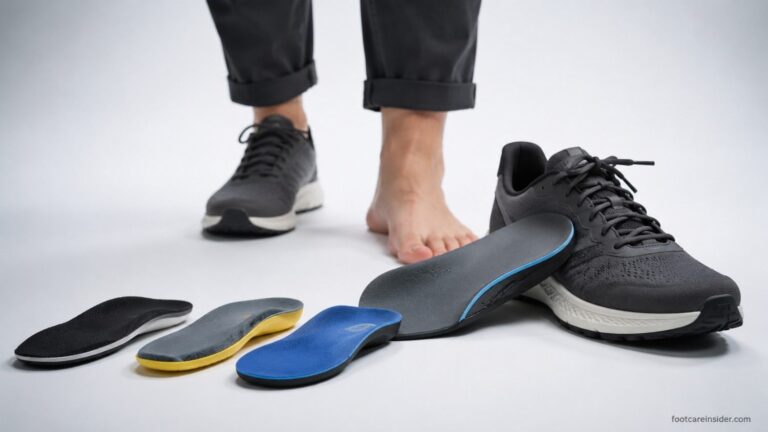
Finding the right insoles can feel surprisingly confusing once you realize how many options exist. Some inserts focus on cushioning, others prioritize arch support, and many claim to solve multiple foot problems at once. The reality is that the best insole depends less on branding and more on how your feet behave during daily movement.
A person standing on concrete floors for 10 hours usually needs something different than someone walking casually for short periods each day. Foot shape also matters. Flat feet, high arches, and neutral arches all distribute pressure differently, which changes how support should feel inside the shoe.
Choosing the wrong type of insole does not always cause immediate pain. Sometimes the problem develops gradually through end-of-day fatigue, knee discomfort, uneven walking mechanics, or increasing soreness over time. Understanding your foot type and daily activity level is often the first step toward finding support that actually feels useful long term.
For the main insole types in plain language, see what type of insoles do I need.
People researching flat feet vs overpronation are often surprised to learn that foot shape and walking mechanics are related but not always identical. That distinction matters when choosing insoles because some products focus more on cushioning while others focus more on controlling movement.
Why Foot Type Changes the Kind of Support You Need
Feet absorb and redistribute force differently depending on arch structure, flexibility, and walking mechanics.
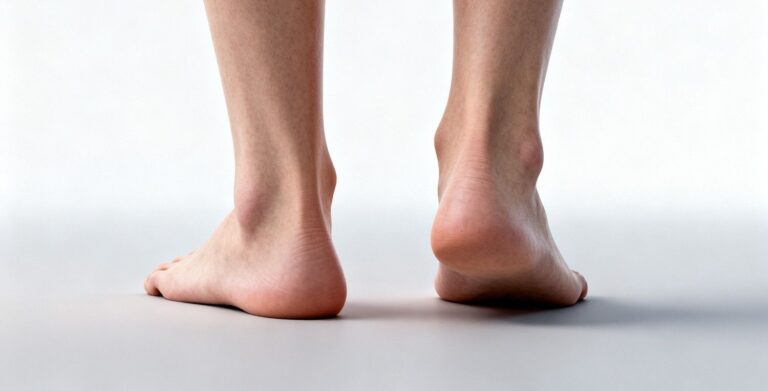
Flat feet usually place more pressure across the inner side of the foot due to reduced arch height. This can increase inward rolling movement during walking and standing, especially during long periods on hard surfaces.
High arches behave differently. Instead of excessive inward collapse, they often create concentrated pressure points because the foot absorbs impact less evenly. People with high arches frequently experience heel pressure or forefoot fatigue rather than arch collapse.
Neutral arches tend to distribute weight more evenly, although support needs still vary depending on activity level and footwear.
This is why one person may feel comfortable with soft cushioning while another needs firmer structural support to reduce instability.
How Daily Activity Affects Insole Choice
Daily movement patterns matter just as much as foot structure.
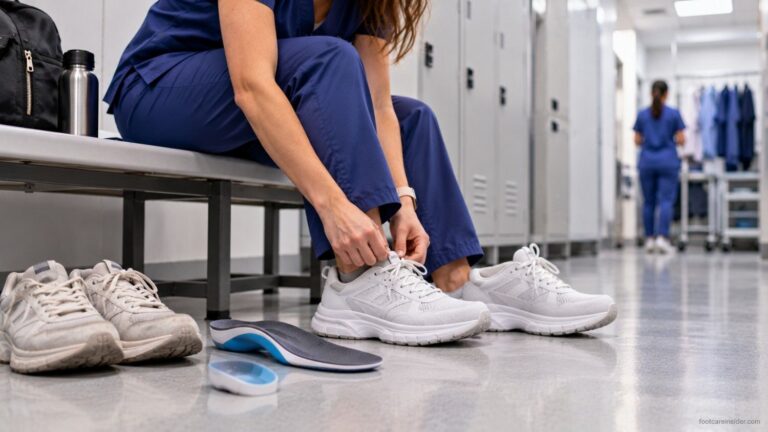
Someone working in healthcare, warehouses, retail, or hospitality may spend eight to twelve hours standing and walking continuously. In these situations, insoles must maintain support consistency under repeated load rather than simply feel soft initially.
Walking-focused routines often benefit from balanced cushioning and moderate stability because the foot repeatedly absorbs impact throughout the day.
Athletic movement changes support needs again. Running, gym activity, and repetitive directional movement place greater stress on:
- arch stability
- heel control
- shock absorption
- pressure distribution
People with flat feet who remain mostly sedentary may tolerate softer cushioning reasonably well, while active individuals often notice instability faster if support collapses during movement.
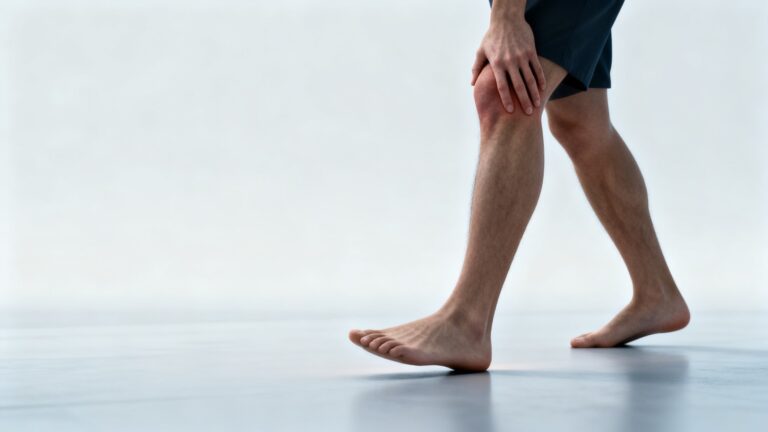
Readers exploring why flat feet cause knee pain often discover that repeated unstable foot mechanics can gradually affect the knees and hips during long walking sessions.
Understanding the Difference Between Cushioning and Support
One of the most common mistakes is assuming that softer always means better.
Cushioning helps reduce surface pressure and improve immediate comfort. Support focuses more on maintaining alignment and controlling movement under body weight.
Some insoles attempt to balance both, while others strongly prioritize one over the other.
Soft foam inserts can feel extremely comfortable during short-term wear, especially for tired feet. However, very soft materials sometimes compress too much during extended standing or heavy walking.
Firmer insoles may initially feel less comfortable but often maintain stability longer throughout the day.
This becomes especially important for:
- flat feet
- overpronation
- long standing shifts
- repeated walking routines
- higher body weight
The ideal choice usually depends on whether the main issue is pressure fatigue or structural instability.
Flat Feet Often Need More Than Basic Cushioning
People with flat feet commonly experience gradual fatigue buildup because the arches collapse more during repeated movement.
This can create:
- arch soreness
- heel discomfort
- ankle strain
- knee stress
- lower back fatigue
The support needs often increase further when standing on hard floors for long periods.
Higher-quality insoles for flat feet typically include:
- firmer arch structure
- heel stabilization
- moderate cushioning
- denser support foam
The goal is not making the shoe feel overly hard. It is maintaining support consistency so the foot does not collapse excessively during movement.
Readers researching best insoles for flat feet are usually looking for this balance between comfort and stability rather than extreme softness alone.
Shoe Type Matters More Than Many People Realize
Even supportive insoles work differently depending on the shoe they are placed inside.
Athletic shoes usually provide:
- deeper heel support
- more internal space
- better shock absorption
Casual shoes and dress shoes often have less room, which can limit how thick or structured an insole can comfortably feel.
Work boots may require denser support because hard surfaces and heavier body load create more repetitive pressure throughout the day.
Worn-out shoes also reduce insole effectiveness. If the midsole has already compressed or the heel structure bends excessively, even premium insoles may struggle to provide stable support.
This is one reason foot discomfort sometimes persists despite replacing inserts repeatedly.
Early Signs That Support May Not Be Working
The body often gives subtle signs before pain becomes severe.
Common early signs include:
- tired feet at the end of the day
- uneven shoe wear
- mild arch soreness
- stiffness after standing
- calf tightness
- occasional knee discomfort
These symptoms may develop slowly enough that people normalize them for months or years.
As support problems progress, symptoms can become more noticeable during:
- longer walking sessions
- standing shifts
- exercise
- repeated stair use
People exploring what causes flat feet often realize that genetics, footwear habits, body weight, and long-term movement patterns can all influence how support needs change over time.
When Insoles Become More Important
Not everyone needs aggressive support immediately.
For mild fatigue or occasional discomfort, moderate cushioning and basic arch support may be enough.
More structured insoles become increasingly helpful when:
- standing hours increase
- walking volume rises
- instability develops
- fatigue spreads into the knees or hips
- softer inserts flatten quickly
Support needs are rarely static. They often change gradually alongside activity level, age, footwear habits, and movement patterns.
That is why choosing insoles based only on softness or price usually creates disappointing results over time.
Matching Insoles to Different Daily Situations
People often focus entirely on foot shape while overlooking how much daily environment changes support needs. A person walking casually for short errands usually places far less repeated stress on the feet than someone standing on concrete floors for an entire shift.
Long standing hours typically require:
- stronger cushioning durability
- stable heel support
- pressure distribution across the arch
Walking-focused use often benefits from a balance between flexibility and moderate support because the foot needs to move naturally while still staying stable.
Athletic activity changes things again. Repetitive impact and faster movement can expose instability much faster than casual daily use. Some softer insoles feel comfortable during light activity but compress too quickly during repeated motion.
People researching insoles for standing all day are often trying to solve this exact issue between immediate comfort and long-term support consistency.
Footwear Adjustments Can Improve Support
Insoles work best when paired with shoes that already provide reasonable structure.
Shoes with:
- collapsed midsoles
- weak heel counters
- poor arch shape
- excessive flexibility
can reduce how effective supportive insoles feel during long use.
Sometimes people repeatedly switch inserts without realizing the actual shoe is contributing to the problem. Even high-quality support materials struggle when the surrounding footwear bends excessively or no longer absorbs pressure properly.
Simple adjustments can also help reduce strain:
- rotating shoes regularly
- replacing worn footwear sooner
- avoiding completely flat unsupportive shoes
- choosing shoes with enough depth for proper insole fit
Support works as a full system rather than a single product.
When Medical Evaluation Makes Sense
Foot fatigue alone does not always require medical treatment. However, persistent pain or worsening movement problems deserve more attention.
Evaluation may be helpful when:
- pain continues despite supportive footwear
- swelling develops regularly
- walking mechanics visibly change
- numbness appears
- knee or hip discomfort increases
- normal activity becomes difficult
Some people naturally have flexible flat feet with few symptoms, while others gradually develop more rigid movement limitations over time.
More advanced cases sometimes require:
- physical therapy
- gait evaluation
- custom orthotics
- mobility exercises
- joint stabilization work
The goal is not always correcting foot shape completely. Often it is about reducing repeated stress and improving movement efficiency safely.
Prevention Usually Starts Earlier Than People Think
Many support problems begin gradually long before severe pain appears.
Small signs like:
- tired arches
- uneven shoe wear
- stiffness after standing
- calf tightness
- mild instability
often develop first.
Addressing support earlier may help reduce long-term strain on:
- ankles
- knees
- hips
- lower back
Preventive support does not necessarily mean buying the most expensive insoles available. It usually means choosing support appropriate for body weight, movement patterns, foot shape, and daily load before fatigue progresses into more persistent discomfort.
Even moderate improvements in support consistency can sometimes noticeably reduce end-of-day soreness over time.
Want a faster match by routine instead? See what type of insoles do I need, or follow the step-by-step method in how to choose insoles.
Common Questions
How do I know what foot type I have?
A simple way is to look at arch shape while standing naturally. Flat feet usually show little visible arch contact clearance, while high arches leave more space beneath the middle of the foot. Shoe wear patterns and walking mechanics can also provide clues about how weight distributes during movement.
Should flat feet always use firm insoles?
Not always. Some people with mild flat feet prefer moderate cushioning with light support, especially for shorter activity periods. Firmer support usually becomes more helpful when instability, long standing hours, or repeated fatigue are involved.
Can the wrong insoles make foot pain worse?
Yes. Insoles that are too soft, too rigid, or poorly matched to the foot can increase pressure or alter walking mechanics uncomfortably. This is especially noticeable during long standing or walking sessions.
Do heavier people need different insoles?
Often yes. Increased body weight places more repeated load on support materials, which can cause softer inserts to compress faster. Denser support structures generally maintain stability better under heavier daily pressure.
How often should insoles be replaced?
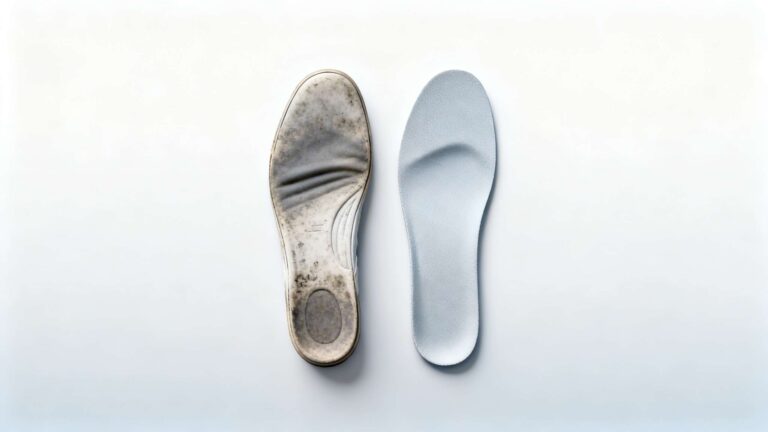
That depends on activity level, material quality, and daily wear. People who stand or walk heavily every day usually wear through support materials faster than occasional users. Flattening, uneven wear, or recurring fatigue often signal replacement time.
Are expensive insoles always better?
No. Higher cost sometimes reflects better materials and durability, but not every premium insole matches every foot type or activity pattern. Proper fit and support behavior matter more than price alone.
Choosing insoles becomes much easier once foot shape, activity level, and daily load are considered together instead of separately. The most effective support is rarely the softest or the most expensive option. It is the one that continues supporting the foot consistently throughout real daily movement.
For some people, moderate cushioning solves occasional fatigue completely. Others need firmer structure to reduce instability during long hours of standing or walking.
Paying attention to how your feet feel after several hours — not just the first few minutes — usually gives the clearest answer about whether support is actually working.