Best Insoles for Mild Flat Feet Support
Mild flat feet often go unnoticed until daily routines start feeling more tiring than usual. Some people notice aching arches after walking longer distances, while others feel soreness in the heels or ankles after standing for several hours. The discomfort is usually manageable at first, but over time, small alignment issues can gradually increase fatigue throughout the feet and legs.
The best insoles mild flat feet support should improve comfort without feeling overly rigid or corrective. People with mild flat feet typically benefit from moderate support that helps stabilize movement while still allowing the feet to move naturally during walking and standing.
Choosing the wrong type of insole can sometimes create more discomfort instead of improving it. Extremely soft inserts may collapse under pressure, while overly aggressive orthotic support can feel uncomfortable for people with only mild symptoms. The goal is usually balanced support rather than maximum correction.
This guide explains how mild flat feet affect daily movement, which support features actually matter, and how to choose beginner-friendly insoles that feel stable without becoming too stiff.
How Mild Flat Feet Affect Daily Movement
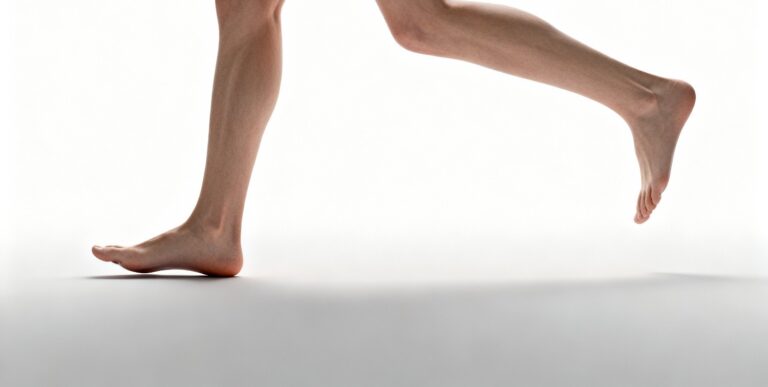
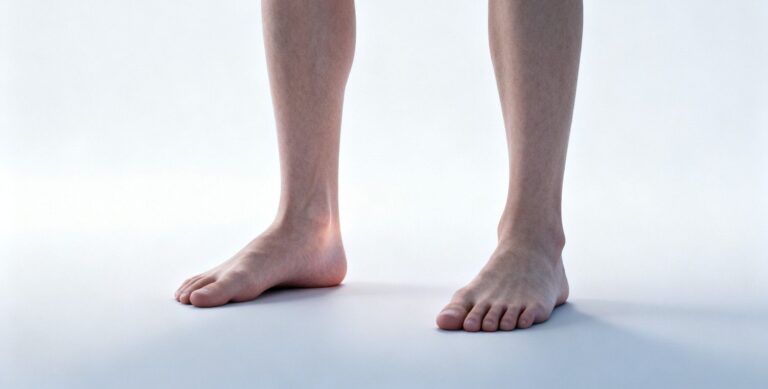
Flat feet happen when the arches lower more than normal during standing or movement. With mild flat feet, the changes in foot structure are often subtle, but they can still influence balance, posture, and pressure distribution over time.
Many people with mild flat feet experience:
- tired feet after standing
- arch soreness
- ankle fatigue
- occasional heel discomfort
- uneven shoe wear
The symptoms often appear gradually rather than suddenly. Long periods on hard flooring or repeated walking usually make the discomfort more noticeable by the end of the day.
Mild flat feet are also commonly linked to overpronation, where the feet roll inward slightly more than normal during movement. Learn more about the differences between flat feet and overpronation and how they affect walking and standing mechanics.
Why Basic Inserts Often Aren’t Enough
Most standard shoe inserts focus mainly on cushioning instead of support. While soft padding may feel comfortable initially, it often does little to improve stability or reduce excess inward movement during walking.
Common problems with basic inserts include:
- flattening under body weight
- poor arch structure
- weak heel support
- fast material breakdown
- lack of movement control
This becomes more noticeable during longer standing periods or repeated walking throughout the day. Soft memory foam may reduce pressure temporarily but often loses shape quickly under regular use.
Some gel inserts improve shock absorption, but firmer EVA materials generally maintain support better for people dealing with mild alignment problems.
Features That Matter Most for Mild Flat Feet
People with mild flat feet usually benefit more from moderate structure than aggressive correction.
Moderate Arch Support
The support should feel noticeable without forcing the foot into an uncomfortable position. Mild flat feet often respond well to gradual support that improves stability while maintaining natural flexibility.
Very firm support is not always necessary for mild symptoms.
Balanced Cushioning
Cushioning still matters because the feet absorb pressure continuously throughout the day.
Soft foam may feel plush initially, but balanced cushioning with moderate firmness usually performs better during long-term use. EVA often provides a more stable combination of comfort and support compared to thin gel padding alone.
Heel Stability
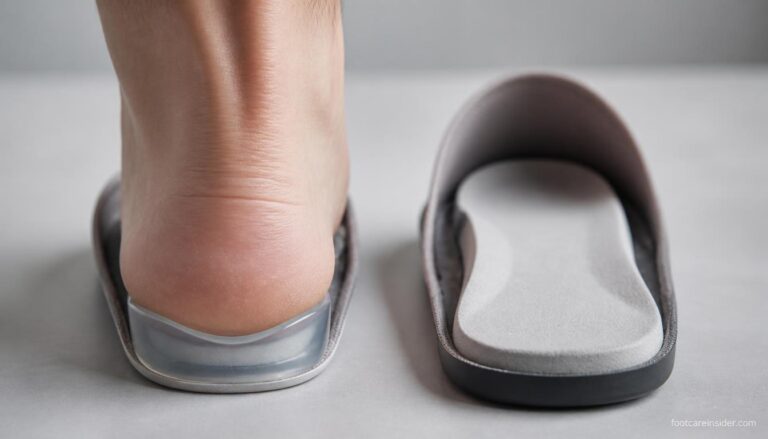
A supportive heel cup can help improve alignment and reduce unnecessary side-to-side movement during walking.
This often becomes more noticeable later in the day as muscle fatigue increases.
Flexible Daily Comfort
People with mild flat feet often prefer support that feels comfortable immediately rather than highly corrective.
The best beginner-friendly support usually combines:
- moderate structure
- light flexibility
- consistent cushioning
- stable movement control
Choosing Support Based on Daily Activity
The right support often depends on how much stress the feet handle throughout the day.
Standing Jobs
People working in retail, healthcare, hospitality, or warehouse settings often notice fatigue faster because hard flooring increases pressure on the arches and joints.
Supportive footwear combined with insoles for standing all day may help reduce soreness during long shifts.
Walking and Everyday Use
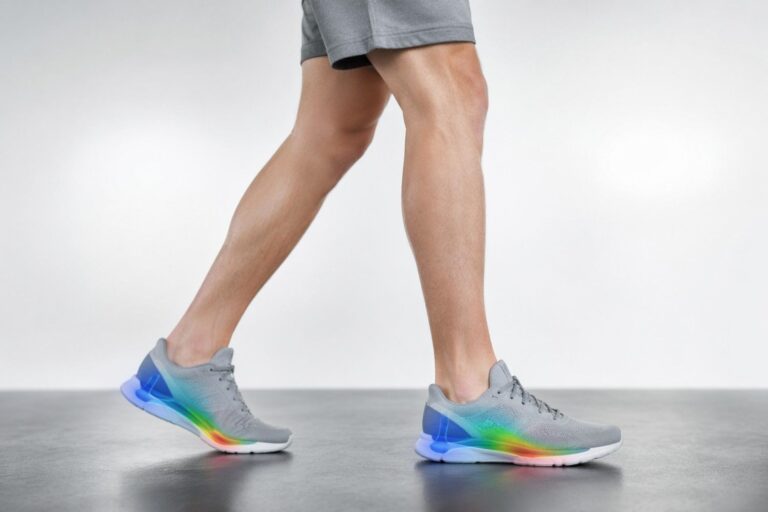
People who walk frequently usually need support that remains comfortable during repeated movement. Overly rigid insoles may feel tiring during longer walking sessions.
Mixed Daily Activity
Some people switch between standing, walking, driving, and sitting throughout the day. In these situations, balanced cushioning and moderate support often feel more natural than highly structured correction.
Matching Insoles to Symptom Severity
Mild flat feet do not always require the same type of support as severe arch collapse or strong overpronation.
Mild Fatigue or Occasional Discomfort
People with minor soreness often benefit from moderate support and improved cushioning before symptoms become more noticeable.
Moderate Daily Fatigue
If discomfort develops regularly during standing or walking, stronger heel stability and more durable support usually become more important.
Progressive Instability
People noticing worsening inward rolling, ankle strain, or increasing discomfort over time may eventually require firmer support and more structured motion control.
For broader comparisons between support categories and arch types, best insoles for flat feet explains how different support styles work for different levels of flat foot severity.
Moderate Support Insoles
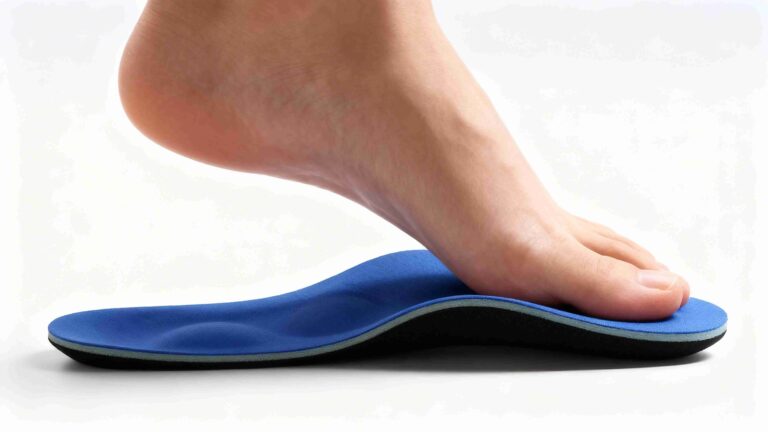
These are usually the best option for people with mild flat feet who want everyday comfort without aggressive correction. Moderate support helps stabilize movement while still allowing the feet to move naturally during walking and standing.
The biggest advantage is comfort balance. These insoles often feel supportive without creating excessive pressure under the arch.
The limitation is that they may not provide enough control for people whose symptoms are progressing toward stronger overpronation or instability.
Compared to rigid orthotic-style designs, moderate support insoles usually feel easier to adapt to during daily use.
Cushioned Stability Insoles
These work well for people who spend long hours on hard surfaces and mainly experience fatigue rather than severe pain.
The cushioning helps reduce repeated pressure while the stability layer improves foot alignment during movement. Many people notice less soreness at the end of the day compared to using standard shoe inserts.
The downside is durability. Softer cushioning materials may compress faster under heavy daily use.
Compared to soft memory foam inserts, cushioned stability designs usually maintain support more consistently over time.
Flexible Arch Support Insoles
These are often a good fit for people who dislike overly rigid support but still want gentle alignment improvement.
Flexible support designs allow more natural foot movement during walking while still providing moderate arch stability. They often feel comfortable immediately for first-time users.
The limitation is reduced motion control. People with worsening inward rolling may eventually need firmer support.
Compared to orthotic-style insoles, flexible support designs prioritize comfort and adaptability over maximum correction.
Gel Comfort Insoles
These are usually best for people whose main issue is pressure fatigue rather than instability. Gel cushioning absorbs impact effectively during standing and casual walking.
Many people prefer the softer feel initially, especially during shorter wear periods.
The drawback is reduced structural support. Gel-heavy inserts often compress too much for people needing better alignment control throughout the day.
Compared to EVA support systems, gel insoles focus more on softness than long-term stability.
Low-Profile Everyday Insoles
These are designed for slimmer shoes, casual sneakers, or everyday footwear with limited interior space.
The biggest advantage is versatility. Low-profile designs are easy to move between different shoes without changing fit dramatically.
The downside is reduced cushioning and less aggressive support compared to thicker support-focused insoles.
Compared to full-size orthotic support, low-profile designs prioritize convenience and lighter daily comfort.
Comparing Comfort and Support Levels
Moderate support insoles usually provide the best balance for mild flat feet because they improve stability without feeling overly corrective. Flexible support models often feel more natural during walking, while cushioned stability designs work better for prolonged standing and hard surfaces.
Orthotic-style support may eventually become necessary for people whose symptoms worsen over time, but many people with mild flat feet do well with balanced daily support instead of aggressive correction.
If you already notice strong inward rolling or ongoing discomfort, a firmer orthotic-style insole can control movement and stabilize the arch more than a softer one. The tradeoff is comfort: very firm support can feel uncomfortable during the first few days or weeks, so build up wear time gradually.
Durability also matters during daily wear. EVA and polyurethane materials usually maintain structure longer than thin foam or soft gel-only inserts.
Common Questions
Do mild flat feet always need insoles?
Not always, but supportive insoles can help reduce fatigue and improve comfort during standing and walking. Some people use support early to prevent symptoms from gradually worsening over time.
Are soft insoles better for mild flat feet?
Extremely soft insoles may feel comfortable initially but often provide less stability during daily movement. Moderate support usually works better for long-term comfort and alignment.
Can mild flat feet become worse over time?
They can, especially with repetitive strain, poor footwear, or long periods on hard surfaces. Early support may help reduce stress on the feet and lower body during daily activity.
How long should I wear supportive insoles each day?
Many people start with a few hours daily and gradually increase wear time. This helps the feet adjust more comfortably to the added support.
Do I need custom orthotics for mild flat feet?
Most people with mild symptoms do not require custom orthotics immediately. Many over-the-counter support insoles work well for mild fatigue and everyday discomfort.
How do I know if I need insoles for flat feet?
Many people first notice fatigue, arch soreness, or instability during standing and walking. If discomfort appears regularly, supportive insoles may help improve comfort and reduce strain during daily activity.
Should I choose soft or firm insoles when starting out?
Most people new to insoles do better with moderate support rather than extremely soft or very rigid designs. Balanced support often feels more comfortable during the adjustment phase.
How long does it take to get used to supportive insoles?
Some people adjust within a few days, while others need one to two weeks. Gradually increasing wear time often helps the feet adapt more comfortably.
Clear Verdict
The best insoles for mild flat feet support usually combine moderate arch support, stable cushioning, and comfortable daily wear without feeling overly rigid. People dealing mainly with fatigue often benefit from balanced support designs, while stronger instability may require firmer structure over time.
Standing-heavy routines typically need better cushioning and durability, while mixed daily activity often feels more comfortable with flexible support and moderate stability. Choosing support based on daily movement and symptom severity usually leads to better long-term comfort than focusing only on softness.