Best Compression Boots for Recovery (2026): Buying Guide
When Sore, Heavy Legs Become Part of the Routine
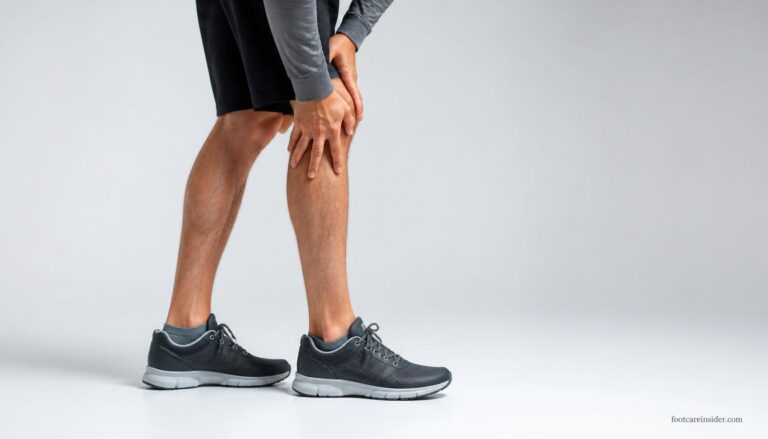
You finish a hard workout and your calves still feel heavy. The next day, the soreness is there again, especially when training sessions are close together. For someone who runs, cycles, lifts, or simply exercises several times a week, that lingering fatigue can become part of the routine rather than something that disappears after a night’s sleep. Long workdays and travel can create a similar heavy-leg feeling, even without strenuous exercise. Whether the cause is training or just time on your feet, the right compression boots for legs can turn that recurring heaviness into something you actually recover from overnight.
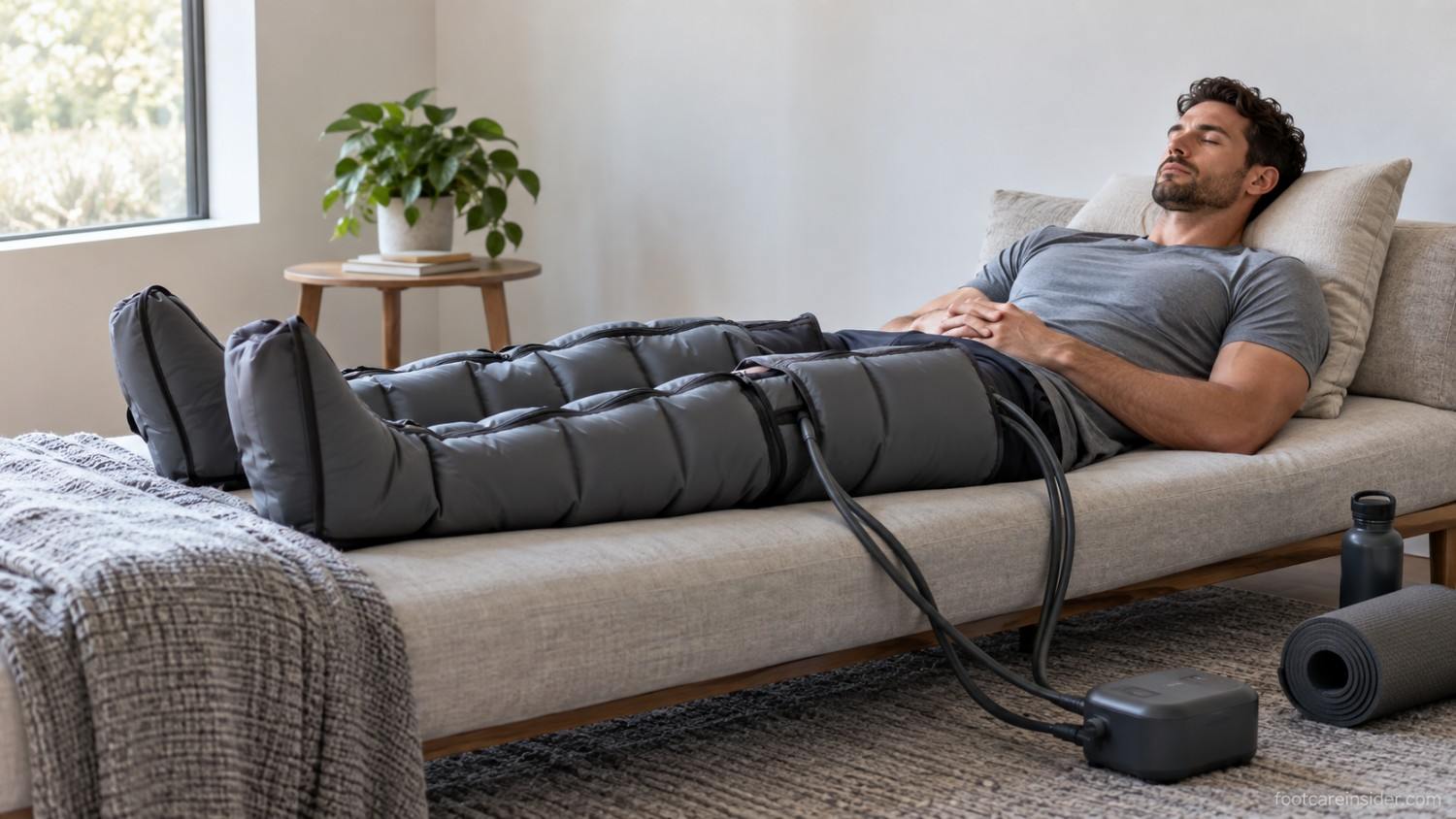
That is where compression boots become interesting. Instead of a basic vibrating leg massager, they use inflatable chambers around the lower leg and thigh to create controlled compression during a timed session. But the best compression boots for recovery are not simply the ones with the highest price or longest feature list. The useful choice depends on how often you recover, what your legs feel like afterward, how much control you want, and what you are comfortable spending.
Quick Comparison
| Product | Price | Best For | Zones | Power |
|---|---|---|---|---|
| Hyperice Normatec 3 Legs | $899 | Frequent training, most refined control | 5 zones | Corded control unit |
| QUINEAR Leg Recovery System | $359.99 | Regular use, strong value | 4 chambers | Corded |
| CINCOM Leg Massager with Heat | $199.99 | Occasional use, adds warmth | Adjustable | Corded |
(Check latest price for current availability — pricing and stock shift often in this category.)
What Should You Look For in Compression Boots?
The goal is to match the compression system to your actual recovery routine rather than buying features you will rarely use. Compression recovery boots range from simple single-zone designs to fully app-controlled systems, so it helps to start with four practical questions: how often you train or spend long periods on your feet, whether your main issue is soreness or general heaviness, how much pressure control you want, and whether the boots will stay at home or need to travel with you.
Frequent users generally have more reason to value multiple compression zones, adjustable pressure, durable construction, and convenient controls. Someone using boots once or twice a week may care more about straightforward operation and price.
The same applies to portability. A corded system can be perfectly practical when recovery happens beside the sofa after training, while a frequent traveler may place much more value on a compact setup or battery-powered operation.
Why Your Legs Can Feel So Heavy After Activity
The recovery pattern behind this search is usually repeated loading rather than one isolated event. A demanding workout can leave muscles sore or stiff as delayed-onset muscle soreness develops. When another training session follows before you feel fully recovered, the legs may continue to feel tired even though you are otherwise functioning normally.
There is also a less athletic version of the same problem. Someone who spends most of a workday walking or standing can finish the day with calves and thighs that feel heavy simply from accumulated activity. Sitting for long periods during travel creates a different situation, with very little leg movement for hours.
Compression boots are therefore most relevant when you want a dedicated recovery routine for recurring soreness, fatigue, or heaviness. They are not a substitute for rest, sensible training progression, or medical evaluation when swelling or other symptoms are unusual or persistent.
Readers who want to understand the evidence behind these devices before buying can also read Do Compression Boots Actually Work?
Why Basic Leg Massagers May Not Give You the Same Experience
A simple leg massager may vibrate, knead, or squeeze the legs, but that is different from sequential pneumatic compression. Dedicated compression boots inflate sections of the boot in a controlled pattern, allowing the user to choose from different pressure levels or compression zones depending on the system.
That difference matters most when recovery is frequent. A single-mode massager can be perfectly adequate for someone who mainly wants occasional relaxation, but it may feel limited when you want a repeatable routine and more control over how the lower leg and thigh are compressed.
Fit can be another weak point with cheaper devices. Compression boots need to sit securely around the leg without becoming uncomfortably tight, and generic sizing can be frustrating when leg length or thigh circumference falls outside the typical range. There is also the question of durability and convenience — a device used after nearly every workout needs to be easy to put on, simple to operate, and robust enough that setup does not become another chore.
Which Compression Direction Fits Your Routine?
For frequent training, lean toward a premium multi-zone system when precise pressure control, repeated use, and a more refined recovery experience matter more than keeping the initial cost low. More customization becomes useful when recovery is a regular part of your weekly schedule.
For someone who trains consistently but does not need every premium feature, a strong mid-range compression system is usually the practical middle ground. It can provide adjustable pneumatic compression without requiring the highest investment.
A simpler budget option makes more sense when you are trying compression for the first time, use it occasionally, or mainly want a home recovery routine without advanced controls. You may give up some refinement, but that may not matter for light use.
One more thing worth knowing going in: none of the picks below are wireless — all three connect to a corded control unit, which is standard for this category at these price points. If a fully wireless, battery-powered design is a hard requirement for you, that’s worth confirming before you buy. If warmth is one of your main priorities instead, a heat-inclusive leg massager can make sense for general comfort, although heat and true sequential pneumatic compression serve different purposes.
The right path is therefore less about finding one universal winner and more about matching compression control, usage frequency, fit, and price to the way your recovery actually happens.
Best for Daily Training and the Most Refined Recovery Control
For frequent training, back-to-back sessions, or higher weekly mileage, the Hyperice Normatec 3 Legs is the most feature-rich option of the three. Its five compression zones and app control give frequent users more control over pressure and session setup. Full sizing details are in our Normatec Boots: Benefits, How They Work, and Are They Worth It guide. The drawback is the roughly $899 price and longer fit for shorter users, so sizing deserves attention.If you’re weighing it against Therabody or Sharper Image specifically, our Normatec vs Therabody vs Sharper Image comparison breaks down price and features side by side.
Best for Regular Use Without Paying Premium-System Prices
For someone training consistently but wanting to keep the investment below the premium tier, the QUINEAR Leg Recovery System offers adjustable compression at about $359.99. It has fewer zones and less customization than the Normatec, but that may be perfectly reasonable for routine home recovery. The tradeoff is a simpler feature set rather than a lack of useful compression control.
Best for Occasional Recovery When Heat Also Matters
For occasional post-workout use or general end-of-day leg comfort, the CINCOM Leg Massager with Heat provides the lowest-cost entry at about $199.99 and adds warmth alongside compression. It is better viewed as a leg-massager hybrid than a dedicated high-end pneumatic recovery system, so it makes less sense for serious daily training where zone control and compression refinement matter more.
How to Use Compression Boots
Put on the leg sleeves and zip them up snugly, then connect them to the control unit and select a pressure level and session length — most systems offer preset lengths in the 15 to 30 minute range. Sit or recline for the session rather than trying to move around, since the compression works best when your legs are relaxed. Right after a hard workout or a long day on your feet is the most common time to use them, though some people also use a session before training to help with warm-up circulation.
Who Should Check With a Doctor First
Compression boots aren’t right for everyone. Skip use without medical clearance if you have a history of deep vein thrombosis (DVT), peripheral vascular disease, active leg infections or open wounds, or severe neuropathy with undiagnosed vascular issues — and check with a doctor first if you’re pregnant with a history of vascular conditions. Persistent or asymmetric leg swelling should be evaluated by a doctor rather than addressed with a compression device at home.
FAQs
Are expensive compression boots worth it for occasional use?
Usually, the extra customization matters more when you use the boots frequently. Occasional users may get enough value from a simpler system without paying for advanced controls.
How important are compression zones?
More zones can provide finer control over how compression is applied along the leg. That tends to matter more for regular users than someone using the boots casually.
Should I choose heat or stronger compression?
Heat and pneumatic compression serve different purposes. If structured compression is the priority, focus on the compression system; choose heat when warmth is an important part of your preferred recovery experience.
How carefully should I check sizing?
Very carefully, especially for a full-leg system. Leg length and thigh measurements can affect both comfort and how securely the boots fit, so manufacturer sizing guidance is more useful than relying only on height.
Which Compression Boots Make the Most Sense?
If you train hard and use recovery boots frequently, the Normatec makes the most sense when customization justifies the higher cost. For regular home use with a tighter budget, QUINEAR is the more practical middle ground. CINCOM fits occasional users who value warmth and lower upfront cost more than advanced pneumatic control.
Do compression boots actually work, or is it mostly marketing?
Yes, within limits — research on intermittent pneumatic compression shows a real, measurable effect on reducing soreness, especially in the 48 hours after exercise. The evidence is weaker for measurable performance gains like strength or power. For the full research breakdown, see our guide on whether compression boots actually work.
How long should a compression boot session last?
Most sessions run 15 to 30 minutes. That range also lines up closely with what’s used in the recovery research, so there’s little benefit to running sessions much longer than that.
Is it safe to use compression boots every day?
For most healthy adults using them for ordinary post-exercise recovery, daily use is generally fine. People with circulation issues, a history of blood clots, or unexplained or asymmetric swelling should check with a doctor before regular use.
What’s the difference between corded and wireless compression boots?
Corded systems connect to a separate control unit by hoses and are the more common, often more affordable setup for recovering at home. Wireless systems build the pump into each boot, trading some bulk and battery life for the ability to move around or travel without being tethered.