Flat Feet Treatment Guide: What Actually Works at Home
Flat feet can feel harmless at first. For some people, it starts as mild foot fatigue after walking longer distances or standing through a work shift. Others notice aching arches, ankle soreness, or knees that feel unusually tired by the end of the day. Over time, those small symptoms can gradually become harder to ignore.
The challenge is that there are countless opinions online about how to “fix” flat feet. Some recommend exercises, others focus entirely on shoes or insoles, while some claim the condition cannot improve at all. In reality, home treatment depends heavily on the severity of the flat feet, the level of discomfort, and how the feet behave during movement.
Many people are not actually trying to create perfect arches. They simply want less fatigue, better stability, and more comfortable walking during daily life. Understanding what contributes to flat feet — and what realistically helps at home — usually leads to better long-term results than chasing quick solutions.
Readers researching what causes flat feet are often surprised to learn that genetics, movement patterns, footwear habits, injuries, and body weight can all influence how flat feet develop or progress over time.
Why Flat Feet Can Become Painful
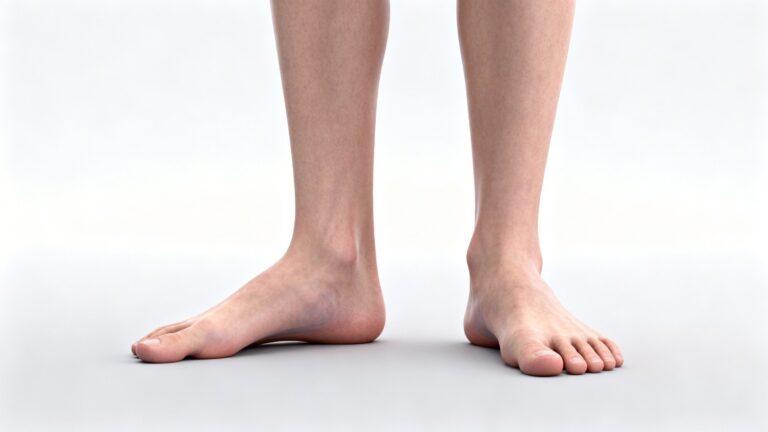
Flat feet reduce the natural arch structure that normally helps distribute force during walking and standing. When the arch collapses more than expected, body weight shifts differently across the foot and lower body.
That increased strain may affect:
- arches
- heels
- ankles
- calves
- knees
- hips
- lower back
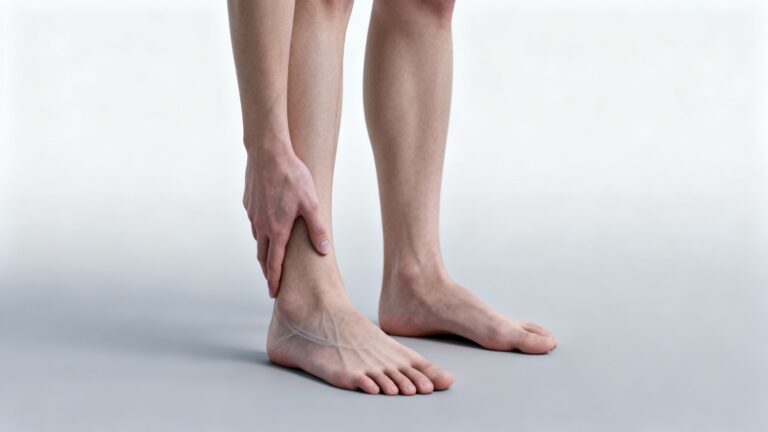
Some people experience no symptoms at all. Others gradually develop discomfort after repeated standing or walking, especially on hard surfaces.
The condition often becomes more noticeable during:
- long work shifts
- exercise
- extended walking
- wearing unsupportive shoes
- carrying extra body weight
People exploring flat feet vs overpronation frequently discover that flat feet and inward rolling movement are related but not always identical. Some flat feet remain relatively stable, while others create excessive inward motion that increases stress throughout the legs.
What Actually Helps Flat Feet at Home
Home treatment usually focuses on reducing repeated strain rather than permanently changing foot structure.
For many people, the biggest improvements come from:
- improving support
- reducing overload
- strengthening surrounding muscles
- managing repetitive stress
- improving movement consistency
Results are often gradual rather than immediate.
Mild flat feet may respond well to simple adjustments, while more severe cases sometimes require longer-term support strategies.
One important thing to understand is that discomfort often builds slowly over time. A person may tolerate unsupported walking for years before symptoms become noticeable. That gradual progression is one reason consistent home management matters more than temporary short-term fixes.
Supportive Footwear Often Makes a Bigger Difference Than Expected
Shoes strongly influence how the feet absorb pressure during daily movement.
Very flat, flexible, or worn-out shoes can increase strain because they provide little structure beneath the arch and heel. Over time, this may worsen fatigue during standing and walking.
More supportive footwear usually helps by:
- stabilizing heel motion
- reducing excessive inward collapse
- distributing pressure more evenly
- improving walking consistency
The goal is not creating an unnaturally rigid foot. It is helping the body manage repeated load more efficiently.
People dealing with persistent fatigue during work shifts often notice meaningful improvement simply by replacing unstable shoes with more supportive options.
Strength and Mobility Matter Too
Support alone does not always solve the entire problem.
The muscles surrounding the feet, ankles, and calves also influence how movement feels during daily activity. Weakness or tightness in these areas can increase fatigue and instability.
Simple home exercises may help improve:
- foot control
- calf flexibility
- ankle stability
- balance
- walking efficiency
These exercises are usually most helpful when performed consistently rather than aggressively.
Calf tightness is especially common in people with flat feet because altered walking mechanics can gradually change how force travels through the lower legs. Mobility work may reduce some of that tension over time.
Standing and Walking Load Often Trigger Symptoms
Flat feet are not always painful during short activity periods. Many people feel relatively normal until the body experiences repeated load over several hours.
This is why symptoms often appear:
- after work
- late in the day
- during vacations with heavy walking
- after exercise
- on hard floors
Repeated pressure gradually increases fatigue across the arches and surrounding joints.
Readers researching why flat feet cause knee pain often realize the knees may compensate for unstable foot movement during long walking sessions. That compensation can slowly create strain higher up the body.
The amount of daily load matters just as much as the foot structure itself. Someone standing 10 hours daily usually needs more support consistency than someone mostly sitting throughout the day.
Insoles Can Help — But They Are Not Magic Fixes
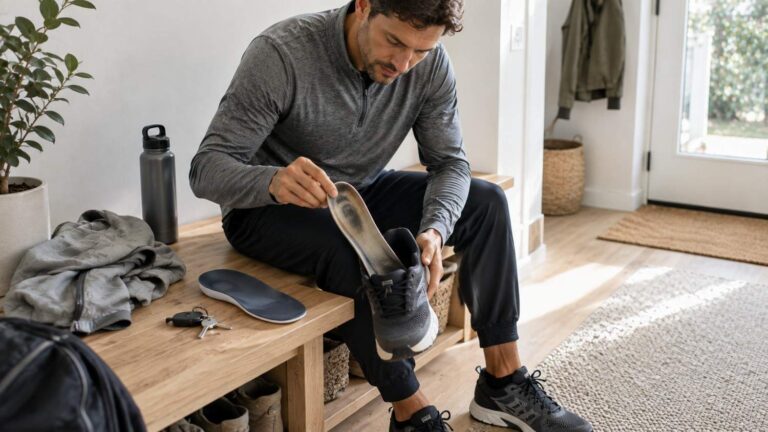
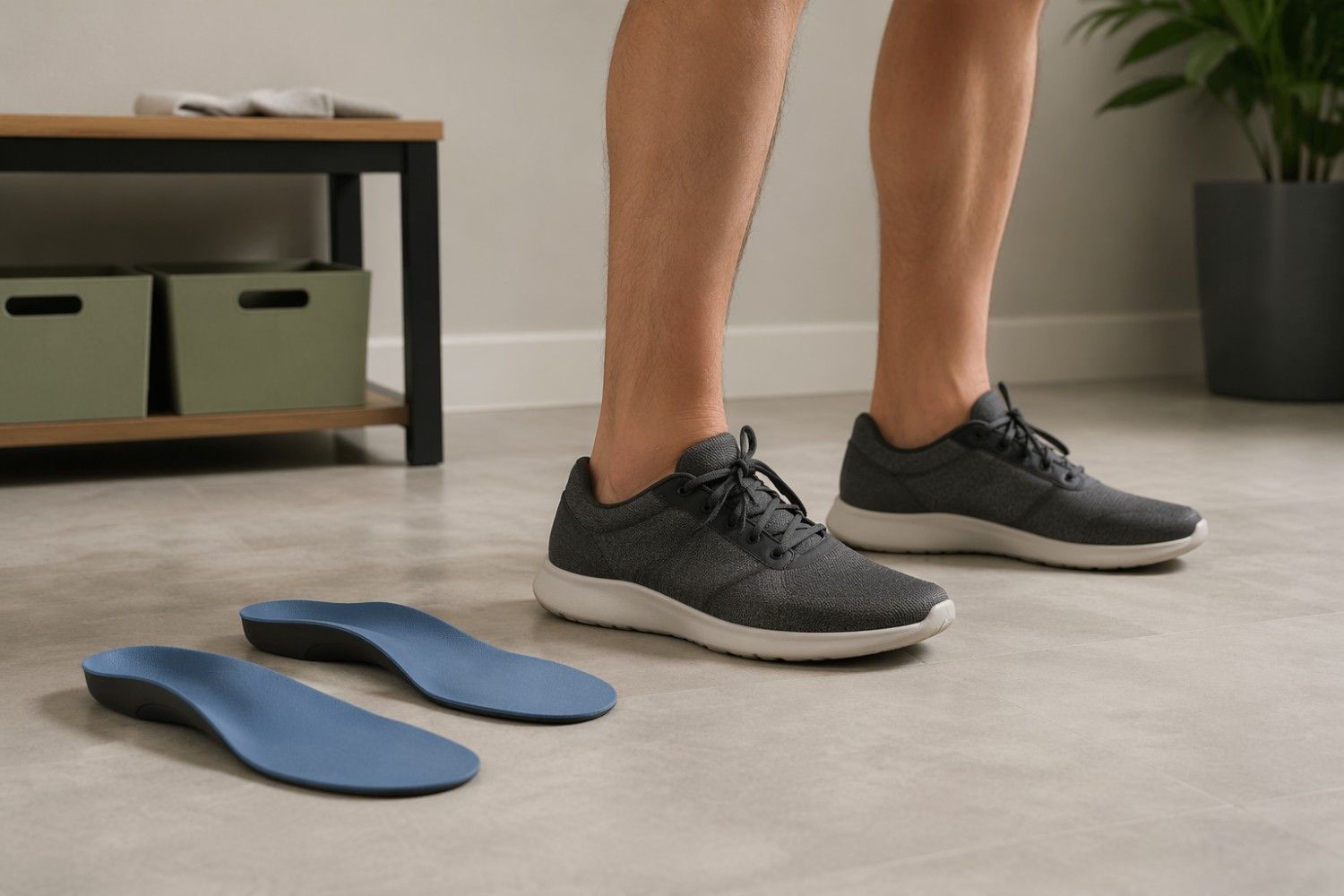
Supportive insoles can reduce strain for many people with flat feet, especially during prolonged standing or walking.
Higher-quality insoles often help by:
- improving arch support
- stabilizing heel movement
- reducing pressure buildup
- improving weight distribution
However, insoles do not permanently “cure” flat feet.
Some people expect immediate dramatic correction, but the real goal is usually:
- less fatigue
- improved comfort
- better movement stability
- reduced strain over time
Readers exploring best insoles for flat feet are often trying to find this balance between comfort and structural support rather than extreme firmness alone.
The effectiveness of insoles also depends heavily on:
- shoe quality
- activity level
- body weight
- foot flexibility
- symptom severity
Early Signs That Flat Feet Need More Attention
Mild fatigue is common occasionally, but certain symptoms suggest support problems may be progressing.
These signs can include:
- worsening arch pain
- swelling
- increasing instability
- pain spreading into knees or hips
- difficulty standing comfortably
- uneven shoe wear
- stiffness after activity
Symptoms that continue worsening despite supportive footwear and home adjustments deserve more careful attention.
In some cases, flat feet remain flexible and manageable for years. In others, the arches become more rigid or painful over time, especially if repeated strain continues without support changes.
Daily Movement Habits Can Reduce Long-Term Strain
Flat feet often respond better to small consistent adjustments than extreme short-term treatment plans.
Helpful habits may include:
- avoiding worn-out shoes
- reducing long standing periods when possible
- rotating supportive footwear
- stretching calves regularly
- avoiding completely unsupportive flat shoes during long activity
Walking mechanics also matter. Some people naturally place more pressure along the inner side of the foot, especially when tired. Fatigue often increases poor movement patterns later in the day, which can gradually increase discomfort across the feet and knees.
Even simple recovery habits like elevating the feet after long standing periods or reducing repeated hard-surface impact can help decrease soreness over time.
Weight Distribution and Body Load Matter
Flat feet often become more symptomatic when repeated body load increases.
This does not necessarily mean someone is overweight. Jobs involving:
- warehouse work
- healthcare shifts
- retail standing
- construction
- long walking routines
can all place heavy repetitive force through the arches and ankles regardless of body size.
The more repeated pressure the feet absorb daily, the more important support consistency becomes. Softer unsupported shoes sometimes feel acceptable briefly but gradually increase fatigue during longer activity periods.
This is one reason symptoms often worsen slowly rather than appearing suddenly.
When Home Treatment May Not Be Enough
Home management works well for many people, especially when symptoms are mild or moderate. However, some cases require professional evaluation.
Medical assessment becomes more important if:
- pain becomes persistent
- swelling increases
- walking changes noticeably
- numbness develops
- arches become rigid
- symptoms interfere with normal activity
Some flat feet remain flexible throughout life, while others gradually become more severe because of tendon strain or structural changes.
More advanced cases may require:
- physical therapy
- gait analysis
- custom orthotics
- imaging evaluation
- targeted rehabilitation
The goal is usually improving function and reducing ongoing stress rather than creating a perfectly shaped arch.
Prevention Is Usually Easier Than Recovery
Many people wait until discomfort becomes severe before changing support habits.
Early signs like:
- tired arches
- calf tightness
- mild instability
- occasional knee soreness
- uneven shoe wear
often appear long before major pain develops.
Addressing support early may reduce how much stress accumulates across the body during repeated movement. Even moderate improvements in footwear and support consistency can make standing and walking noticeably easier over time.
People with flexible flat feet may especially benefit from preventive support because the arches often collapse more during fatigue later in the day.
Common Questions
Can flat feet improve naturally at home?
Mild flat feet sometimes become more manageable with supportive footwear, exercises, and reduced strain. However, most home treatment focuses on improving comfort and movement rather than permanently rebuilding the arch structure itself.
Are exercises enough to treat flat feet?
Exercises can help strengthen surrounding muscles and improve stability, especially when combined with supportive footwear. However, exercises alone may not fully reduce symptoms if standing load or poor support remains unchanged.
Do flat feet always cause pain?
No. Some people have flat feet with very few symptoms throughout life. Pain usually develops when repeated movement, instability, or prolonged standing places more strain on the feet and surrounding joints.
Can flat feet get worse over time?
They can, especially when repetitive strain continues without adequate support. Weight changes, aging, injuries, and long standing routines may gradually increase symptoms or instability.
Are supportive shoes more important than insoles?
Both matter, but shoes create the overall support foundation. Insoles usually work best when placed inside stable footwear with proper heel structure and cushioning support.
When should someone see a doctor for flat feet?
Medical evaluation becomes more important when pain is persistent, walking changes noticeably, swelling develops, or discomfort begins affecting daily activity regularly.
Flat feet treatment at home is usually less about chasing perfect arches and more about reducing the stress that builds through repeated movement over time. Small improvements in support, footwear, mobility, and daily habits often create more meaningful long-term relief than aggressive short-term fixes.
For many people, the goal is simply being able to stand, walk, and move more comfortably without constant fatigue building throughout the day.
Supportive footwear, moderate strengthening work, and realistic movement adjustments can often improve comfort significantly when used consistently. More severe cases may eventually require medical guidance, but many people experience noticeable improvement by focusing on stability, pressure reduction, and daily support habits early.